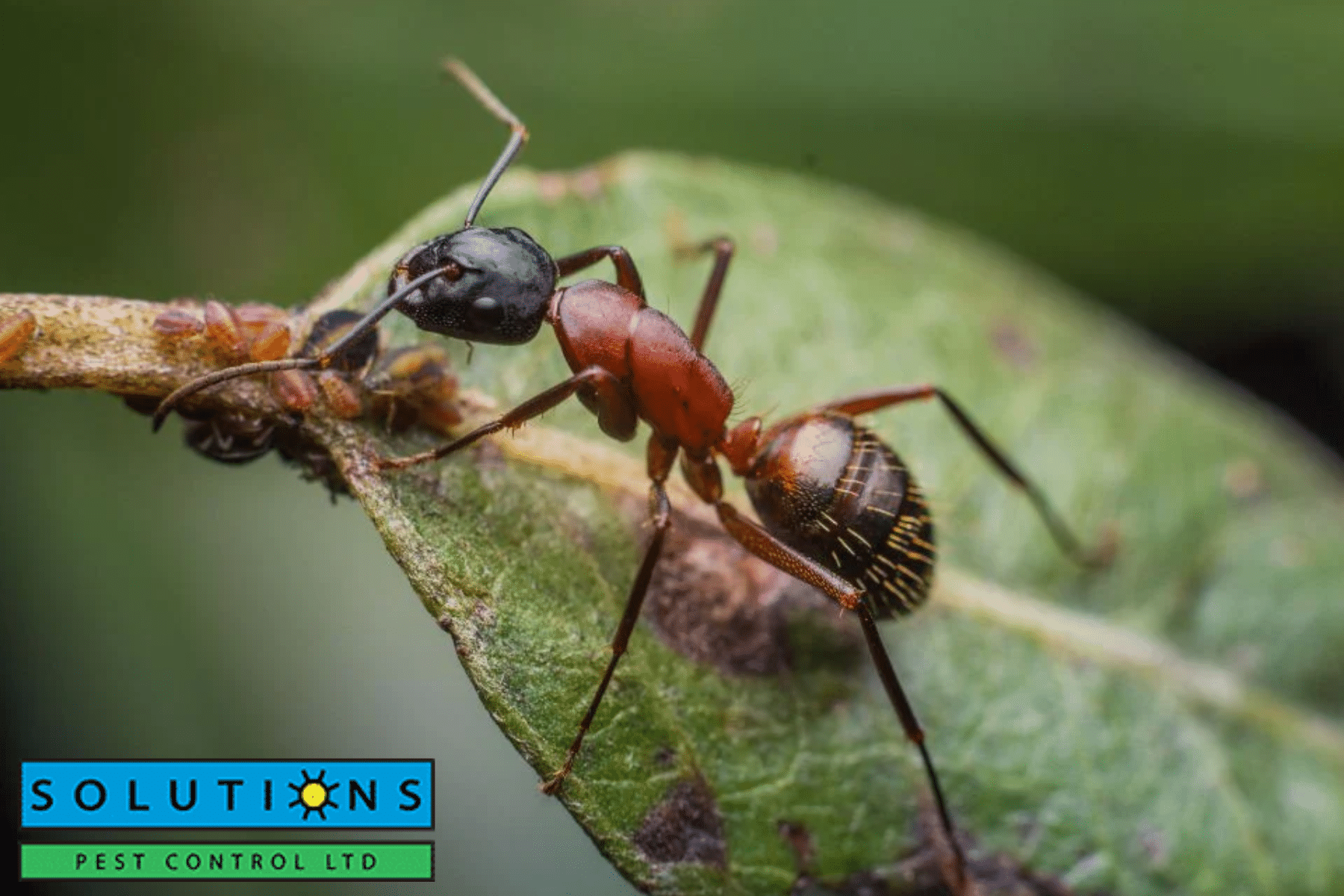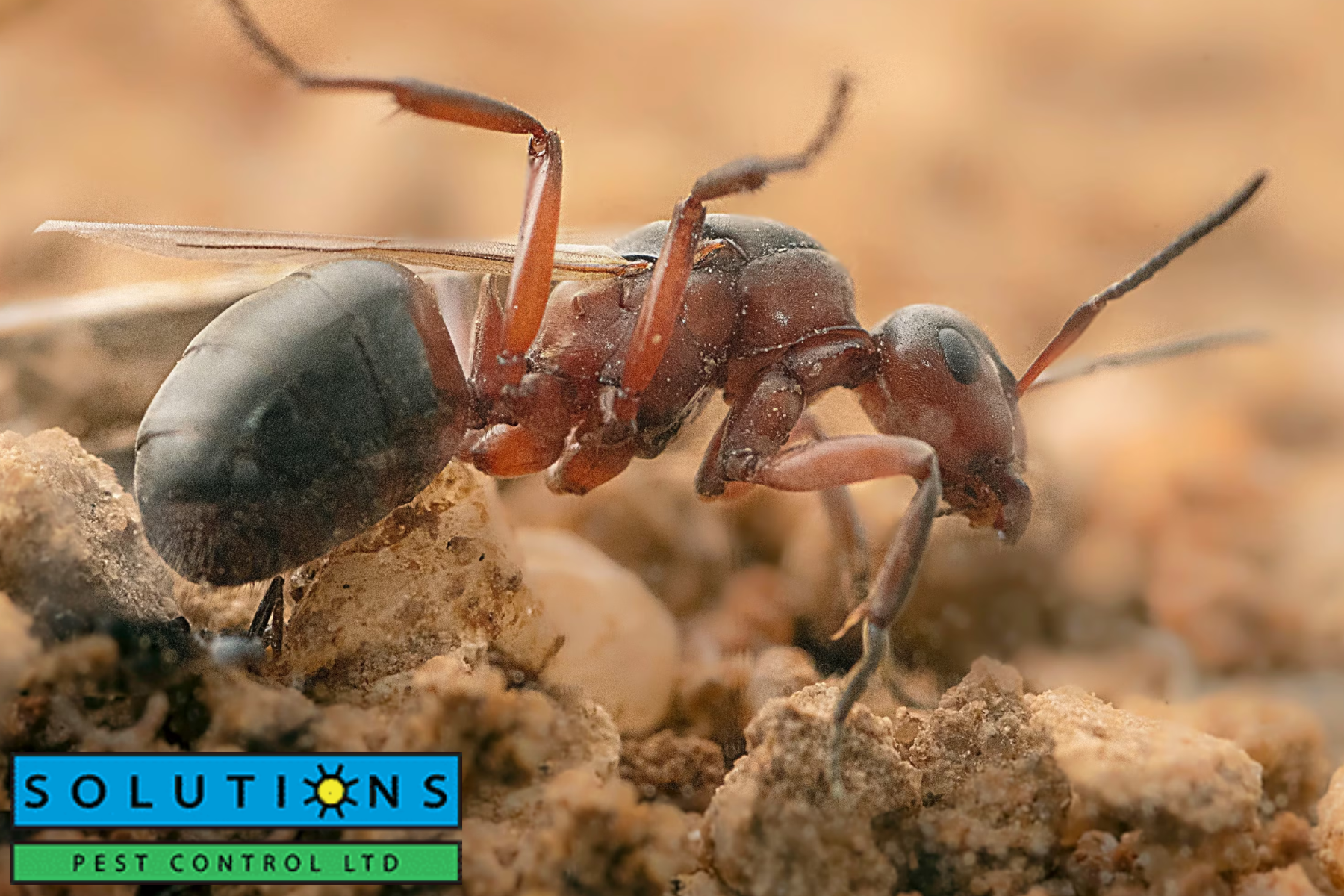


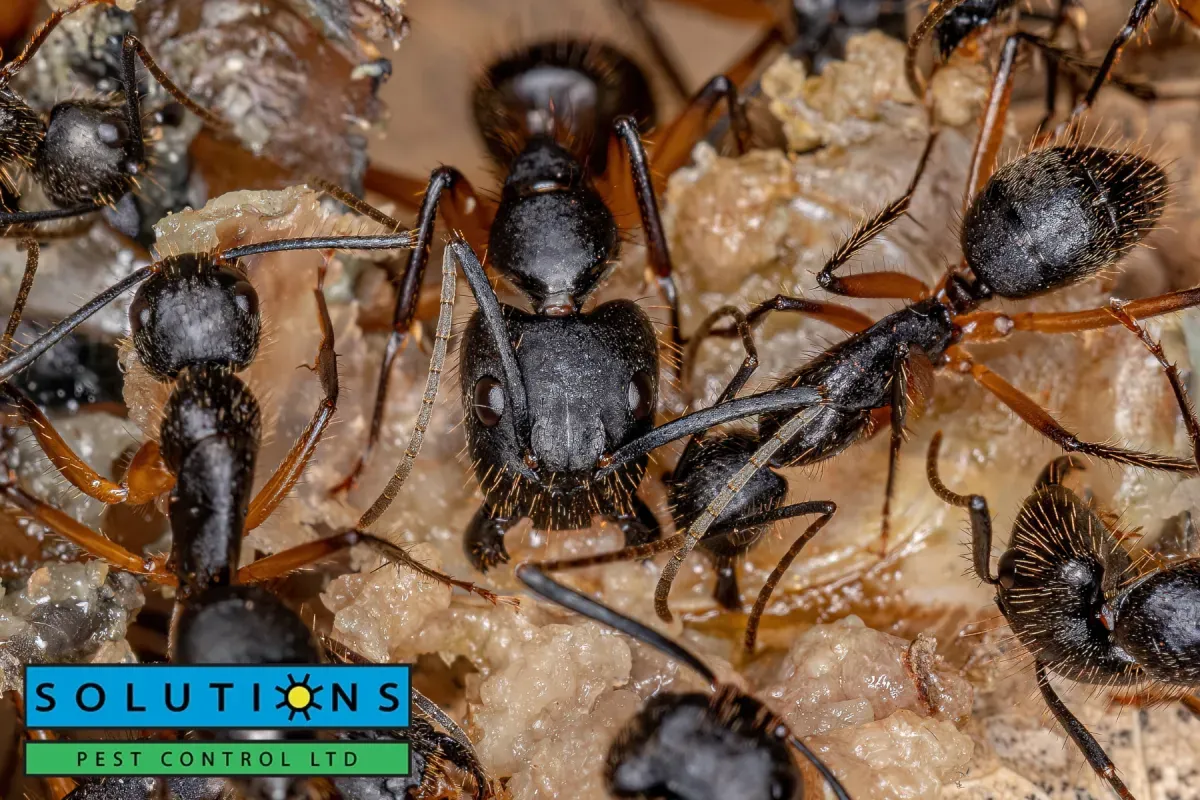

If you’ve treated for carpenter ants and still see them, you haven’t reached the queen. That’s the short answer, and understanding why changes what you need to do next.
A carpenter ant infestation has two parts: the parent colony (the queen, eggs, larvae, the original established nest almost always outside, often 10 to 30 metres away from the house), and satellite colonies (smaller groups of workers inside your structure). These are the ants you’re seeing. Treating only these doesn’t fix the infestation. The queen lays 20 to 30 eggs per day. Until she’s gone, the colony continues.
Where Is the Carpenter Ant Colony in Your Home?
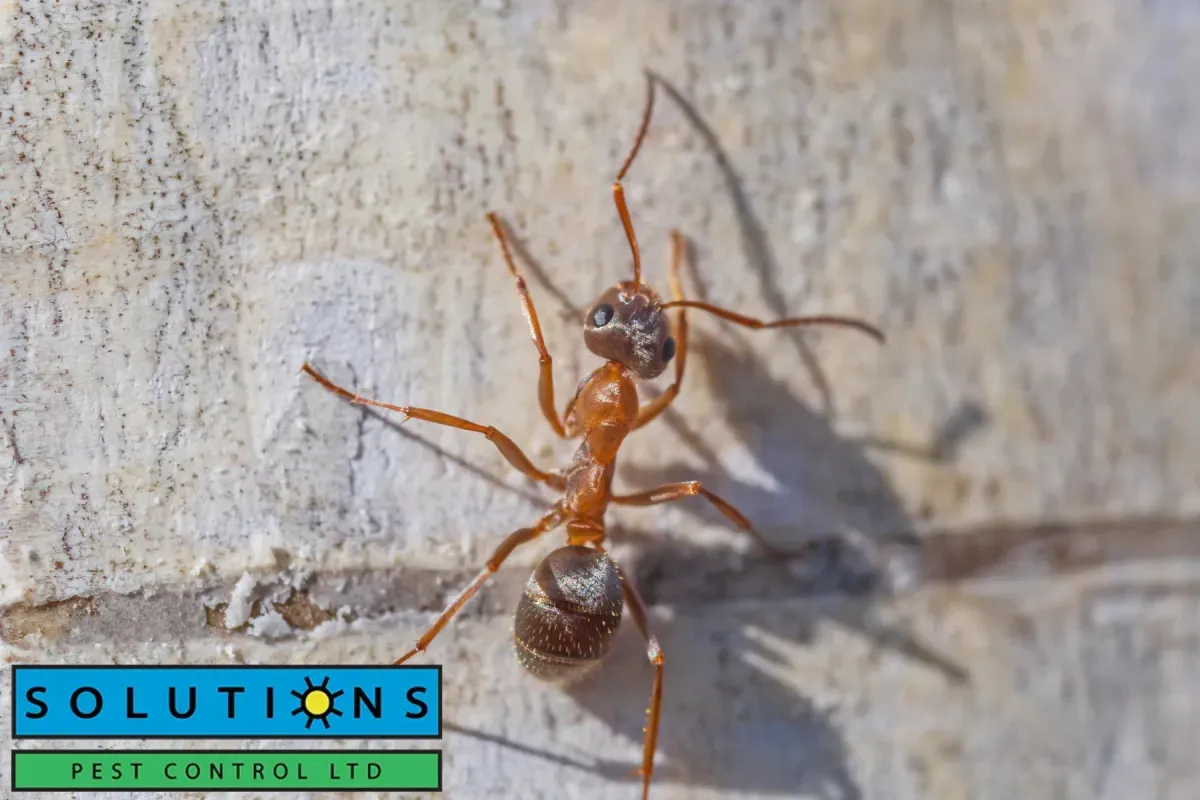
Seeing carpenter ants in your kitchen or bathroom does not always mean the colony is inside your house. In many cases, the ants you see are workers traveling from a parent colony somewhere else on the property.
The parent colony is often found in decaying, damp wood, such as an old stump, a rotting fence post, or a landscape timber sitting in wet soil. In some homes, especially where there has been water damage, the colony can be inside the structure.
Finding and reaching the parent colony is one of the most important parts of effective ant control. Killing the ants you see may provide temporary relief, but it does not solve the source of the problem.
Where the Parent Colony Actually Is
In Metro Vancouver and through the Sea to Sky corridor, carpenter ant parent colonies are commonly found in decaying wood.
A wet cedar fence post is one possible location. Landscape timbers that stay damp near the ground can also provide a suitable place for a colony. Other common sources include dead or diseased trees within roughly 30 to 50 metres of a home and old stumps that were left behind after tree removal.
Carpenter ants do not eat wood. Instead, they excavate it to create galleries where they can live. This means they are usually attracted to wood that has already been weakened by moisture or decay.
Can Carpenter Ants Nest Inside a House?
Yes. Carpenter ants can establish a colony inside a structure when damp or damaged wood gives them a suitable place to nest.
In homes around Squamish, Garibaldi Highlands, and Whistler, the parent colony may sometimes be found inside fascia boards or wall cavities affected by water intrusion.
This is why simply treating the ants that appear inside the kitchen may not be enough. If the colony is hidden inside a wall or connected to a larger outdoor colony, the source needs to be found.
Why Spraying Doesn’t Reach the Queen
Many over-the-counter carpenter ant sprays are designed to kill insects on contact. While this can kill workers that you see, it does not necessarily reach the rest of the colony.
Repellent products can also cause workers to avoid the treated area. Instead of solving the infestation, this can push a satellite colony deeper into a wall or another hidden space.
The queen remains protected, and the colony can continue producing new workers.
This is one reason professional North Vancouver pest control can be useful when carpenter ants keep coming back after DIY treatment.
How Non-Repellent Bait Works
Non-repellent bait takes a different approach.
Workers encounter the bait while foraging and do not recognize it as a threat. They can then carry it back to the colony and share it with other members through food exchange.
Over several days, the bait can work through the colony. If a satellite colony is still connected to the parent colony, the treatment may also reach that larger source.
The goal is not simply to kill the ants walking across your floor. The goal is to deal with the colony that is producing them.
How to Tell If the Parent Colony Is Still Active
One of the clearest signs that the parent colony has not been reached is continued activity after treatment.
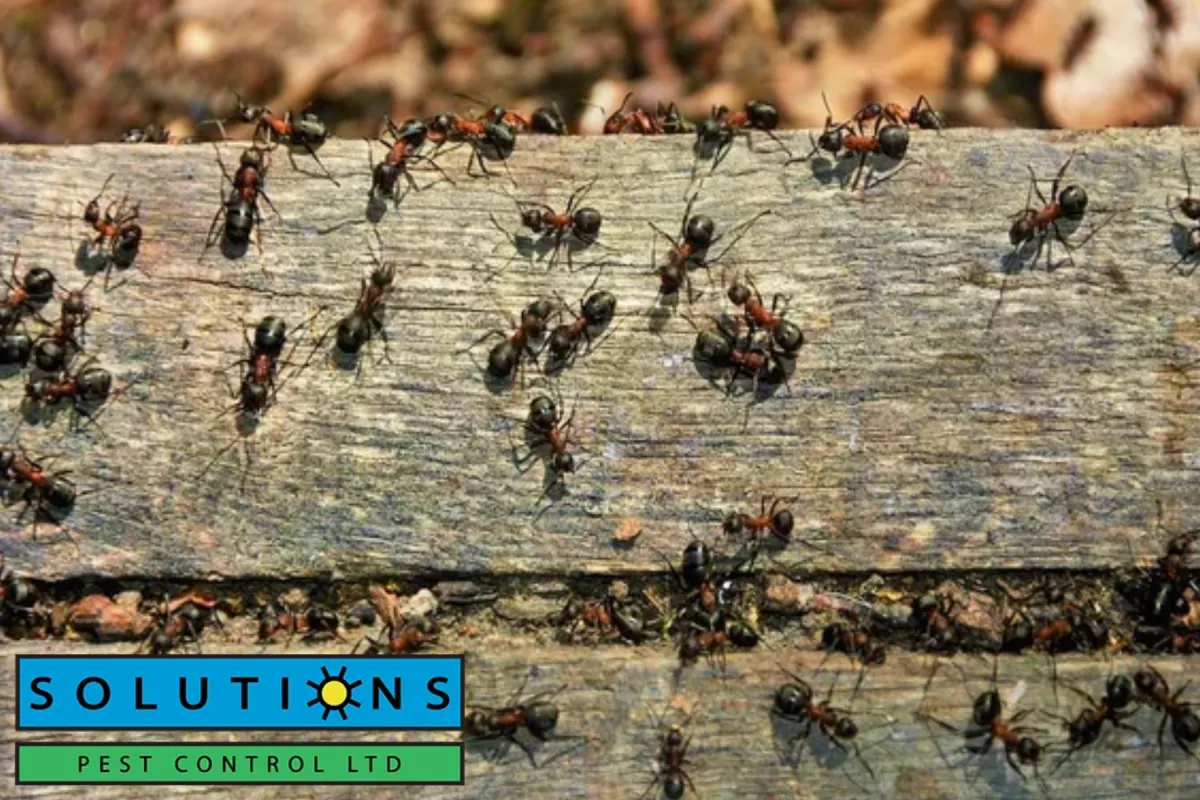
Carpenter ants are most active at night, often between about 10 p.m. and 4 a.m. If you are still seeing ants moving across your kitchen floor or around your bathroom late at night a week after treatment, the colony may still be active.
Fresh frass is another sign to watch for. Frass looks like fine sawdust and may contain small insect parts. Finding fresh frass around windowsills, baseboards, or other areas can indicate that carpenter ants are still excavating their galleries.
If these signs continue, it is worth having the treatment and colony location reassessed rather than simply applying more spray.
How Do You Find a Carpenter Ant Colony?
The best place to start is by following the ants.
Carpenter ants are often easier to track at night when they are actively foraging. Using a flashlight, watch where they go after leaving areas such as the kitchen or bathroom.
A trail may lead toward a wall void, an exterior door, or another opening in the home. From there, the parent colony may be located outside in decaying wood or inside a moisture-damaged part of the structure.
This can take some patience because the nest itself may be hidden. The ants you see inside are workers, not necessarily the location of the main colony.
How Long Does It Take to Get Rid of Carpenter Ants?
With non-repellent bait and an identified parent colony, visible carpenter ant activity should start to decline over the following weeks.
Based on the treatment approach described here, activity should reduce significantly within about 3 to 4 weeks, with full resolution potentially taking 6 to 8 weeks.
The exact timeline depends on the size and location of the colony, whether the parent colony has been reached, and whether moisture or decaying wood is still providing suitable nesting conditions.
If carpenter ants continue to appear after treatment, that does not always mean the treatment has failed. It can be a sign that the source has not yet been fully reached.
Do Carpenter Ants Come Back Every Year?
They can.
If the parent colony was not eliminated, carpenter ants may continue appearing in following seasons. New queens may also establish colonies when suitable conditions remain on the property.
Decaying wood, damp landscape timbers, old stumps, and moisture problems around the structure can all create conditions that make a property attractive to carpenter ants.
Are Carpenter Ants Dangerous to Your Home?
Carpenter ants can damage wood, but they do not eat it like termites. They excavate galleries into wood to create nesting areas.
The damage usually develops slowly. A new infestation that is found and properly dealt with is unlikely to cause major lasting structural damage.
A long-term infestation is a different matter. If carpenter ants have been active for several years and repeated surface treatments have killed workers without resolving the colony, more extensive damage can occur.
If you are seeing carpenter ants repeatedly inside your home, getting the source checked early can help prevent a small problem from becoming a much larger one.
When Should You Call a Professional?
If you only see one or two carpenter ants, it can be difficult to know whether there is an active colony nearby. Repeated sightings, especially at night, are more concerning.
Professional help is particularly useful when ants continue appearing after DIY treatment, when you find fresh frass, or when you suspect the colony is inside a wall or another hard-to-reach area.
For homeowners searching for an exterminator in North Vancouver, the important thing is to choose someone who looks for the parent colony rather than simply treating the visible ants.
A proper inspection can help determine whether the ants are coming from an outdoor colony, a satellite colony, or a moisture-damaged area inside the home.
Frequently Asked Questions
How do I find a carpenter ant colony?
Start by following the foraging trail, especially at night when carpenter ants are most active. Watch where the ants go after leaving areas where you have noticed them. Their trail may lead toward a wall void, exterior opening, or outdoor source.
How long does it take to get rid of carpenter ants?
With non-repellent bait and an identified parent colony, visible activity can reduce significantly within 3 to 4 weeks. Full resolution may take 6 to 8 weeks, depending on the colony and conditions around the property.
Do carpenter ants come back every year?
They can if the parent colony was not eliminated or if the property still has conditions that attract carpenter ants. Decaying wood and moisture are common factors.
Are carpenter ants dangerous to my home?
Carpenter ants excavate wood rather than eat it. Damage usually develops slowly, but a colony that remains active for years can cause more significant damage, particularly when it is located in structural wood affected by moisture.
Find the Source, Not Just the Ants
Seeing carpenter ants is only part of the problem. The workers you notice inside may be traveling from a parent colony hidden somewhere on the property.
Effective ant control starts with finding where that colony is located and understanding why the ants chose that area. If you continue seeing carpenter ants despite treatment, there may be a hidden colony that has not been reached. Solutions Pest Control can help identify the source and recommend the right treatment to address the problem.
For homeowners looking for pest control in North Vancouver, a professional inspection can help identify the source and determine the right approach before the infestation gets worse.
Seeing Carpenter Ants?
Don’t just treat the ants you see. Solutions Pest Control can help find the colony and provide effective ant control. Contact us today!