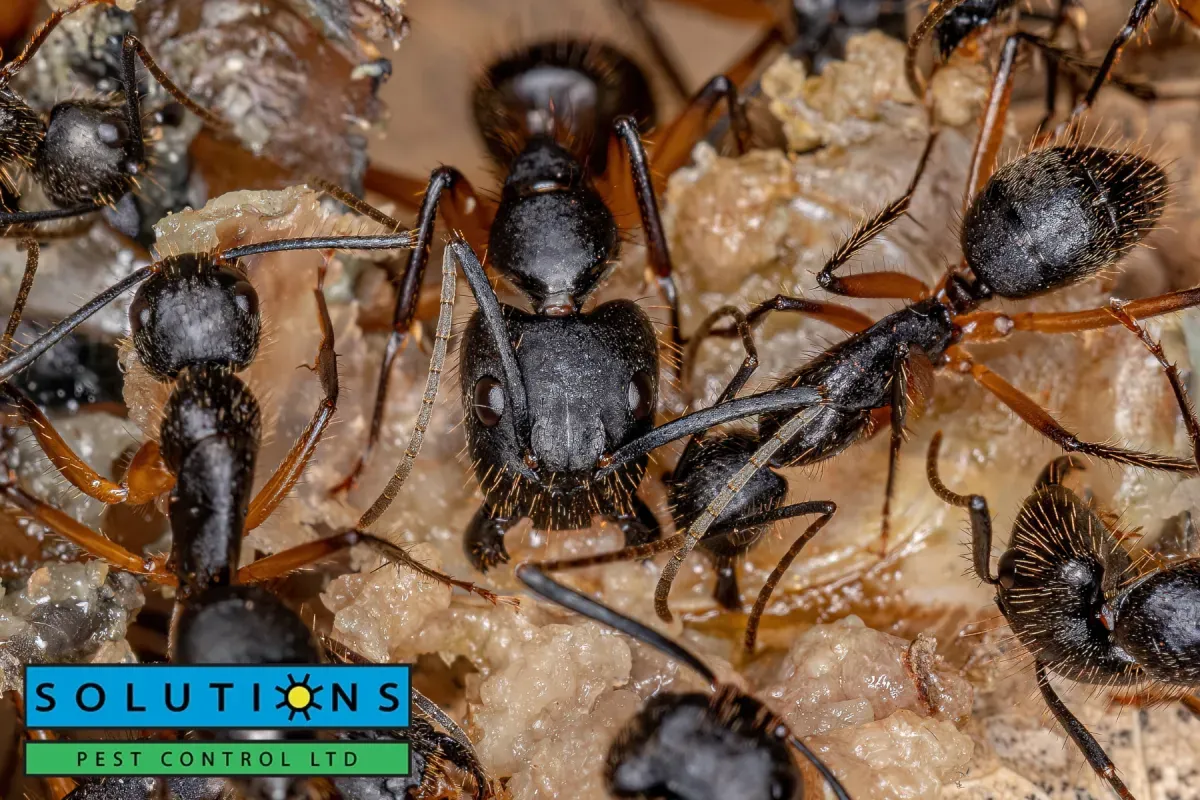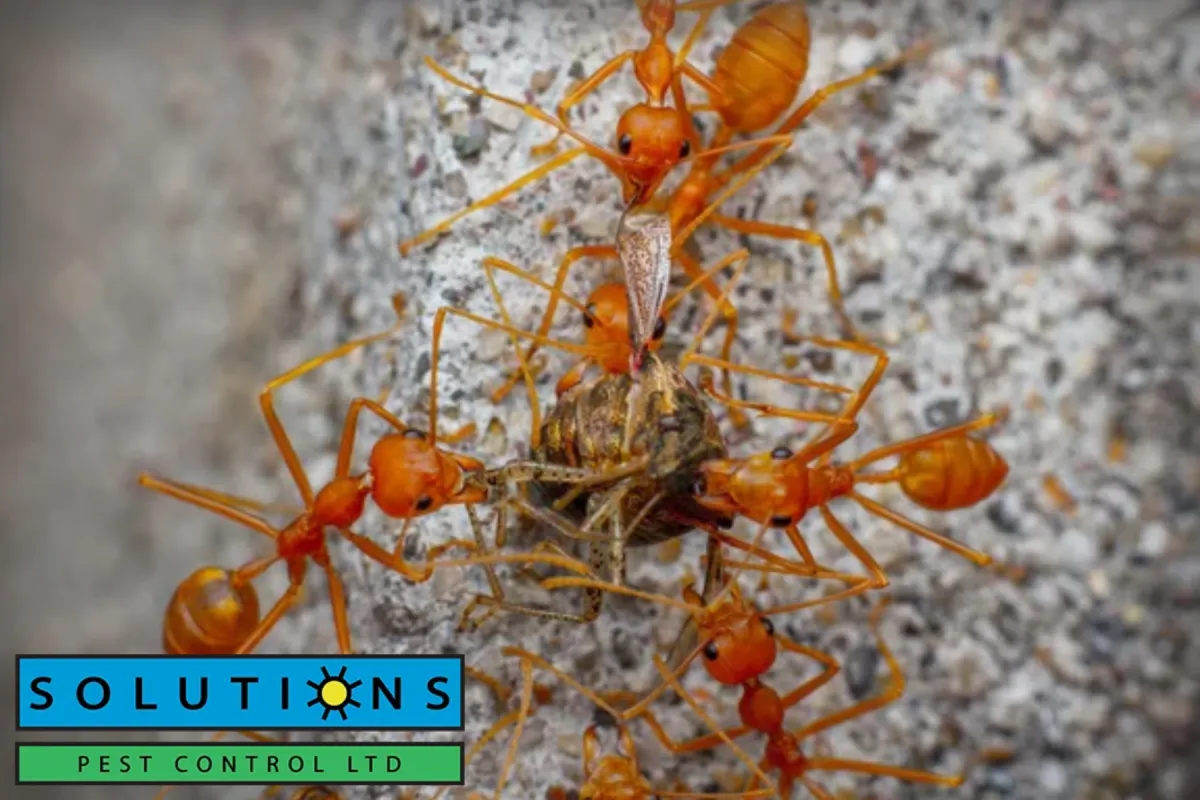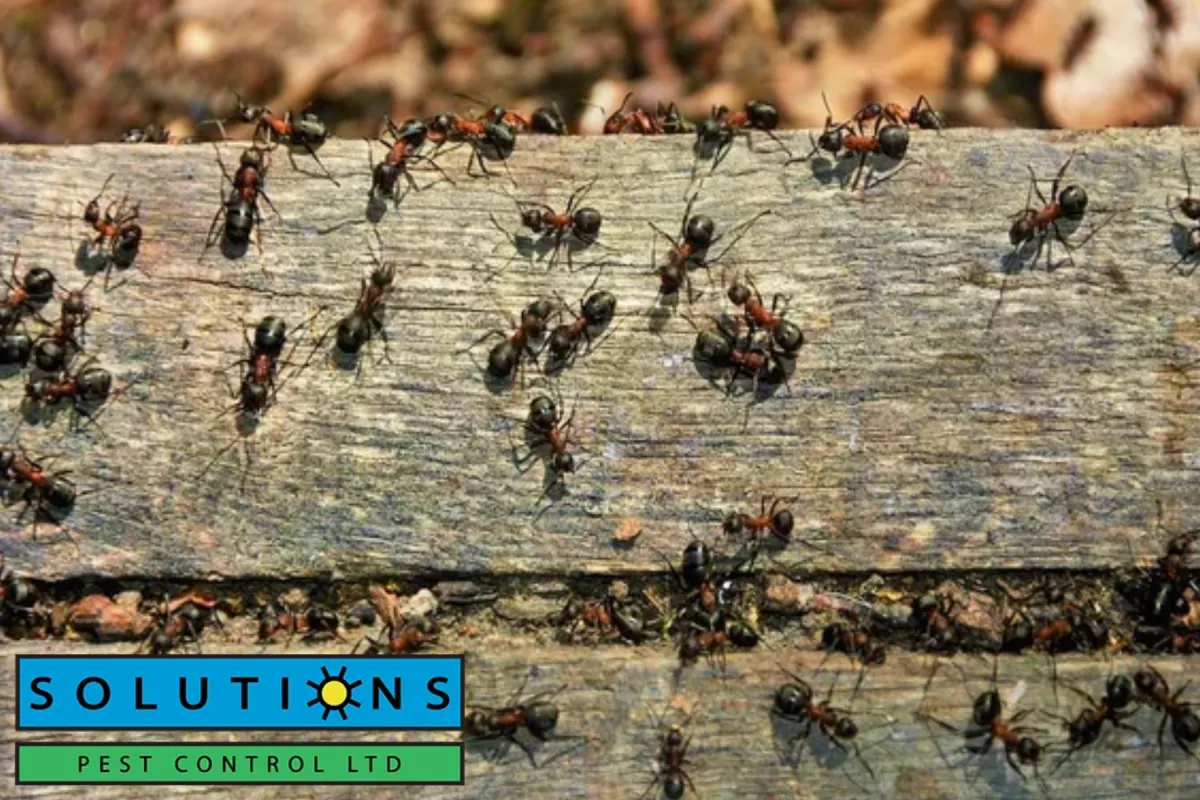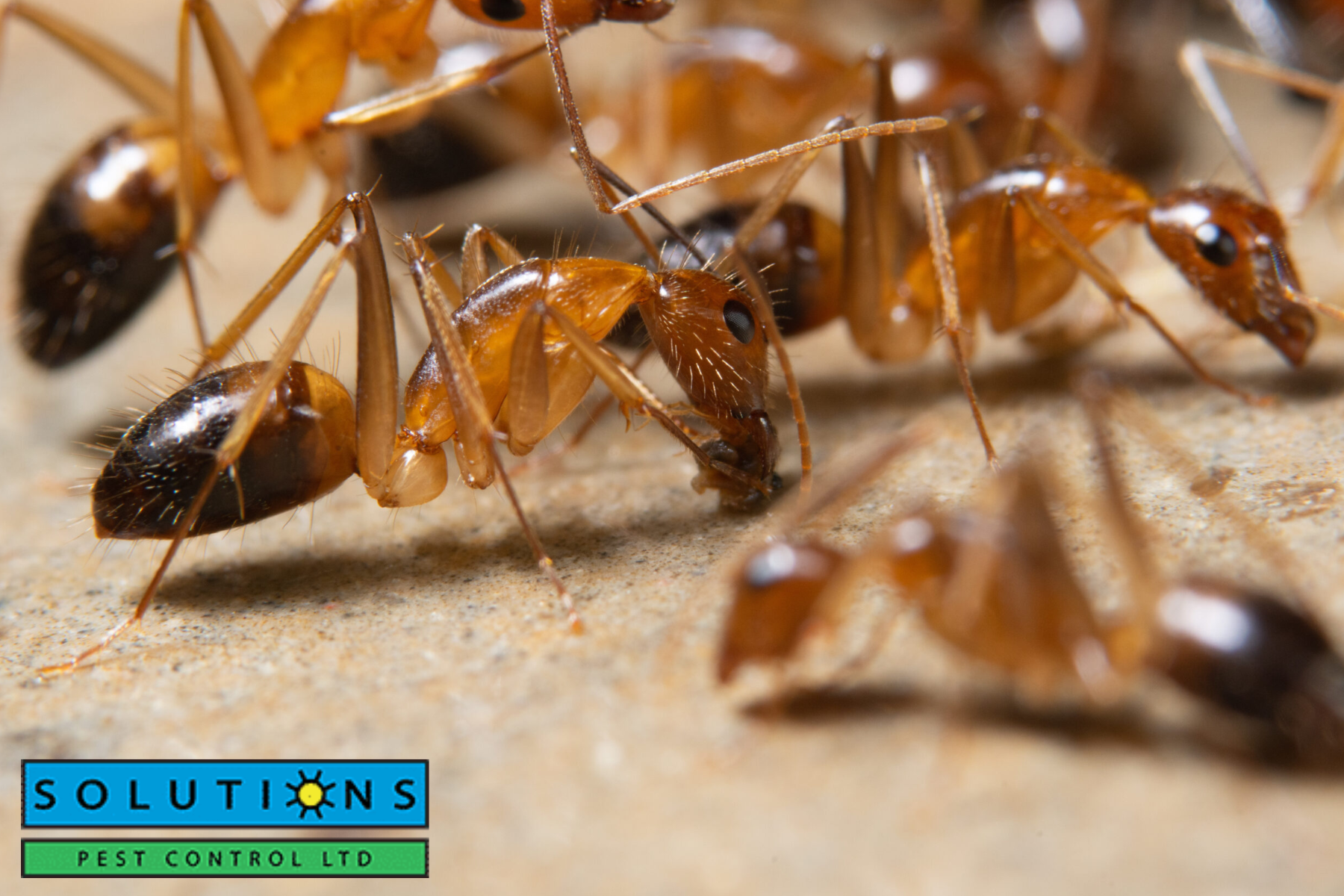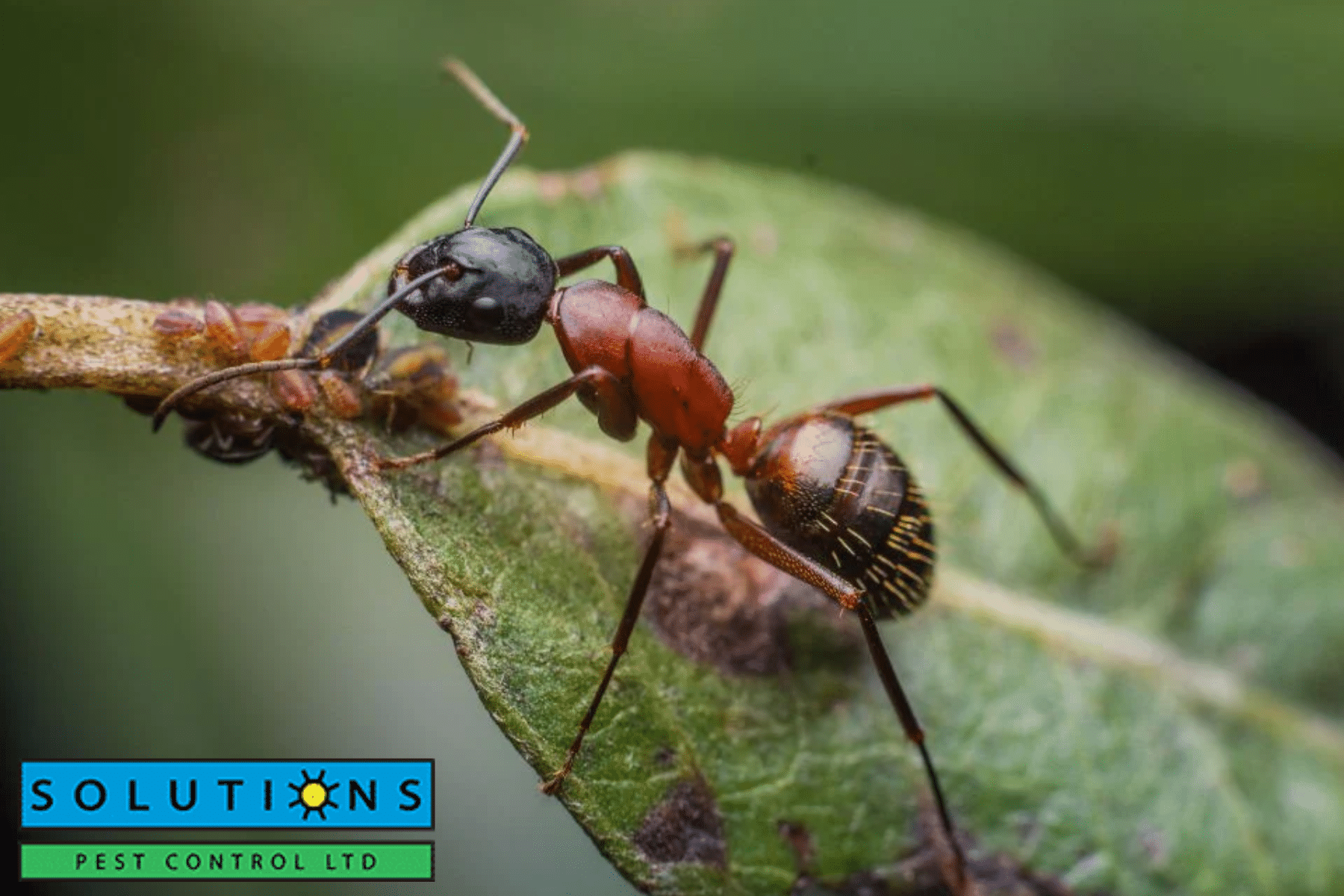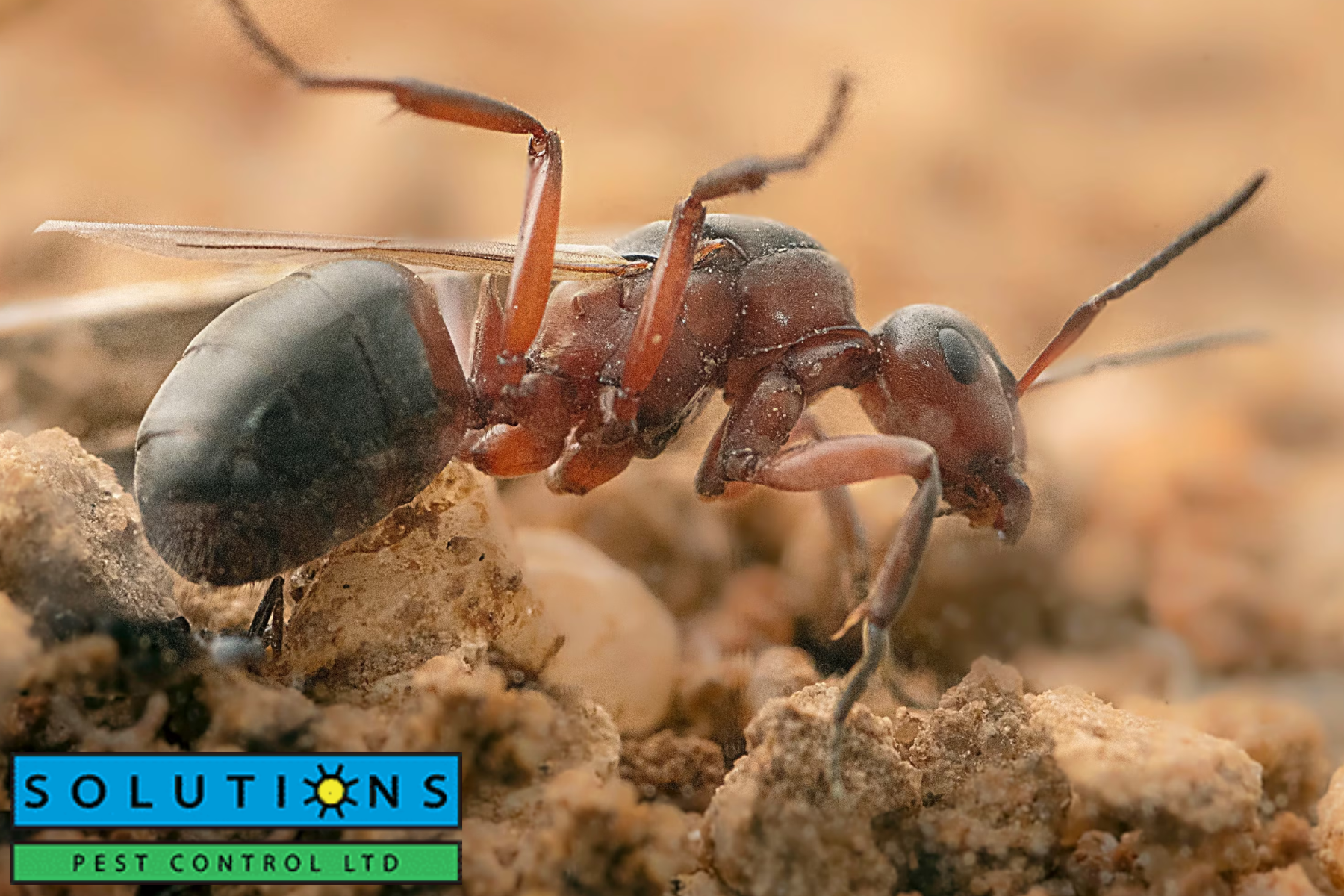


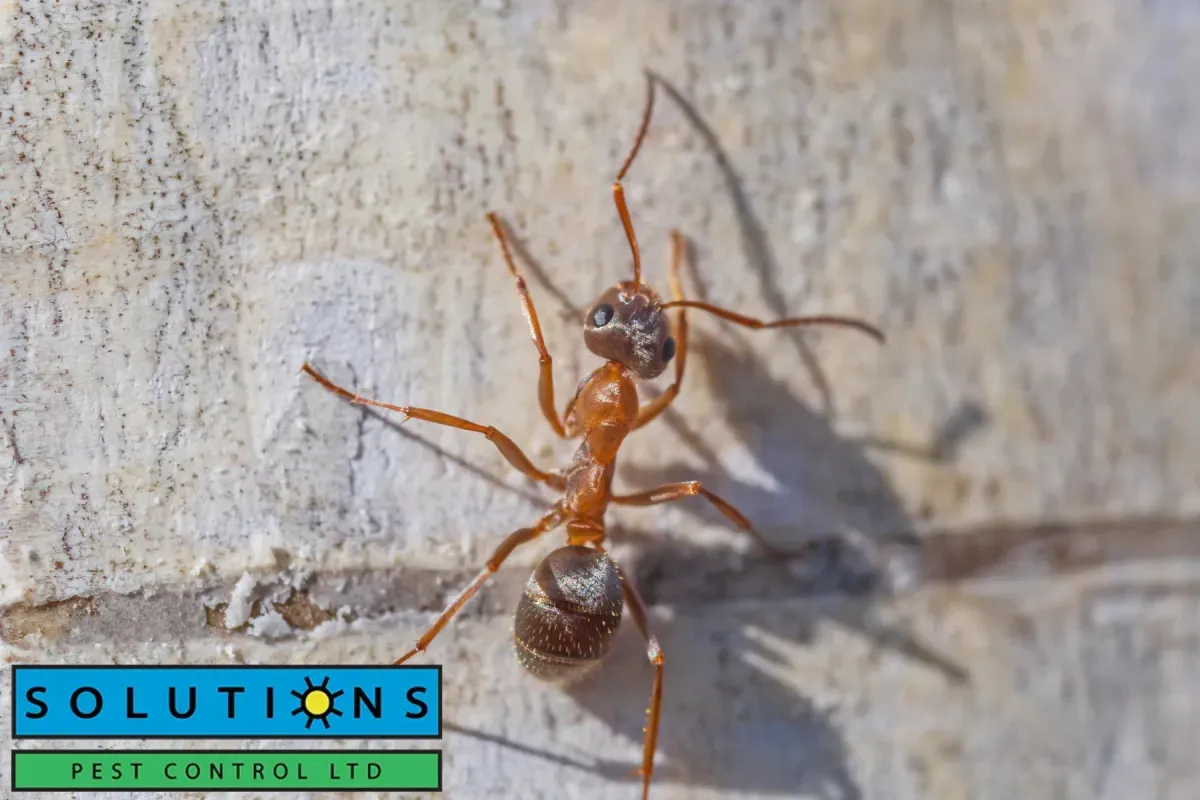

You can tell the difference between carpenter ants and sugar ants by checking for structural wood damage and their physical size. Carpenter ants are large and chew out smooth tunnels inside wooden structures, leaving behind tiny piles of sawdust. Sugar ants are much smaller, cause zero structural damage, and enter homes simply to find sweet foods on your kitchen counters.
Spotting ants inside your home can cause immediate frustration for any property owner. When these insects show up in your kitchen or bathroom, you need to know exactly what you are dealing with before trying to fix the issue. For residents seeking effective Vancouver pest control, making the right choice early prevents minor bugs from turning into an expensive home repair project.
Many people group all ants as a simple nuisance, but their nesting habits vary wildly. One type can slowly destroy the structural framework of your house, while the other is just an annoying kitchen guest. Knowing how to evaluate carpenter ants vs. sugar ants- how to tell the difference based on home damage and behavior ensures you do not waste your time or money on ineffective retail options. To protect your home investment, you must evaluate the physical signs and habits of these two common invaders. Let us look at how they compare across major categories so you can spot the problem quickly.
The Core Differences: Quick Identification Matrix
While both species can overrun a kitchen counter, their nesting behaviors and the threat they pose to your property investment could not be more different. Here is a direct breakdown of how to tell them apart:
| Identification Feature | Carpenter Ants | Sugar Ants (Odorous House / Pharaoh Ants) |
| Average Physical Size | Large (1/4 to 1/2 inch) | Small (1/16 to 1/8 inch) |
| Body Coloration | Solid dull black, dark brown, or red-and-black | Light brown, tan, to deep dark brown |
| Primary Nesting Site | Inside structural wood, wall voids, and foam insulation | Behind baseboards, inside wall spaces, and under appliances |
| Structural Damage Caused | Severe (Excavates wood, weakening framing over time) | None (Nests in pre-existing voids without damaging materials) |
| Primary Food Drive | Protein, insects, and honeydew (outside) | Sweets, syrups, baked goods, and grease |
| Key Field Sign Left Behind | Frass piles (shredded wood shavings mixed with insect parts) | Long, orderly foraging trails leading to food items |
This simple comparison shows why a proper diagnosis is the first step toward getting rid of the pests. If you see large black insects walking alone across your floor, an experienced ant exterminator will look for structural wood damage rather than just setting out simple sugar traps.
Behavior Patterns: How to Tell Them Apart by Their Actions
Watching how the ants move and hunt for food gives you a great clue about where their nest is hidden. Sugar ants follow long, highly organized trails along your walls and counter edges to transport crumbs back to their colony. Carpenter ants behave differently, often wandering around as single nighttime scouts in search of water sources. Reviewing carpenter ants vs. sugar ants: how to tell the difference based on home damage and behavior helps clarify why these patterns matter.
The type of waste they leave behind is another clear indicator of an active nest. Carpenter ants must clear out space inside the wood to build their nurseries, so they push out small piles of wood shavings mixed with dead insect parts. If you are searching for dependable pest control in Vancouver, finding these small piles near your windowsills or baseboards means you have an internal wood issue.
Their reproductive habits also change depending on the species. Both types produce winged ants that fly out to start new colonies, but carpenter varieties are much larger and usually show up indoors during the early spring months. Seeing large winged insects inside your home is a major sign that a mature nest is already living inside your building walls.
Moisture plays a massive role in where these insects choose to live. Carpenter ants prefer soft, wet wood because it is much easier for them to chew through and hollow out. In damp coastal regions, leaky pipes, roof leaks, and high humidity create the perfect environment for these wood-damaging pests to thrive.
Debunking the Myth: “Carpenter Ants Eat Your Home’s Wood for Food”
A very common misunderstanding among property owners is that carpenter ants eat wood for food in the same way that termites do. People often assume that the ants are swallowing the wood as they tunnel through the structural beams of a house.
The Reality: These ants do not eat wood at all. They only chew through it to carve out clean galleries for their growing colonies. Because they cannot digest wood, they must leave their nests to look for sugars and proteins in your pantry or yard. This means that standard treatments designed to look like wood food will fail against a carpenter ant colony.
Applying our Specialized Systems to Secure Your Property
At Solutions Pest Control, we do not believe in using random methods that fail to reach the heart of the colony. We customize our treatments to match the unique layout of your property, ensuring every pest is handled safely and responsibly. Here is a breakdown of how we use our modern tools and knowledge to protect your space:
Diatomaceous earth
A natural, mineral-based powder used in structural cracks to dry out insects on contact without leaving heavy chemical footprints.
Non-toxic to humans and pets
Formulated to target the pest’s unique biology specifically, ensuring our treatments are completely non-toxic to humans and pets.
Barrier and nest treatments
Strategic perimeter applications that combine exterior boundary lines with localized treatments directly at the source of the colony.
Chemical pesticides, sprays, and dusts
While the industry has historically relied on heavy chemical pesticides, sprays, and dusts that can leave strong residues, we prioritize modern eco-responsible solutions.
Chemical barrier treatment
A conventional exterior method that can be deployed safely or replaced with alternative eco-friendly treatments depending on your structural needs.
Bait system
An undetectable, slow-acting food matrix that foraging worker ants eat and transport back to share with the queen, ensuring total colony elimination.
People Also Ask
Do sugar ants bite humans or cause structural harm to a house?
No, common sugar ants do not have jaws strong enough to pierce human skin, and they do not possess stings. They cause absolutely zero structural damage to your home’s wooden framing, drywall, or insulation. Their primary threat is food contamination and being a general nuisance around your living spaces.
Why do I keep seeing large carpenter ants in my bathroom if they live in wood?
Carpenter ants require a constant source of moisture to survive and keep their eggs healthy. They are naturally drawn to areas with high humidity or small plumbing leaks. This makes bathroom wall cavities, spaces beneath shower pans, and areas around leaking sinks prime real estate for satellite nests.
Can a homeowner eliminate a carpenter ant nest using store-bought ant cups?
Rarely. Most store-bought ant cups are formulated with sugary liquids to attract sugar ants. Carpenter ants have shifting dietary needs that change between proteins and sugars depending on the time of year. They will completely ignore basic retail bait cups if the colony is currently hunting for protein.
Conclusion & Next Steps
Misidentifying the problem can lead to severe structural issues if carpenter ants are left to tunnel through your walls completely unnoticed. If you want to protect your home and ensure your infrastructure remains completely sound, hiring a trusted expert for pest control in Vancouver, BC is the safest path forward.
As a professional and reliable pest control company, Solutions Pest Control is committed to providing effective, tailored solutions for each customer. Our goal is to be the trusted experts that residents and business owners turn to for pest management. Our core belief is delivering high-quality, environmentally friendly pest control solutions that keep your home safe while minimizing environmental impact. We stand out by offering eco-friendly pest control services that are specifically customized to each client’s needs. Our team’s wealth of experience and commitment to customer satisfaction ensure guaranteed results.
Reclaim Your Peace of Mind Today
Do not let a small ant trail turn into an expensive structural repair bill. Contact us today to request your personalized quote or book a consultation.