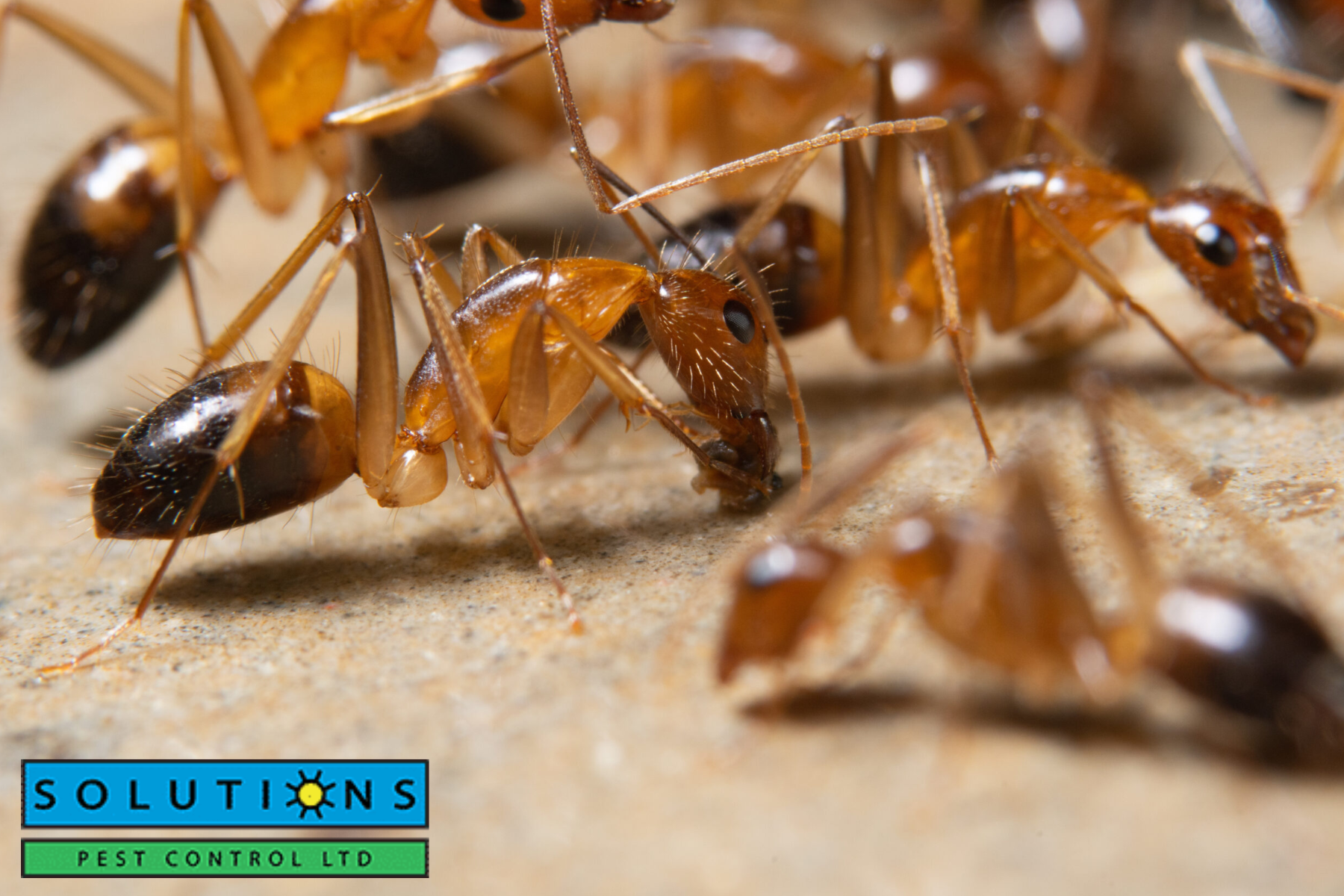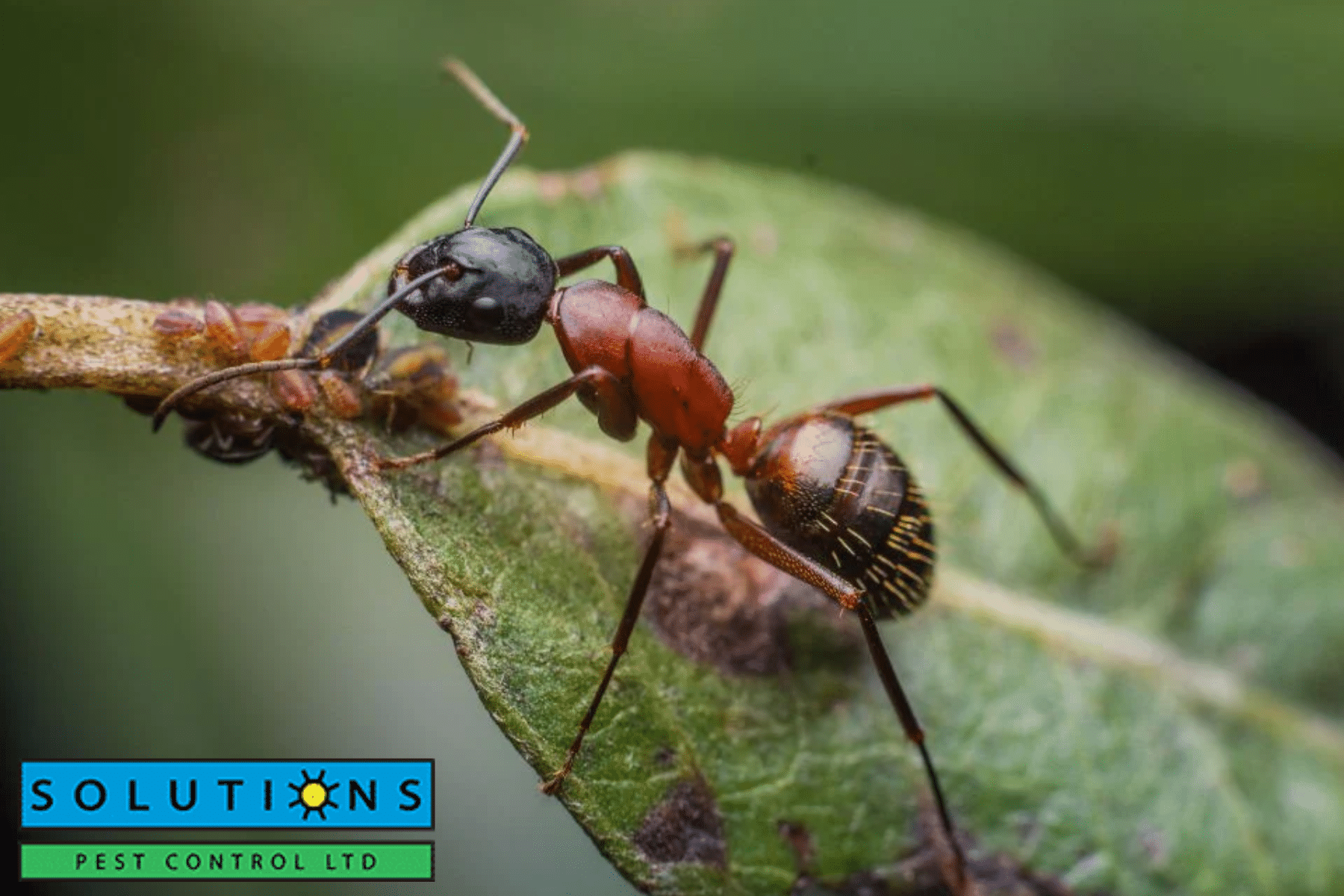


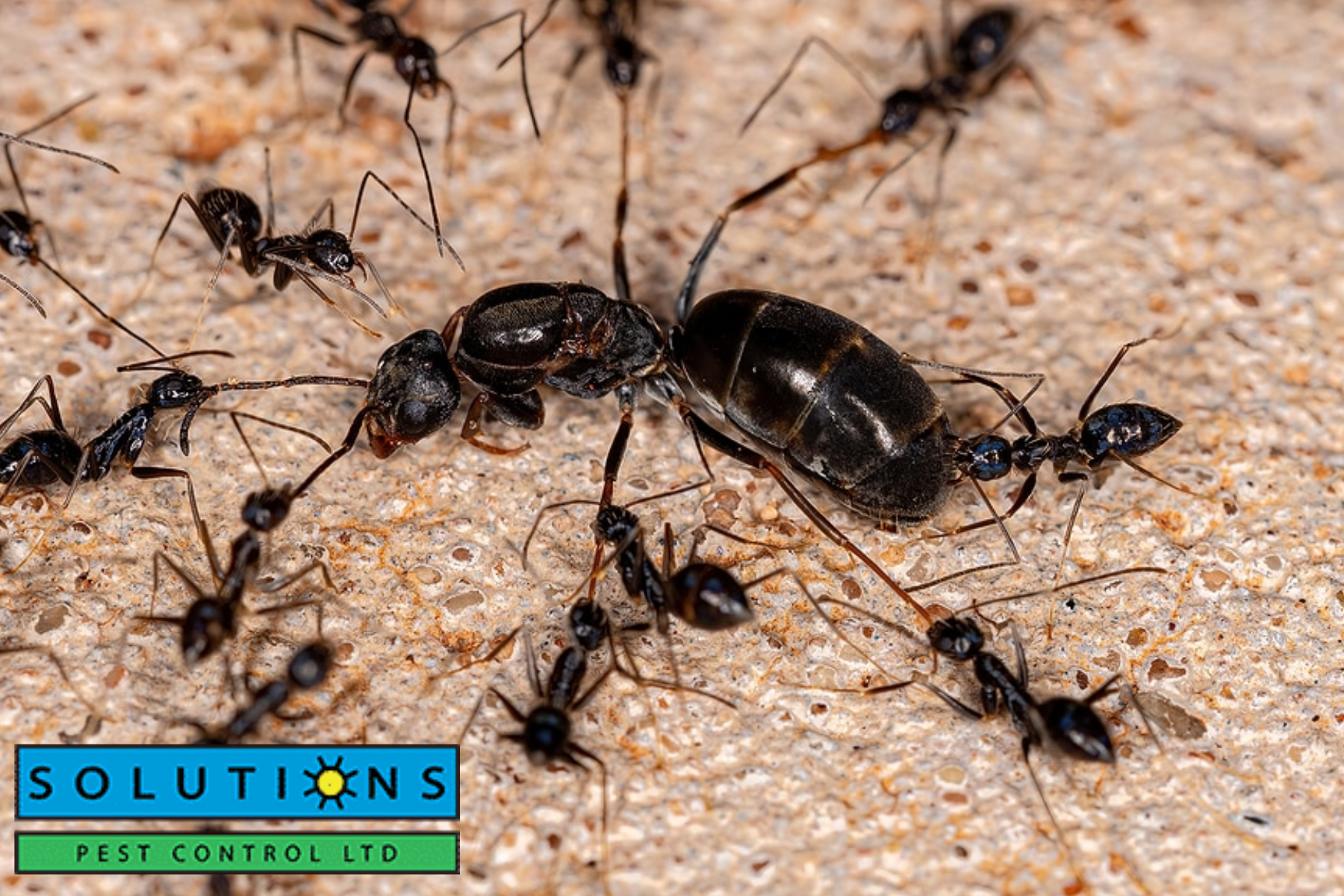

Black ants may seem like minor annoyances at first, but they can quickly become a persistent indoor problem. While a single ant trailing across your kitchen counter may not raise alarms, it often signals a much larger colony working silently behind the scenes. Understanding how these pests move from outdoor wanderers to indoor residents is key to keeping your home ant-free.
In this article, we’ll explore how black ants infestations begin, what attracts them to your home, how they spread, and what you can do to prevent them.
Why Are Black Ants Attracted to Your Home?
Black ants are foragers by nature. Their primary motivation is food, and unfortunately, your kitchen provides an ideal buffet. Even the smallest crumbs or spills can attract a scout ant, which will then leave a scent trail for the rest of the colony to follow. Once a food source is identified, a line of ants can form within hours. If you’re dealing with this type of infestation, it’s essential to contact pest control in Richmond to address the issue before it becomes a larger problem.
Food and Water Are Primary Lures
Food isn’t the only factor; moisture is another big draw for black ants. Leaky pipes, wet sponges, and condensation under appliances can create ideal conditions. Kitchens, bathrooms, and basements are common hotspots because they provide easy access to both nourishment and water.
Scent Trails That Signal More Ants
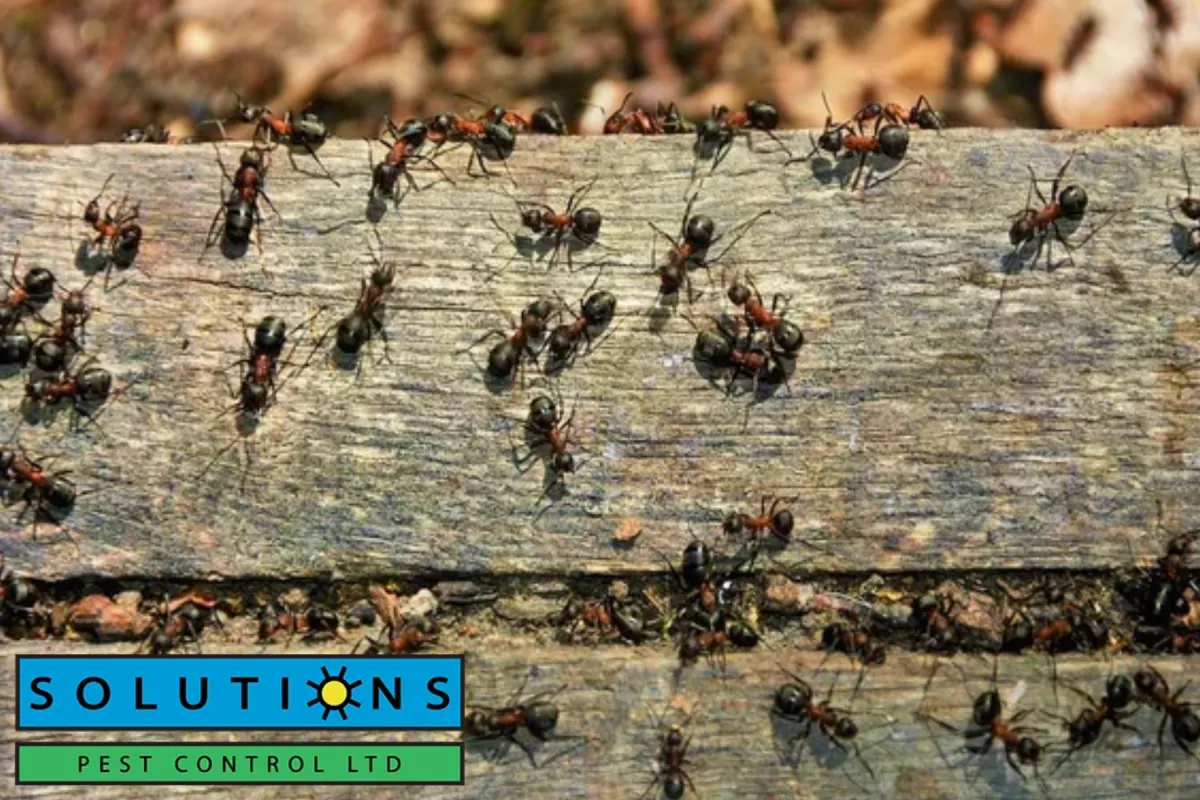
When a scout ant finds food, it releases pheromones to guide others to the source. These scent trails are like highways that ants use to move efficiently between the colony and the food. That’s why you often see ants marching in a line following a chemical trail left by their fellow worker ants.
How Do Black Ant Colonies Form Indoors?
Contrary to popular belief, black ants don’t always build their colonies outdoors. If conditions are right, they’ll settle indoors, especially in areas with warmth, food, and moisture. Some colonies begin outside and only send foragers inside. Others may move entirely indoors if the environment suits them better.
Entry Points: Cracks, Gaps, and Openings
Ants are incredibly skilled at finding entryways into your home. Gaps under doors, foundation cracks, and spaces around plumbing or wiring are common access points. Once inside, they look for wall voids, insulation, or crevices where they can nest and remain hidden.
Secondary Colonies and Satellite Nests
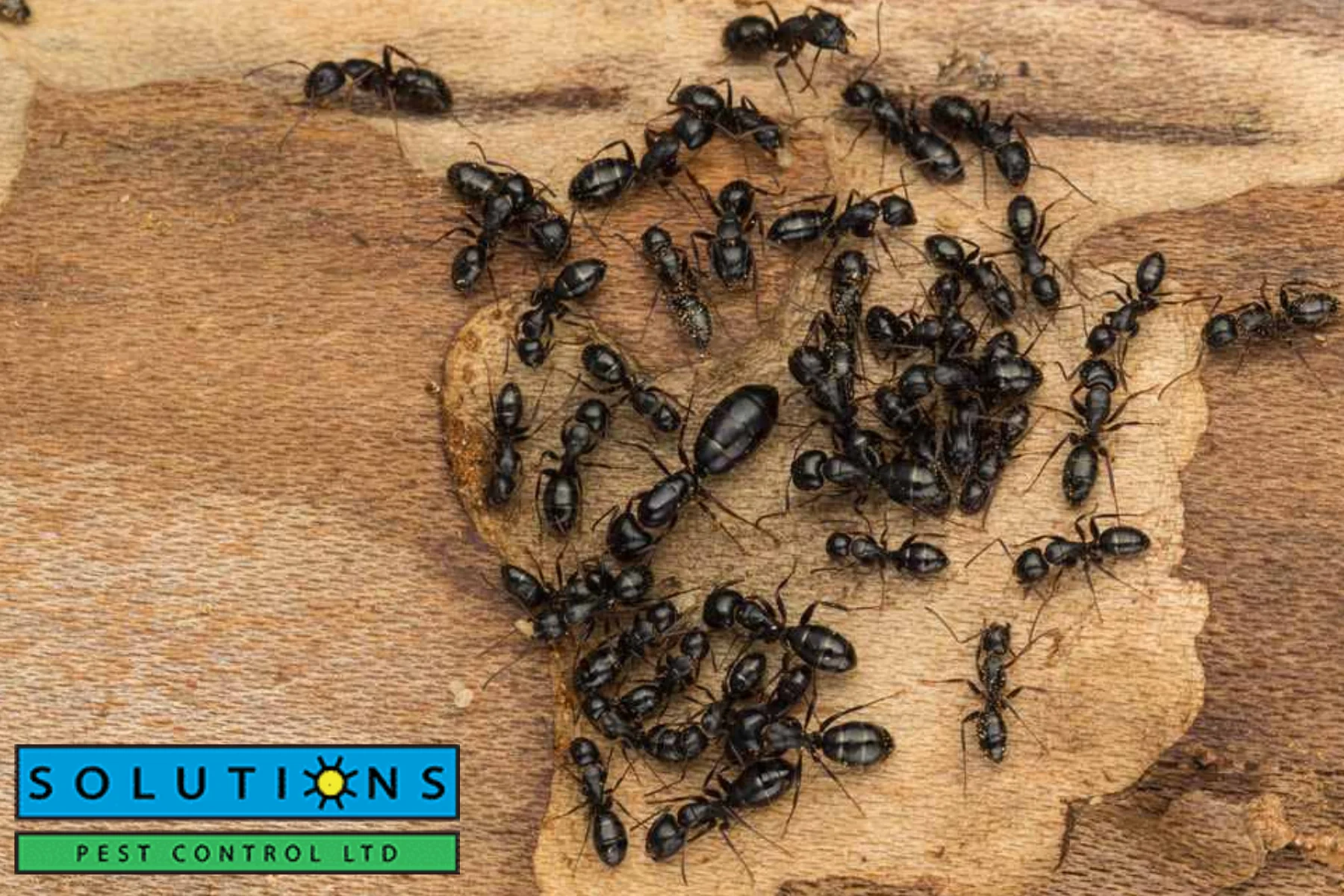
A major reason black ant infestations can feel endless is their ability to create satellite nests. These are smaller colonies formed away from the main nest to make foraging easier. It also makes infestations harder to eliminate, as removing one colony doesn’t necessarily mean the problem is gone.
How Black Ants Spread Through Your Home
The moment black ants discover a reliable food or water source, they begin to spread. Their trails branch out, covering more ground and creating a network of paths throughout your home. You might initially notice them in the kitchen, only to find them later in bathrooms, laundry rooms, or even bedrooms.
Night Activity and Quiet Invasions
Black ants are often most active at night or when your home is quiet. This helps them avoid detection and makes it easier for them to spread undisturbed. If you’re seeing ants during the day, chances are the infestation is already well-established.
Reproductive Ants and Swarms
Another concerning sign is the presence of winged ants, also known as swarmers. These reproductive ants leave the nest to start new colonies. If you’re seeing swarmers inside your home, it’s a sign that a colony may be nesting within your walls or floors. If you’re wondering, do black ants bite? While they rarely pose a physical threat, their presence can be invasive and unhygienic.
Common Signs of a Black Ant Infestation
Identifying an infestation early can prevent it from spreading further. Look out for:
- Trails of ants in kitchens or pantries
- Small piles of soil or debris near baseboards or the foundation
- Rustling noises inside the walls (in severe cases)
- Presence of winged ants indoors
- Recurring ant activity despite cleaning
If you spot these signs, it may be time to search for professional ant control before the infestation worsens.
How to Prevent Black Ant Infestations Indoors
Prevention is your first line of defense against black ants. Start by cutting off the two main attractants: food and water.
Seal Entry Points
Inspect your home for cracks and gaps that ants might use to enter. Caulking around windows, doors, and plumbing can go a long way toward keeping them out.
Maintain a Clean Environment
Clean up spills immediately, store food in airtight containers, and avoid leaving pet food out overnight. Even crumbs under appliances can attract ants.
Eliminate Moisture Sources
Fix leaky faucets and ensure proper ventilation in damp areas like basements and laundry rooms. Use a dehumidifier if needed.
Yard Maintenance
Keep shrubs and trees trimmed back from the house. Ants often use these as bridges to get inside. Remove yard debris, which can be a nesting site for black ants.
When to Call for Professional Help
While minor infestations can often be handled with vigilance and preventive measures, some situations require expert intervention. If ants continue to return despite your efforts, or if you’ve noticed satellite colonies or swarmers, it’s time to contact professionals offering pest control in Richmond, BC.
Expert specialists understand ant behavior and colony structure and use proven techniques to not only eliminate current infestations but also prevent future ones. Effective treatments involve more than just surface solutions; they address the root cause.
For Richmond residents dealing with persistent infestations, working with a trusted Richmond pest control provider ensures a thorough, long-lasting resolution.
About Solutions Pest Control
Solutions Pest Control is your trusted pest management partner serving Richmond, BC, and surrounding communities. We specialize in environmentally conscious, family-safe treatments that target the root of your pest problem, not just the symptoms.
From black ants in house to rodents, wasps, spiders, and more, our experienced team applies customized, effective strategies for both residential and commercial spaces. We take pride in protecting your property while using green and safe products that are tough on pests and gentle on the environment.
Frequently Asked Questions
- What attracts black ants to my house?
Black ants are attracted by food sources, especially sugary or greasy substances, and moisture. Crumbs, spills, and leaky pipes can all bring them inside. Ensuring your home is clean and dry can help prevent them from entering. - How can I prevent black ants in my house?
To prevent ants, seal any cracks or gaps in your home, especially around windows, doors, and plumbing. Keep food stored in airtight containers and eliminate moisture sources by fixing leaky pipes and using a dehumidifier. - Do black ants damage my home?
Black ants are not known for causing structural damage like carpenter ants, but they can be a nuisance, and their presence may indicate moisture problems inside your home. - How long does it take to get rid of a black ant infestation?
It can take a few days to a couple of weeks to control a black ant infestation, depending on the severity. A professional pest control service can speed up the process with targeted treatments. - When should I call a pest control service?
If you notice persistent black ant activity despite cleaning and sealing entry points, it’s time to call for professional pest control. Richmond pest control experts can quickly identify the source and provide a long-lasting solution.
Are black ants invading your space? Don’t let a small problem turn into a big infestation. For a reliable solution, schedule a service today. Our expert team specializes in ant control and will ensure your home remains ant-free.
Other related blogs:
5 Interesting Ant Facts That Will Surprise You
What Do Ant Eggs Look Like? A Visual Guide for Homeowners
Why You Might Be Inviting Ants Into Your Home Without Knowing It