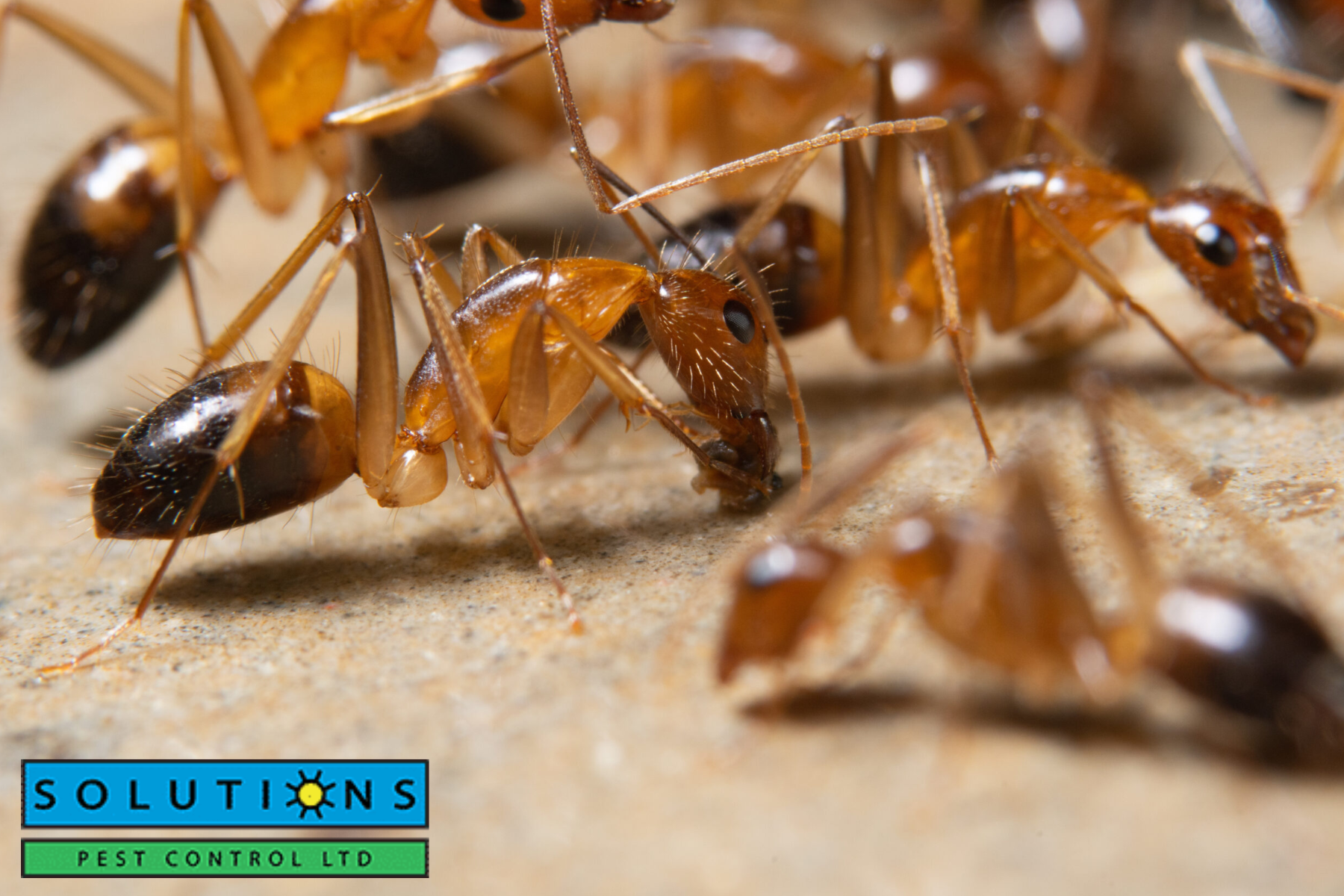


Professional ant control can help identify the ant species, locate likely nesting areas, and address the conditions that allow an infestation to persist. While DIY methods may manage a few visible ants, recurring activity can indicate a larger colony or an overlooked entry point. A professional approach focuses on identifying the source of the problem and choosing appropriate treatment and prevention methods.
Why Can DIY Ant Control Be Difficult?
Seeing ants in your kitchen or bathroom can be frustrating, especially when they keep returning after you clean or use store-bought products. The challenge is that the ants you see are often only a small part of the colony.
Here are four reasons why controlling ants can be more complicated than it appears.
1. Some Ants Can Bite or Sting
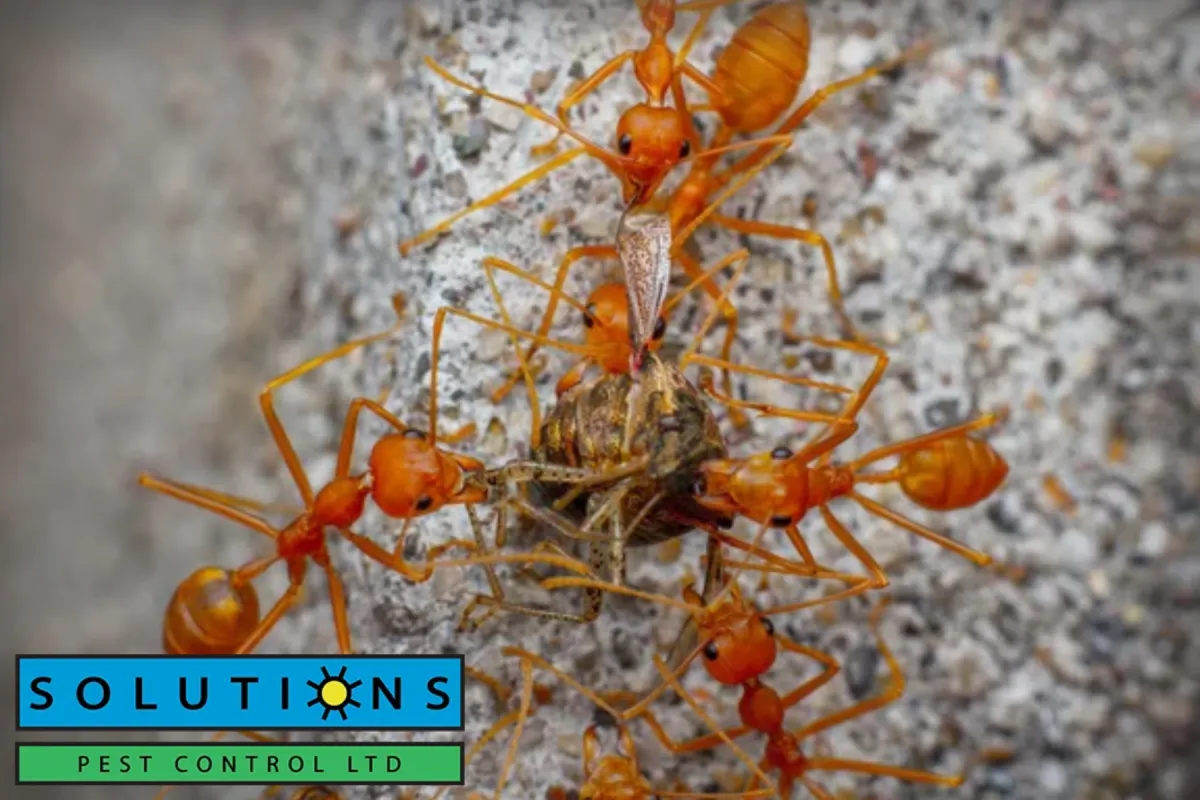
Not every ant species poses the same risk, but some can bite or sting when threatened. Depending on the species and the person’s sensitivity, this may cause temporary pain, redness, itching, or swelling.
Ants can also become a nuisance when they enter kitchens, pantries, and food-storage areas. Certain species may contaminate food or food-preparation surfaces as they forage.
If you notice ants repeatedly appearing around food or gathering in multiple rooms, identify where they are entering and remove accessible food sources. Persistent activity may require a more thorough inspection.
2. Killing Visible Ants May Not Eliminate the Colony
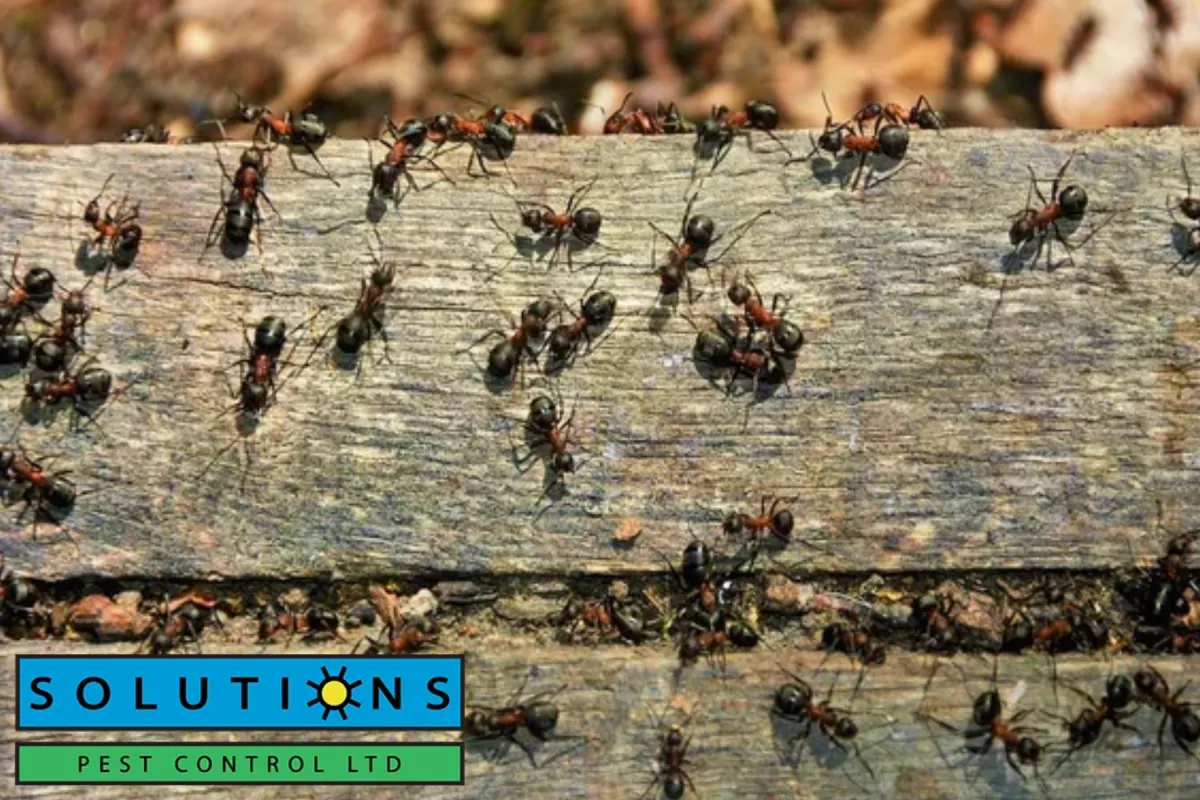
Squashing a few ants or wiping away an ant trail may provide temporary relief, but it does not necessarily address the colony. Worker ants often travel between a nest and food sources, following chemical trails that help other ants find the same route.
Depending on the species, a colony may be located outdoors, beneath paving, inside wall cavities, or in other concealed spaces. Some species also establish multiple nests, making the problem more difficult to resolve with surface-level measures alone.
Effective ant control begins with identifying the species and understanding its nesting and foraging behavior. A professional can use these clues to determine an appropriate treatment strategy rather than simply treating the ants that are visible.
3. Carpenter Ants Can Damage Wood
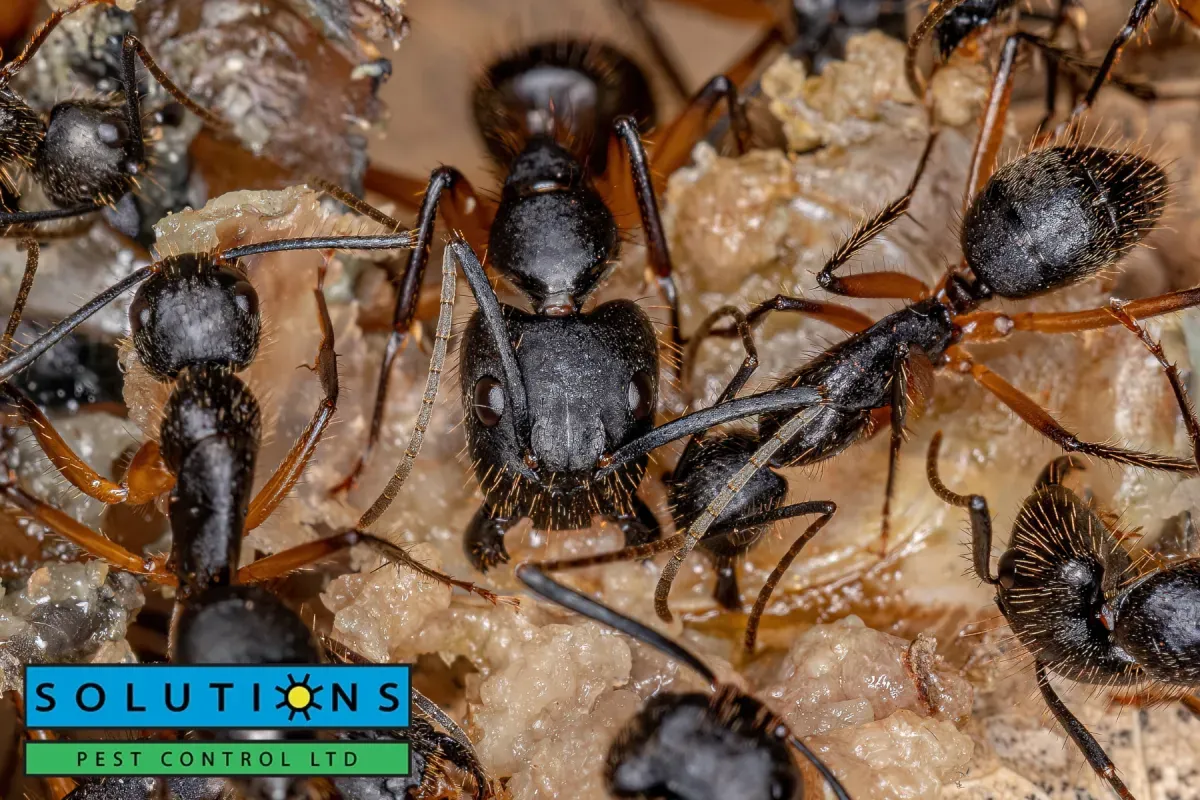
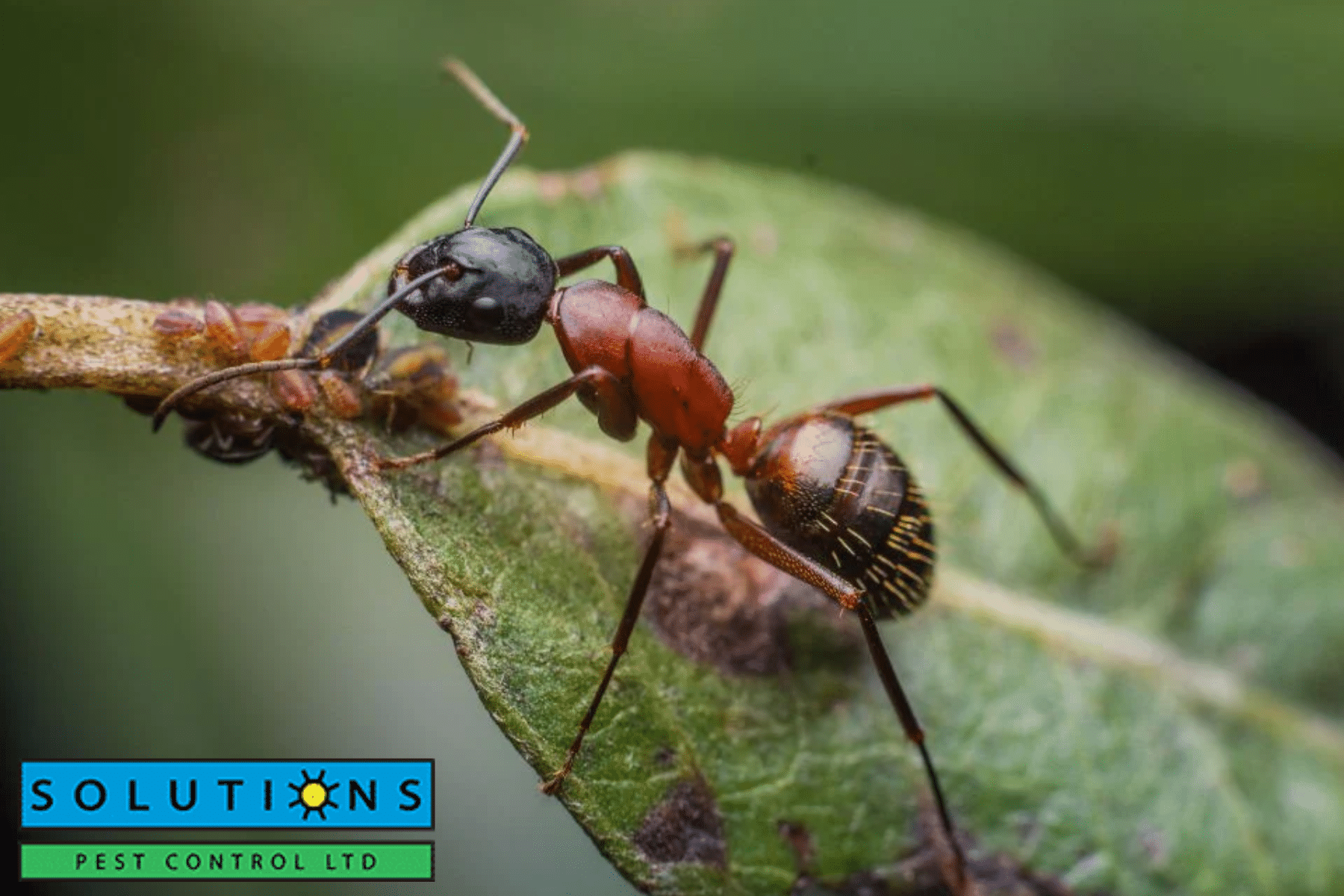
Carpenter ants are particularly concerning because they excavate wood to create nesting galleries. Unlike termites, they do not eat wood for nutrition, but their nesting activity can still damage wooden components, especially when an infestation remains undetected.
Carpenter ants may nest in damp or damaged wood, including areas affected by leaks or moisture problems. Signs to watch for include:
- Ants repeatedly emerging from wall gaps, window frames, or wooden structures
- Small piles of coarse wood shavings, sometimes mixed with insect debris
- Rustling sounds from concealed spaces in some infestations
- Repeated ant activity around damp wood or previous water damage
These signs do not automatically confirm a carpenter ant infestation. However, if you suspect carpenter ants, investigate the source and address any moisture problems. Professional inspection may help determine whether the ants are nesting inside the structure or simply entering from outdoors.
4. DIY Treatments May Not Address the Source
Ant baits, traps, and other household products can sometimes help manage certain ant species when used correctly. However, results depend on the product, the species, the placement, and whether the ants are still finding food elsewhere.
Using the wrong product or applying treatments without understanding the infestation can lead to disappointing results. Some treatments may kill foraging ants without affecting the colony, while unsuitable applications can expose people or pets unnecessarily.
Always follow product-label instructions and keep treatments away from children and pets as directed. Avoid combining different products or using improvised methods involving fire or flammable substances.
If ants continue to return, a professional inspection can help identify why previous efforts have not worked and which control measures are appropriate.
What Does Professional Ant Control Involve?
Professional service typically starts with an inspection rather than immediately treating every area where ants appear. Understanding the species and the source of activity helps determine which measures are likely to be effective.
Depending on the infestation, the process may include:
Identifying the Ant Species
Different ants have different nesting habits, food preferences, and behaviors. Identifying the species helps determine whether the nest is likely to be outdoors, inside a wall, or in another concealed location.
Locating Entry Points and Nesting Areas
A technician may inspect ant trails, cracks, gaps around windows and doors, plumbing openings, and areas where moisture has accumulated. Finding these locations can help guide treatment and prevention recommendations.
Selecting an Appropriate Treatment
Treatment options depend on the species, nesting location, level of activity, and conditions inside the property. Depending on the situation, a professional may recommend targeted products, baiting, or other suitable methods.
No single approach works equally well for every ant species. Treatment should be selected according to the infestation rather than applied indiscriminately.
Recommending Long-Term Prevention
Professional service may also include practical recommendations, such as sealing entry points, storing food in airtight containers, cleaning up spills, repairing leaks, and reducing conditions that attract ants.
These steps can help lower the likelihood of recurring activity, although no treatment can guarantee that ants will never return.
When Should You Call a Pest Control Professional?
A few ants do not always mean you have a major infestation. However, professional assistance may be worthwhile when:
- Ants keep returning despite cleaning and other preventive measures.
- You notice trails leading into walls, ceilings, or inaccessible areas.
- Ants appear in several rooms or repeatedly gather around food.
- You suspect carpenter ants or notice possible wood damage.
- You cannot determine where the ants are entering your property.
Homeowners researching pest control in Vancouver should look for a provider that explains the inspection process, treatment options, and prevention recommendations. A clear plan should address the likely source of the infestation, not just the ants seen on countertops or floors.
When comparing providers, ask how they identify ant species, determine likely nesting areas, and decide which treatment method to use. If you need pest control in Vancouver, BC, choose a provider that explains its recommendations clearly and provides practical guidance for preventing future activity.
How Can You Help Prevent Ants From Returning?
Professional treatment is only one part of long-term ant prevention. Everyday maintenance can help reduce the food, moisture, and access points that attract ants.
Try these practical steps:
- Store food securely: Keep pantry goods, sweets, and pet food in sealed containers.
- Clean up promptly: Wipe spills, remove crumbs, and wash dishes regularly.
- Manage garbage: Use bins with secure lids and empty them as needed.
- Repair leaks: Address moisture around sinks, pipes, and appliances.
- Seal entry points: Close suitable gaps around doors, windows, and utility lines.
- Maintain outdoor areas: Remove accumulated debris and keep vegetation from touching the building where practical.
If you continue to see ants after taking these steps, avoid repeatedly applying different products without identifying the species and source. A targeted assessment from a Vancouver pest control professional may help determine the most effective treatment and prevent recurring infestations.
Ant Control Services From Solutions Pest Control
When an ant problem persists, Solutions Pest Control can help you explore appropriate options for identifying and managing the infestation. The right approach depends on the ant species, the location of the colony, and the conditions contributing to the activity.
Frequently Asked Questions
Why do ants keep coming back after treatment?
Ants may return if the colony remains active, the entry point has not been addressed, or accessible food continues to attract foragers. Some species also maintain multiple nesting sites. Identifying the species and source of activity can help determine which control and prevention measures are appropriate.
Can I get rid of ants without professional help?
Small, occasional ant problems may improve with careful cleaning, secure food storage, sealing entry points, and correctly used ant baits. However, persistent trails, hidden nests, or suspected carpenter ant activity may require professional assessment to identify the source and choose a suitable treatment.
Are carpenter ants as destructive as termites?
Carpenter ants and termites damage wood differently. Carpenter ants excavate galleries for nesting but do not eat the wood, while termites consume wood and other cellulose-containing materials. Both can cause property damage, so identifying the insect correctly is important when deciding what action to take.
Are ant sprays always effective?
No. The effectiveness of a product depends on the ant species, the treatment method, and how it is used. Killing visible ants may not eliminate the colony, and some products may be unsuitable for certain situations. Always follow label directions and seek professional guidance if the problem persists.
How can I make my home less attractive to ants?
Keep food sealed, clean up crumbs and spills, secure garbage, repair leaks, and seal suitable gaps around doors, windows, and utility openings. These steps reduce common food and access sources, but they may not resolve an established colony hidden inside or near the building.
Get Help With a Persistent Ant Problem
Ants can be difficult to manage when their colony or entry point is hidden. Identifying the species, addressing the source, and reducing the conditions that attract them can make control efforts more effective.
If ants keep returning or you suspect carpenter ants, contact Solutions Pest Control to discuss your concerns and explore appropriate next steps.
Contact us today to learn more about available services.
LEARN MORE HERE:
What Squamish Businesses Need to Know About Keeping Ants Out of Food Prep Areas for Good
Why Bug Bombs Often Make a Bed Bug Infestation Significantly Worse