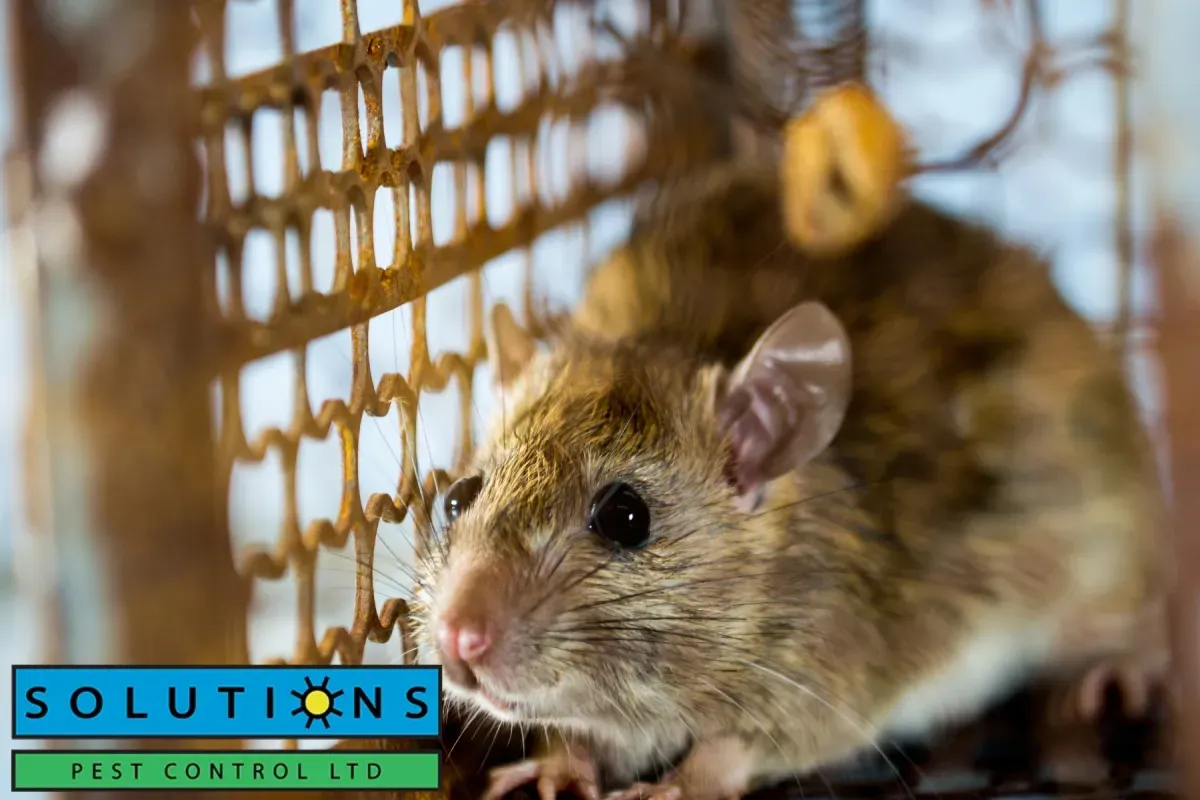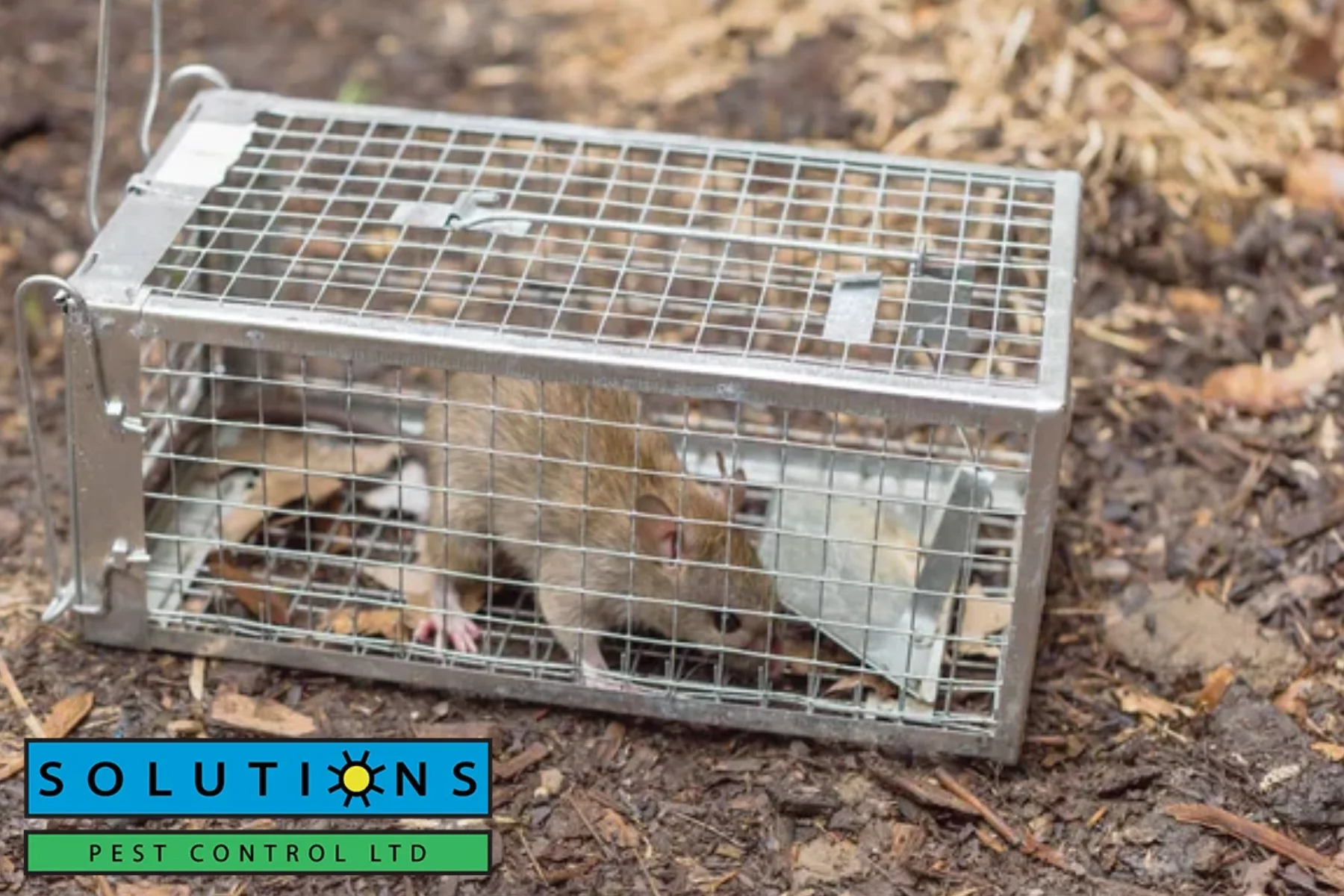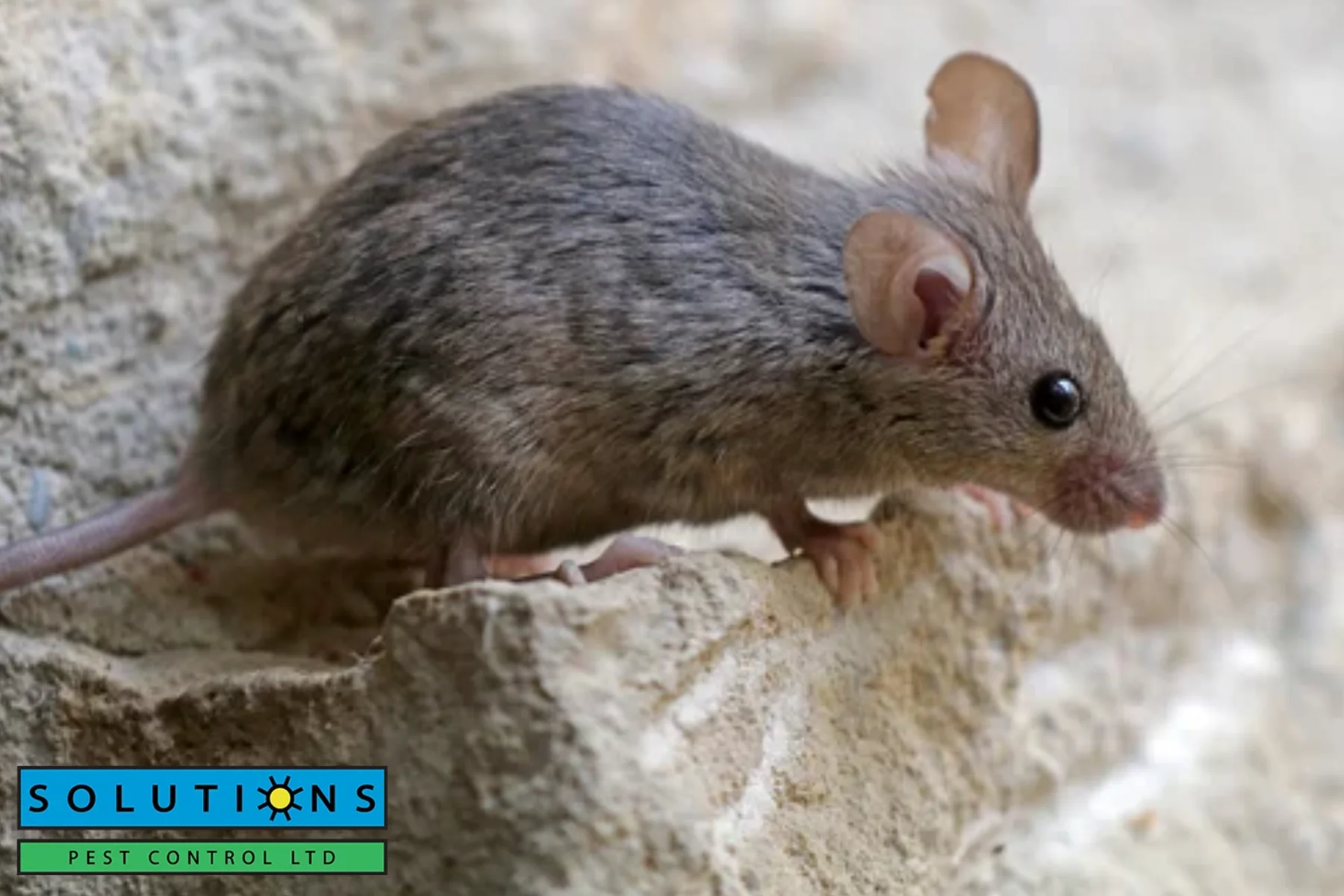


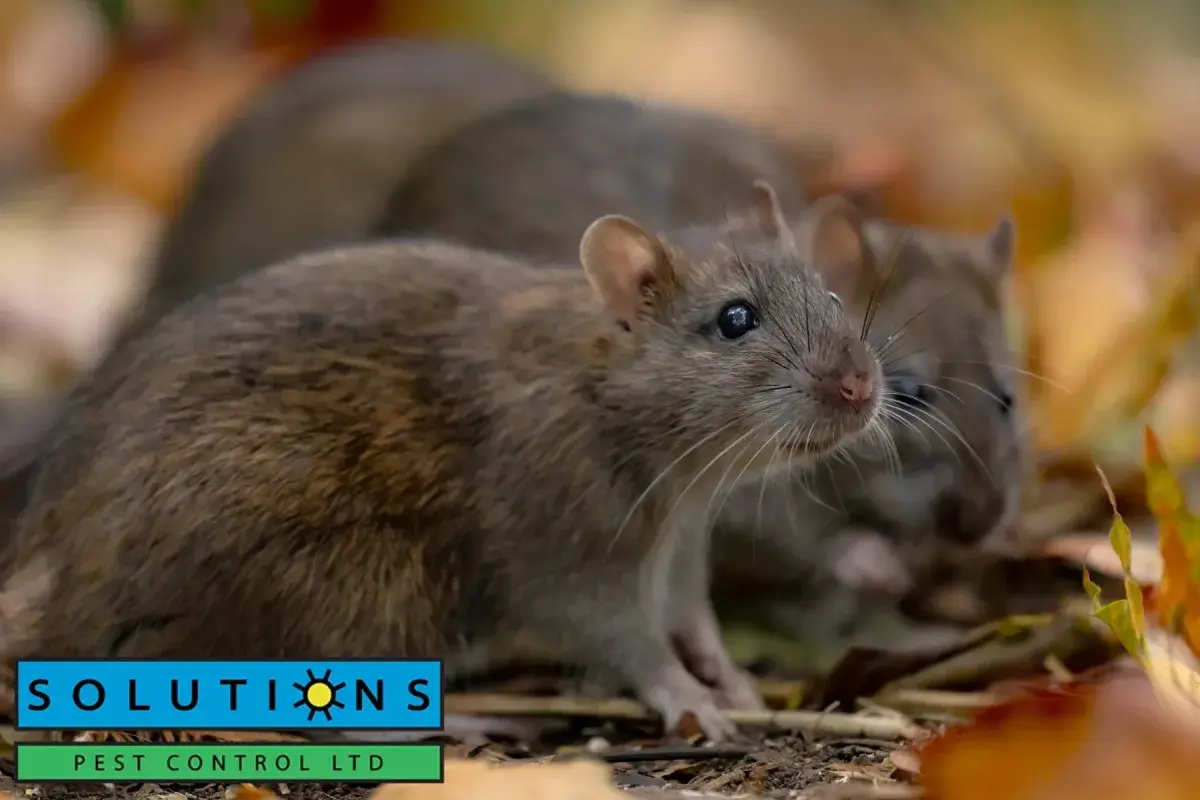

Rats and mice keep returning after rodent control treatments when entry points remain open, food and water are accessible, or hidden nesting areas have not been addressed. Treatment can reduce an existing rodent population, but lasting control also requires finding how rodents enter a property and what continues to attract them.
What Causes Rats and Mice to Return After Rodent Control Treatments?
Removing rodents does not always remove the conditions that attracted them. If a building still provides food, water, shelter, and easy access, other rodents may enter or existing activity may continue in areas that were missed during the initial inspection.
Understanding these causes helps property owners address the source of the problem instead of repeatedly dealing with the same signs.
Unsealed Entry Points Allow Rodents to Reenter
Rats and mice can enter buildings through gaps around foundations, doors, windows, rooflines, vents, and utility pipes. Mice can squeeze through very small openings, while rats may use damaged areas or larger gaps to get inside.
These openings are not always easy to spot. A gap behind an appliance, a damaged vent, or an opening around a pipe can give rodents access to indoor spaces.
For example, treating mouse activity in a kitchen may not solve the problem if mice are entering through an opening near the garage. Unless the access point is identified and sealed, new rodents may continue to get inside.
Food and Water Sources Continue to Attract Rodents
Rodents need regular access to food and water. Even after treatment, accessible supplies can encourage them to stay close to a property.
Common attractants include:
- Unsealed food packages and pantry items
- Pet food left out overnight
- Open garbage bins
- Birdseed and outdoor animal feed
- Food crumbs behind appliances
- Leaking pipes and standing water
Store food in sealed containers, clean up spills, and repair leaks. Pay particular attention to kitchens, storage rooms, garages, and outdoor waste areas where food or moisture may be overlooked.
Hidden Nesting Areas Remain Undisturbed
Rats and mice prefer quiet, sheltered places where they can build nests. These areas may include attics, wall spaces, crawl spaces, garages, storage rooms, and sections of insulation.
Because these spaces are often difficult to access, activity may go unnoticed until someone hears scratching or finds droppings.
An inspection for rodent control in Coquitlam should look beyond the rooms where rodents were first seen. Checking hidden spaces and possible travel routes can help reveal where rodents may be nesting or moving through the property.
The Original Infestation Was Not Fully Addressed
Some rodents may remain hidden during the initial treatment. Others may move through parts of a building that were not included in the original inspection.
Rodents also reproduce quickly. If some remain and the property still provides food and shelter, the population can grow again. New sightings may therefore occur even after visible activity has decreased.
Seeing a mouse after treatment does not automatically mean the service failed. The important step is to determine whether it is a surviving rodent, a new arrival, or evidence of activity in an area that needs further attention.
What Signs Suggest Rats or Mice Have Returned?
Some signs can remain after rodents are gone. Old droppings, damaged packaging, and previous gnaw marks do not always mean there is a new infestation. However, fresh evidence or repeated activity may indicate that rodents are still present.
Fresh Droppings and Unusual Odors
Rodent droppings may appear near food storage, along walls, behind appliances, inside cabinets, and around nesting areas. New droppings in a recently cleaned space may suggest continued activity.
A strong or unusual odor can also point to hidden rodent activity, although odor alone cannot confirm an infestation. Look for other signs before concluding.
New Gnaw Marks and Damaged Materials
Rats and mice gnaw on materials to keep their teeth from growing too long. Look for new damage to food packaging, wood, insulation, wiring, and stored items.
Fresh damage in an area where rodents were previously active may indicate that they are still using that space.
Scratching and Scurrying Sounds
Repeated scratching or movement inside walls, ceilings, attics, and crawl spaces may indicate rodent activity. These sounds are often easier to hear at night when the building is quiet.
If the noises continue after treatment, a professional inspection can help locate the area where rodents may be moving.
Tracks and Nesting Materials
Rodents may leave footprints, tail marks, and greasy rub marks along walls or frequently used pathways. They may also collect shredded paper, fabric, and insulation to build nests.
Finding these signs in previously affected areas is a reason to check whether activity has continued.
How Do Professionals Determine Why Rodents Keep Coming Back?
A professional inspection looks beyond the location where a rat or mouse was first seen. It focuses on the conditions that allow rodents to enter, hide, and find food or shelter.
The inspection may include these steps:
- Review previous problem areas. Check locations where rodents were seen, droppings were found, or treatment was previously performed.
- Locate possible entry points. Examine foundations, rooflines, vents, doors, windows, and openings around utility lines for gaps or damage.
- Identify food and water sources. Check kitchens, pantries, garbage areas, garages, and outdoor spaces for accessible food, waste, and moisture.
- Check possible nesting locations. Look in attics, crawl spaces, storage areas, and other sheltered spaces for droppings, gnaw marks, and nesting materials.
- Review previous treatment results. Use the inspection findings to determine whether rodents may remain, new access points are involved, or additional action is needed.
This process helps pest control professionals recommend steps based on the property’s actual conditions.
Rodent Control Treatment vs. Long-Term Rodent Prevention
Treatment and prevention have different purposes, but both matter when dealing with recurring rodent activity.
| Approach | Main Purpose | Common Actions |
| Rodent control treatment | Reduce existing rodent activity | Trapping, baiting where appropriate, and targeted treatment |
| Inspection | Find the source of the problem | Checking entry points, nesting areas, and signs of activity |
| Rodent exclusion | Reduce access to the building | Sealing gaps and repairing openings |
| Sanitation and cleanup | Remove conditions that attract rodents | Securing food, managing waste, and addressing moisture |
| Follow-up monitoring | Check treatment results | Reviewing traps, monitoring activity, and inspecting affected areas |
Why Treatment and Prevention Work Best Together
Treatment can help manage rodents already inside a property, but it may not stop others from entering later. Prevention focuses on reducing the conditions that make a building attractive or easy to access.
For example, rat control in Coquitlam may address an active rodent problem, but uncovered garbage and open gaps can still attract rodents. Addressing these conditions helps reduce the chance of another infestation.
What Can Homeowners Do to Prevent Rats and Mice From Returning?
Homeowners can reduce the risk of recurring rodent activity by limiting access to food and shelter, repairing openings, and watching for new signs.
1. Seal Gaps and Openings Around the Property
Inspect areas around doors, windows, pipes, vents, foundations, and rooflines. Repair damaged screens and weather stripping, and use suitable rodent-resistant materials to close openings.
For larger gaps or structural damage, ask a professional which repairs are needed.
2. Store Food in Secure Containers
Keep dry goods and pet food in tightly sealed containers. Avoid leaving pet food out overnight, and clean crumbs or spills as soon as possible.
Check storage areas that are not used every day. Food can remain accessible in these spaces without anyone noticing.
3. Manage Garbage and Outdoor Attractants
Use garbage bins with secure lids and remove waste regularly. Keep outdoor storage areas organized, and avoid leaving piles of unused materials where rodents can hide.
Trim vegetation near the building when needed and keep stored items away from exterior walls where practical.
4. Address Moisture and Water Sources
Fix leaking faucets, pipes, and other plumbing problems. Remove standing water where possible, and check damp areas that may provide rodents with a water source.
Reducing moisture can make the property less attractive to rodents and help prevent other household problems.
5. Monitor Previously Affected Areas
Check places where rodents were previously active. Watch for new droppings, gnaw marks, damaged packaging, and unusual sounds.
If activity continues, contact a pest control professional rather than assuming the problem will disappear. Follow any instructions provided about traps, monitoring devices, and cleanup.
Applying Our Highly Trained and Experienced Team, Latest Industry-Approved Techniques, and Safe and Effective Sanitation and Cleanup
At Solutions Pest Control, our approach to rodent problems is built around three key parts: an experienced team, industry-approved techniques, and proper sanitation and cleanup. Each plays a role in finding the source of rodent activity and addressing the conditions that may allow it to continue.
Experience Helps Identify the Source of the Problem
Our highly trained and experienced team understands the importance of looking beyond the first sign of rodent activity. Droppings in a kitchen, for example, may point to movement from another part of the building.
Checking affected areas, possible entry points, and signs of nesting helps build a clearer picture of the problem. This information guides recommendations based on the property’s condition instead of relying on the same approach for every customer.
Industry-Approved Techniques Guide Treatment Decisions
The latest industry-approved techniques help guide how rodent problems are assessed and managed. The appropriate method depends on the type of rodent, the signs found during inspection, and the conditions inside and around the property.
Rather than treating every situation alike, Solutions Pest Control focuses on selecting an approach that fits the customer’s needs and the level of activity. The goal is to address the current problem while considering what may be contributing to repeated sightings.
Safe and Effective Sanitation and Cleanup Address Rodent Attractants
Sanitation and cleanup are important because food waste, accessible garbage, clutter, and moisture can make a property more attractive to rodents.
Keeping food properly stored, managing waste, and cleaning affected areas can help reduce these attractants. Rodent droppings and nesting materials also need careful handling. Dry droppings should not be swept or vacuumed because this can release contaminated particles into the air. Appropriate disinfection guidance and protective equipment should be used, and extensive contamination may require professional help.
Together, these steps support a more complete approach to rodent management. For property owners looking for rodent control in Coquitlam, BC, Solutions Pest Control can help assess the problem and discuss an approach suited to the property.
Myth: One Rodent Control Treatment Should Keep Rats and Mice Away Permanently
A common misconception is that one treatment should prevent all future rodent activity. In reality, treatment and prevention are not the same thing.
A treatment may reduce the number of rodents inside a building, but it does not automatically seal entry points, remove food sources, or repair damaged areas. If these conditions remain, rodents may return.
Long-term rodent management may involve:
- Inspecting the property for signs of activity.
- Applying treatment suited to the findings.
- Addressing gaps and openings that may allow rodents inside.
- Removing accessible food, waste, and water sources.
- Monitoring affected areas for continued activity.
The steps needed will depend on the property and the extent of the infestation. Addressing the conditions behind the problem is more useful than relying on treatment alone.
People Also Ask: Common Questions About Rodents Returning After Treatment
Why Am I Still Seeing Mice After Pest Control?
Mice may still be hiding in areas that were difficult to reach, or new mice may be entering through gaps in the building. If sightings continue, arrange an inspection to help identify the source of activity.
How Long Does It Take for Rodent Control Treatments to Work?
The timeline depends on the treatment method, the number of rodents, and the property’s conditions. Some situations require monitoring and additional steps before activity is fully controlled.
Can Rats Come Back After Being Removed?
Yes. Rats can return if entry points remain open or the property continues to provide food, water, and shelter. Sealing openings and improving sanitation can help reduce the risk.
Should I Clean Up Droppings After Rodent Treatment?
Yes, but handle them carefully. Do not sweep or vacuum dry droppings. Follow proper disinfection guidance, use suitable protective equipment, and seek professional help if there is extensive contamination.
Do I Need Another Treatment if I See One Mouse?
Not always. One sighting does not automatically mean the original infestation has returned. However, repeated sightings or fresh signs such as droppings and gnaw marks should be checked by a pest control professional.
Does Sealing Entry Points Stop Rodents From Returning?
Sealing entry points helps prevent rats and mice from getting inside. It works best when combined with proper sanitation, secure food storage, moisture control, and monitoring.
Get Help With Recurring Rodent Problems
Rats and mice can return when the conditions that attracted them have not been addressed. Open entry points, accessible food, moisture, and hidden nesting areas can all contribute to repeated activity. Effective rodent management should consider these conditions alongside treatment.
Solutions Pest Control provides professional pest management solutions tailored to each property. Our highly trained and experienced team uses industry-approved techniques and emphasizes safe and effective sanitation and cleanup when helping customers manage rodent concerns.
If you are noticing repeated rodent activity, visit our Rodent Control service page to learn more. Contact us today for a consultation or personalized quote. We can help you understand the problem and discuss the next steps for your property.