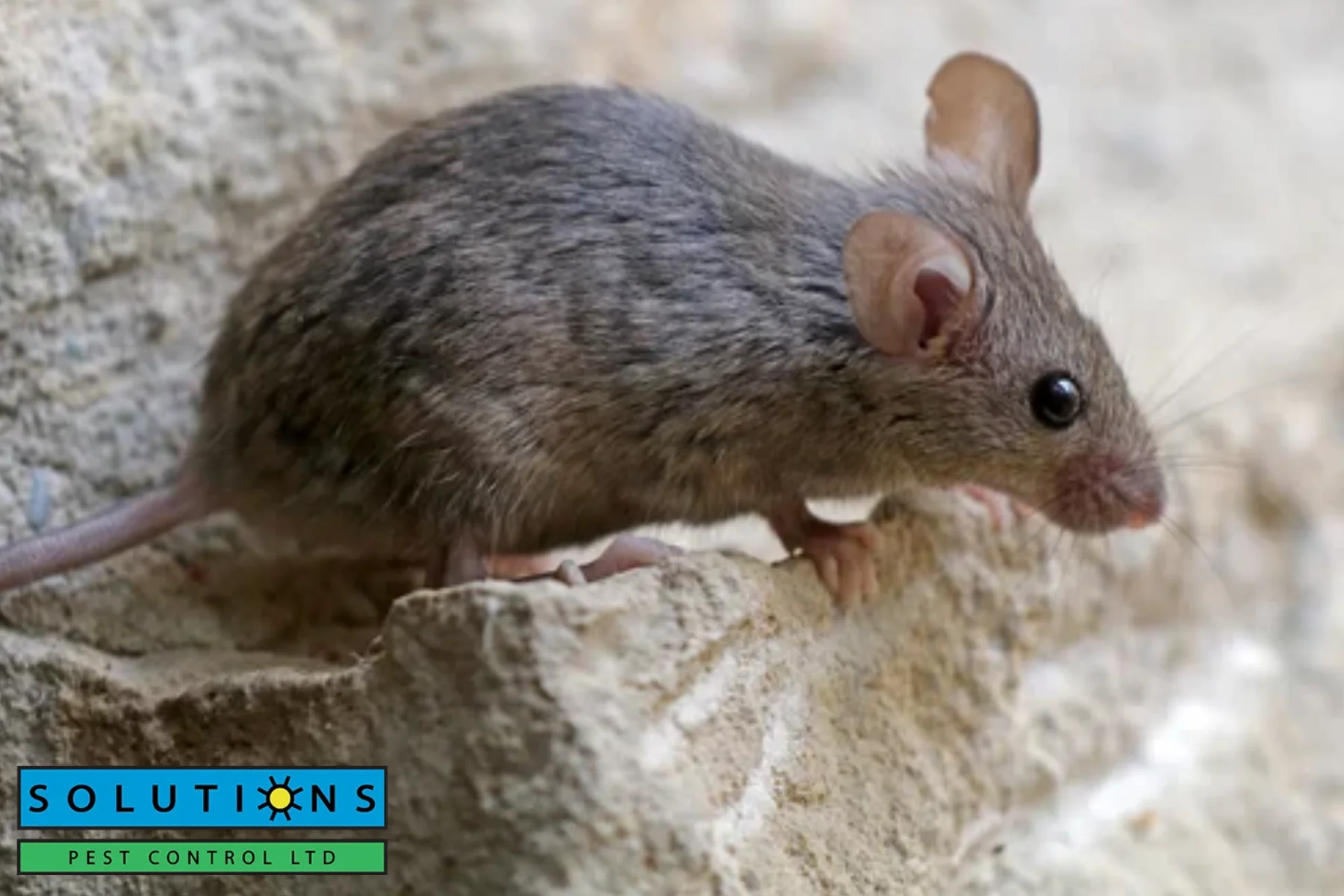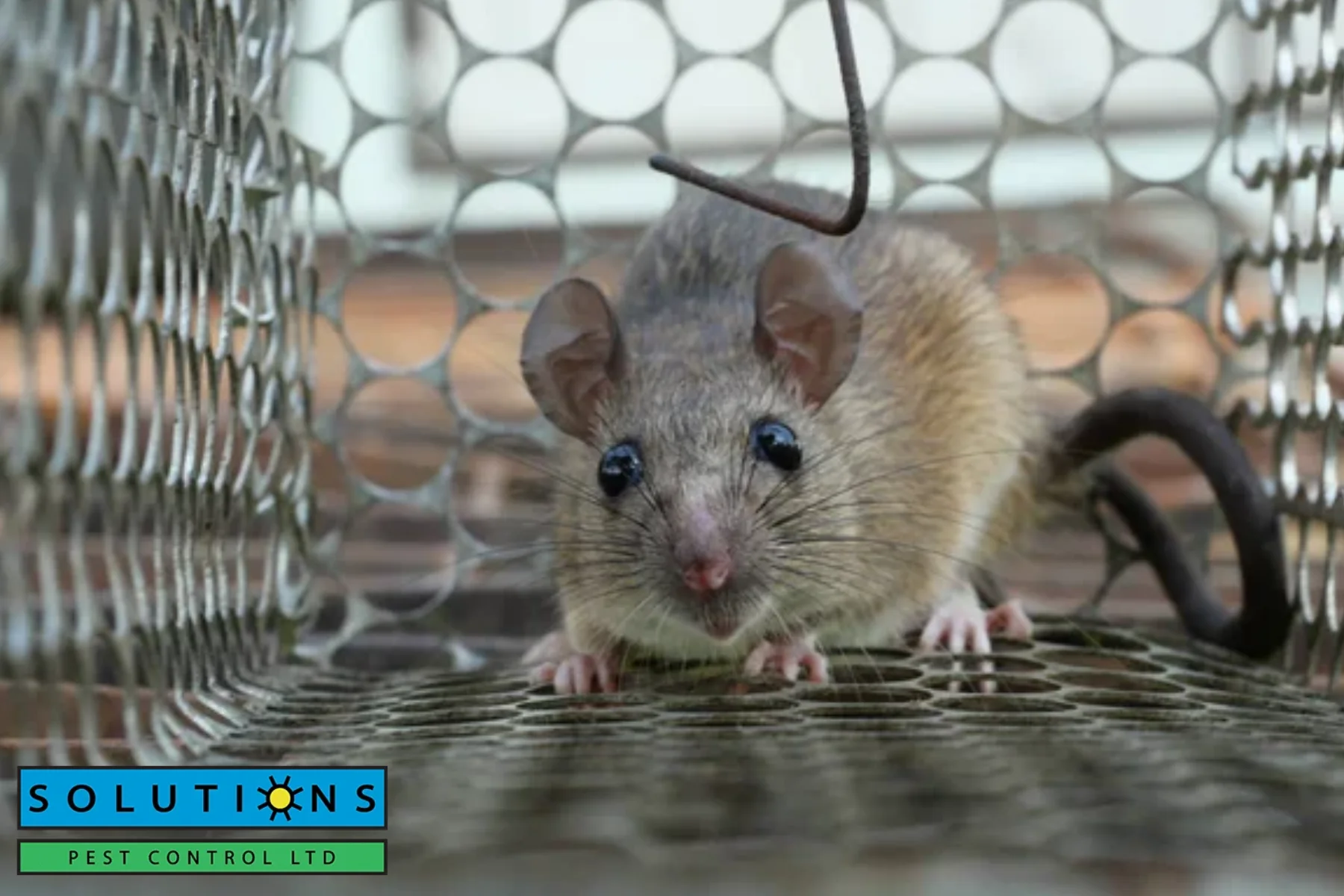


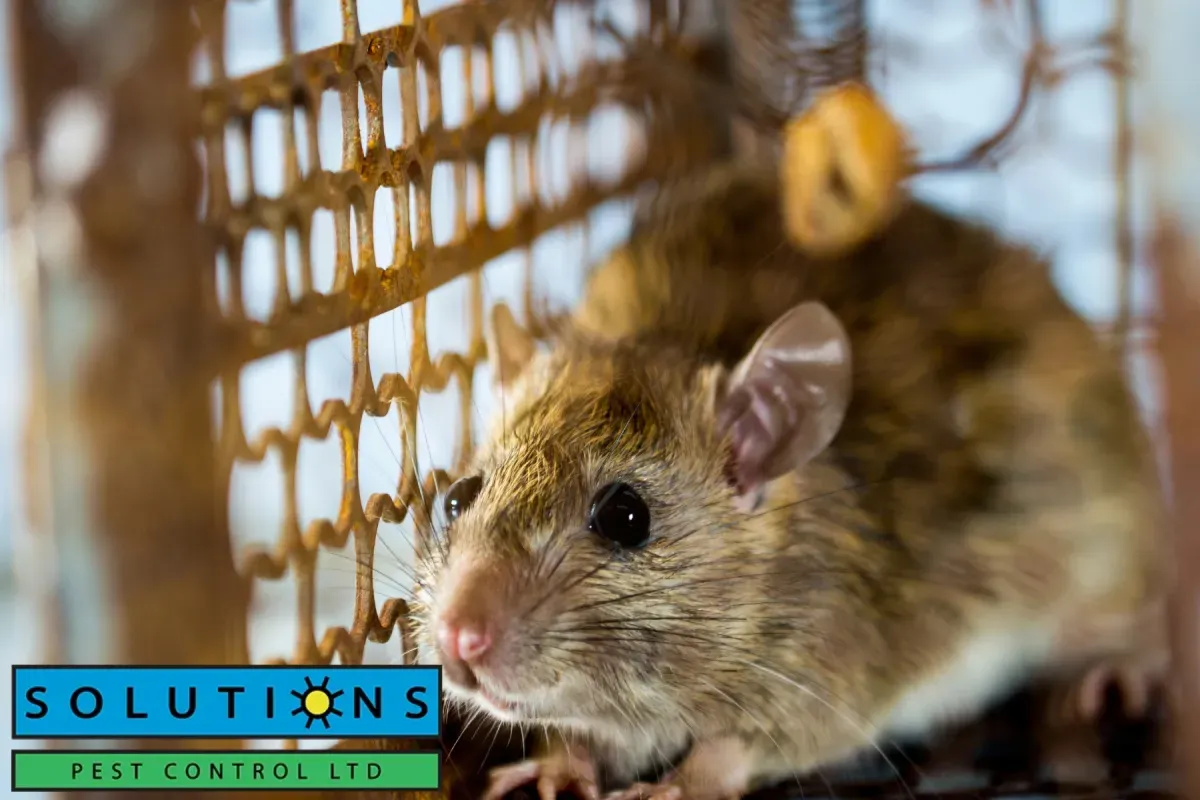

To locate and seal hidden structural entry points to keep rodents out, you must systematically inspect your property from the ground to the roofline for any gaps larger than one-quarter of an inch. Permanently blocking these pathways requires using heavy-duty, bite-proof materials such as galvanized steel mesh and concrete patch instead of soft materials like foam or caulk. This defensive approach stops mice and rats from chewing their way into your home’s infrastructure.
Finding signs of mice or rats around your home can cause immediate frustration. Property owners often spend hours setting traps or buying retail items, only to find that the pests keep coming back week after week. The truth is that trapping alone never solves the root problem if your building’s exterior remains full of open pathways. To achieve a real fix, you must know how to locate and seal hidden structural entry points to keep rodents out.
Rats and mice are exceptionally resourceful critters, taking advantage of any opportunity to scurry through even the smallest crack or opening of your home. Because their skeletal systems are incredibly flexible, they can squeeze through shockingly small gaps around your property. Once inside, they cause structural damage and spread dangerous bacteria that can contaminate food sources, making professional rodent control an absolute necessity.
Rodent Entry Materials: Temporary vs. Permanent Fixes
Choosing the wrong exclusion material is the primary reason do-it-yourself defensive efforts fail. Rodents possess specialized incisors that grow continuously throughout their lives, forcing them to gnaw on hard objects to keep their teeth sharp. Soft construction materials offer zero resistance against these powerful teeth.
| Material Type | Common Examples | Rodent Resistance Level | Long-Term Effectiveness |
| Temporary / Ineffective | Standard expanding foam, latex caulk, plastic netting, rubber weatherstripping, wood trim blocks | Low (Mice and rats can chew through these soft barriers in a matter of minutes) | Lasts only weeks; fails as soon as animals detect interior heat or food smells. |
| Permanent / Heavy-Duty | Galvanized hardware cloth (1/4-inch mesh), stainless steel wool, copper mesh, sheet metal flashing, hydraulic cement | High (Strong metallic properties are completely impervious to rodent teeth) | Lasts for years; physically blocks entry and withstands continuous gnawing attempts. |
Many well-meaning homeowners grab a can of standard expanding foam from the local hardware shop to fill a hole in their foundation. While foam fills the space visually, it contains tiny air bubbles that rodents easily tear apart with their claws and teeth. To establish professional-grade Coquitlam pest control, you must back up any filler material with a rigid, metallic mesh that physically stops teeth from breaking through.
Step-by-Step Protocol to Locate Hidden Rodent Openings
Finding every potential entry path requires a slow, careful look at your property’s exterior. Rodents are opportunistic and will use any architectural flaw to their advantage. Follow this systematic progression to uncover their hidden pathways before they cause internal damage:
- Conduct a Low-Angle Flashlight Inspection: Walk the interior and exterior perimeter of your foundation during evening hours. Hold a high-lumen flashlight parallel to the wall surface to cast long, distinct shadows over tiny cracks, settling fissures, or gaps in the siding.
- Examine All Utility Penetrations: Check the exact points where plumbing pipes, electrical conduits, HVAC coolant lines, and gas mains enter your building structure. Builders often leave large gaps around these pipes behind the exterior decorative plates.
- Audit the Roof Line and Eaves: Use a secure ladder to inspect the intersections of roof peaks, soffits, fascia boards, and ridge vents. Roof rats are excellent climbers and exploit rotted wood or unmeshed ventilation caps to access warm attics.
- Identify Biological Tracking Signs: Search for dark, greasy smudge marks left along baseboards, clean rub lines on dusty pipes, concentrated droppings, and shredded insulation debris pushed out of wall cavities.
During a recent property audit for a residential home in Coquitlam, our team found that rats were using a tiny gap behind a ground-level gas line to enter the crawlspace. This shows why checking utility lines is so important. Homeowners looking for dependable pest control in Coquitlam should always start with a deep structural inspection rather than relying solely on surface trapping.
Debunking the Myth: “If I Don’t See Rats, Small Gaps in the Foundation Don’t Matter”
A critical misconception among property owners is that minor cracks or architectural weep holes do not pose an immediate threat if large rats have not been spotted around the yard. Many believe that small gaps are harmless entryways that only insects can use.
The Reality: A young mouse can compress its skeletal system to slip through a gap as small as a dime, while a juvenile rat can easily breach an opening the size of a quarter. Furthermore, rodents are highly sensitive to micro-airflow currents escaping your home. When warm interior air vents through an unsealed foundation crack, it acts as a literal beacon for cold outdoor animals. Rodents will follow the thermal draft to its source and use their powerful teeth to enlarge the microscopic opening until they gain complete entry to your crawlspace or walls.
Failing to address these minor flaws is the main reason homeowners deal with recurring seasonal infestations. Securing your structural foundation blocks these entry points before the winter weather drives outdoor wildlife toward your warm building.
Applying our Specialized Systems to Secure Your Property
Rather than relying on superficial, temporary fixes that fail within a few weeks, our framework focuses on absolute structural exclusion. At Solutions Pest Control, we combine structural repair knowledge with animal biology to deliver a permanent defensive shield for your property.
Quality rodent management solutions
Our complete inspection, identification, and structural proofing system is engineered to isolate your home from invasive wildlife permanently.
Latest pest removal methods and products
A modern suite of eco-responsible tools, including high-grade galvanized metals, fiber-reinforced concrete mixes, and low-impact tracking systems that handle infestations safely.
Use of traps, poison, and exclusion
A carefully balanced, professional approach that integrates mechanical tools, secure baits when necessary, and heavy-duty structural barriers to clear out active pests while stopping new ones from entering.
All-encompassing, long-term solution
A multi-layered strategy that looks at your entire property from foundation to roof, fixing existing damage and addressing structural weak spots to keep your space clean for years to come.
By bringing together these professional materials, our team builds a tough defense that protects your home without relying on heavy surface residues or changing your daily routine.
People Also Ask
How do I know if a rodent entry point is currently active?
Active entry points usually feature fresh, dark, soft droppings, clean rub marks from the grease on their fur, or a strong ammonia scent. You can also perform a “dust test” by sprinkling a light layer of baby powder or talcum powder near the suspected opening. Check the area the next morning for tiny footprint tracks to confirm active animal movement.
Should I seal up exterior entry holes as soon as I find them?
No, you should never seal all entry points immediately if you have an active infestation inside the building. Sealing the holes without an active trapping strategy can trap live animals inside your walls. This forces them to chew new holes through your interior drywall to escape or causes them to die within the structural voids, creating severe odor issues and biohazards.
Do electronic ultrasonic pest repellers keep rodents away from foundation gaps?
No, widespread scientific studies have proven that ultrasonic pest devices do not provide effective, long-term rodent deterrence. Animals adapt incredibly fast to consistent background sounds, and high-frequency sound waves cannot penetrate structural walls, heavy furniture, or thick insulation where pests prefer to tunnel and nest.
Conclusion & Next Steps
Selecting the correct treatment strategy requires an accurate initial diagnosis. Property owners searching for an experienced exterminator in Coquitlam deserve reliable, expert service that protects their property value and keeps their loved ones safe. During a structural assessment for a local business in Coquitlam, our team successfully identified and sealed three hidden utility gaps, stopping a recurring rat issue that had bothered the owners for months.
As a professional team committed to delivering high-quality pest control, Solutions Pest Control is here to bring you lasting peace of mind. We focus on customer care and environmental safety, ensuring that every service we perform matches your unique structural needs. Our technicians undergo continuous education to stay ahead of industry standards, providing approachable, expert advice you can trust.
Reclaim Your Peace of Mind Today
Do not wait for a minor structural gap to turn into an expensive pest problem. Contact us today to request your personalized quote or book an expert inspection.