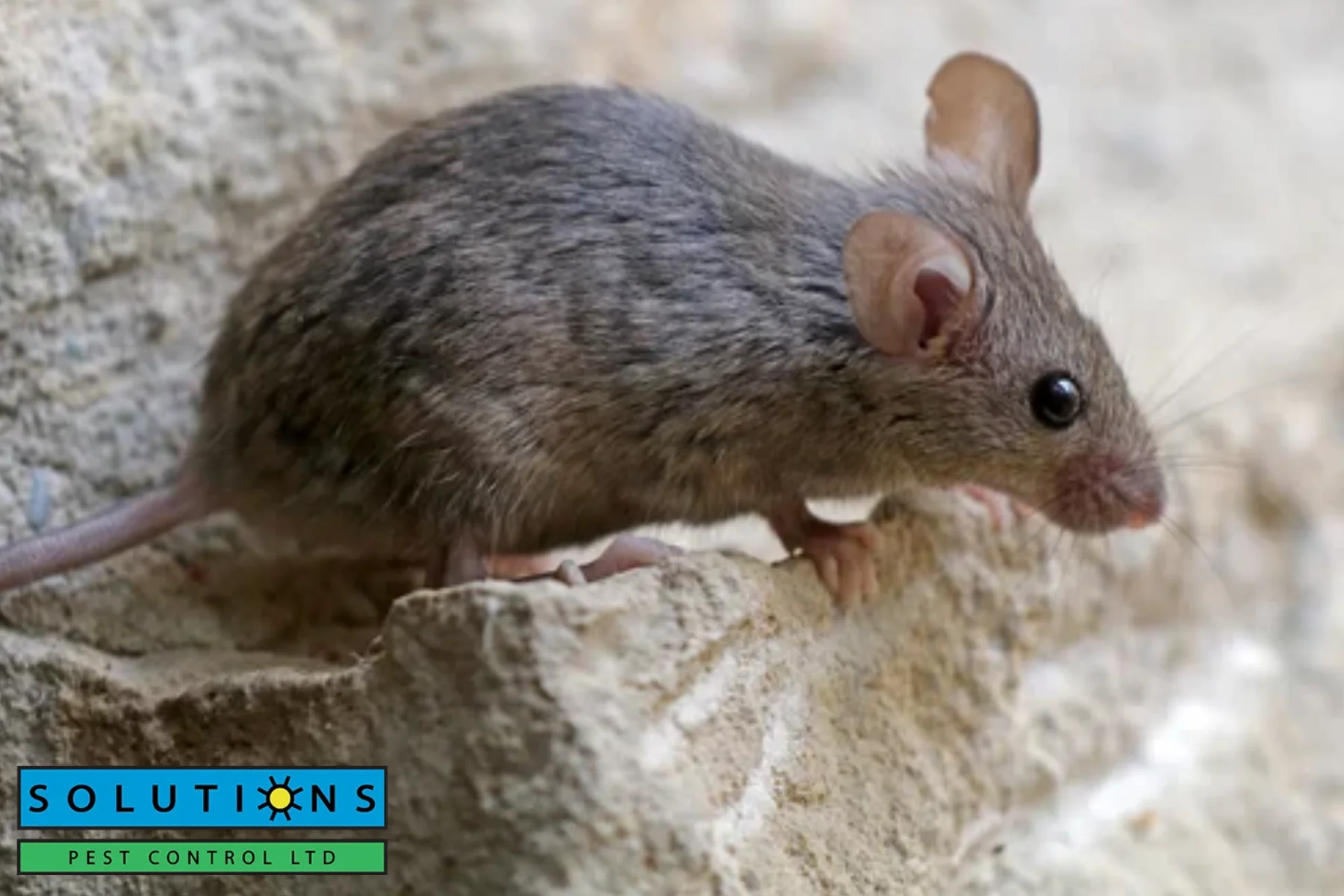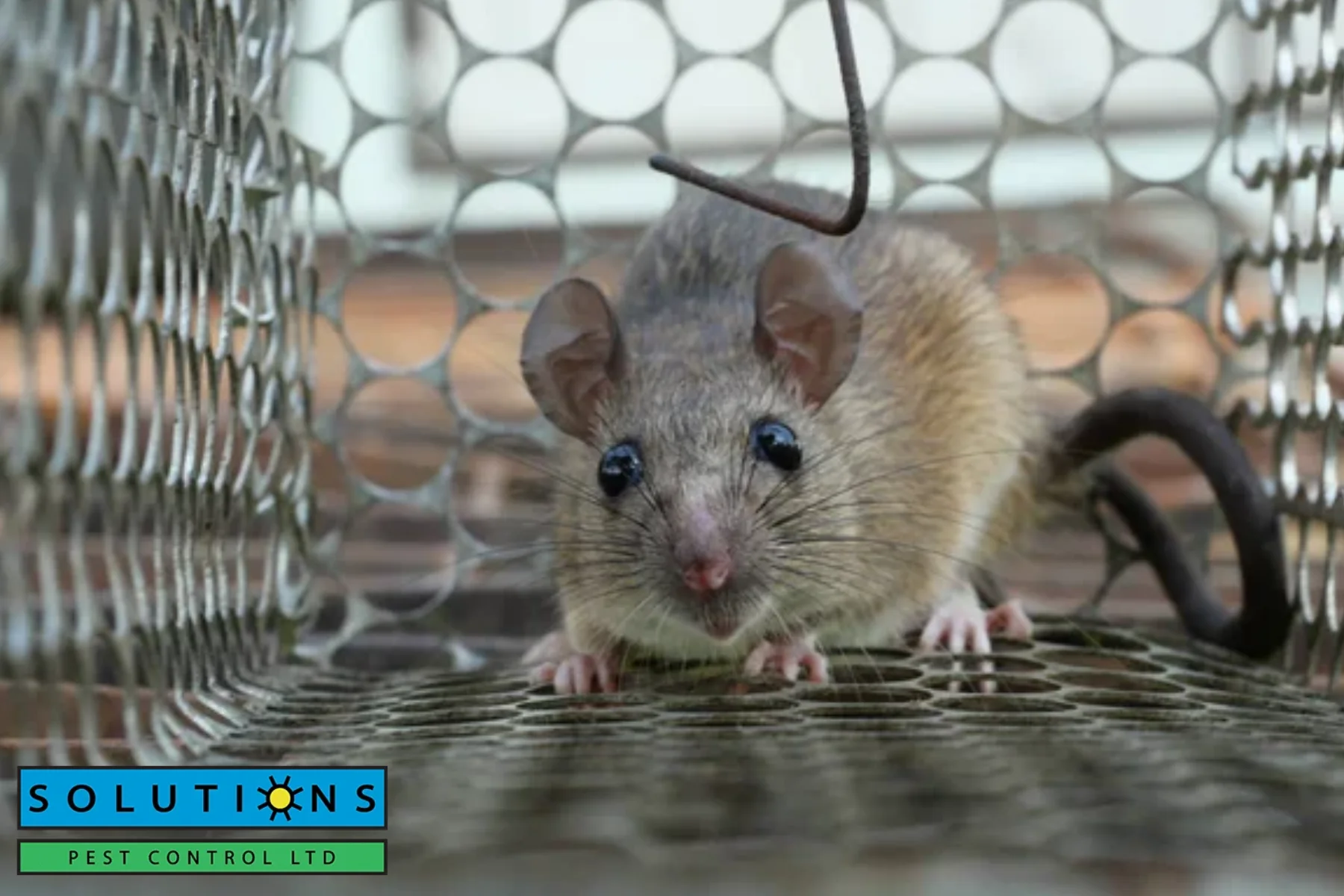



You can tell a rodent baiting program is working if you observe “shaved” or gnawed bait blocks, a decrease in fresh droppings, and a change in scratching patterns from frantic to sluggish. Hearing noise for 3–7 days after the initial application is normal because rodents must consume the bait multiple times before the population collapses.
The sound of claws in the ceiling at 2:00 AM is enough to make any homeowner lose sleep. When you hire a professional to set up a program, you expect immediate silence, but rodent biology doesn’t work like a light switch. Because rats and mice are naturally wary of new objects, a trait called “neophobia”, it takes time for them to accept the bait and for the active ingredients to take effect. Understanding these progress markers will help you feel more confident and secure during the process.
How to Verify Success: Success Markers vs. Activity Signals
Determining if your program is effective requires looking at the bait stations rather than just listening to the wall. Successful baiting is a process of attrition where the population gradually weakens. During a recent audit for a property manager, we found that although the tenant still heard “movement,” the bait stations were 50% consumed, indicating the rodent control program was on the verge of success. This highlights the importance of monitoring progress through the bait stations for a clear indicator of effectiveness.
Comparison: Successful Baiting vs. Failed Intervention
| Indicator | Successful Program | Failed/Inactive Program |
| Bait Appearance | “Shaved” edges or clear teeth marks on blocks. | Bait is dusty, moldy, or untouched. |
| Dropping Quality | Old, grey, and crumbling; no new black piles. | Soft, dark, and shiny (indicates fresh activity). |
| Noise Level | Lethargic, daytime scratching (disorientation). | Frenzied, high-speed nighttime scurrying. |
| Station Traffic | Visible “smudge” marks on entry holes. | Cobwebs cover the station entrance. |
If you are looking for an exterminator in 100 Mile House, BC, ensure they provide a detailed report on these visual markers rather than just refilling boxes and leaving.
3 Visual Signs the Population is Crashing
1. Bait Consumption (The “Take”)
The most definitive sign of success is the physical reduction of bait. Professional bait blocks are manufactured with ridges that make gnaw marks easy to see. Even if you still hear noises, if the bait is being eaten, the rodents are receiving the dose. In areas like 100 Mile House, where winter weather drives rodents indoors, a high “take” rate is the primary step toward a pest-free home.
2. Increased Daytime Sightings
As the bait takes effect, rodents often become disoriented or unusually thirsty. This causes them to break their nocturnal habits and wander into the open during the day. While seeing a rat in your kitchen at noon is alarming, it is a biological signal that the colony’s social structure is failing; they are no longer healthy enough to follow their standard safety rules.
3. Cessation of New Damage
Rodents need a massive amount of energy to gnaw through wood or wires. One of the first signs that 100 Mile pest control is working is the lack of new structural damage. If you no longer find fresh holes in cereal boxes or new chew marks on baseboards, they are likely too weak to continue their destructive foraging.
Our Comprehensive Rodent Management Strategy
At Solutions Pest Control, we don’t just throw bait at a problem; we use a professional and reliable approach that covers the entire lifecycle of an infestation. Our team stands out by offering eco-friendly solutions specifically customized to your property.
- Rat Removal: This is the immediate phase, during which we remove any rodents currently caught in the system to clear the interior quickly.
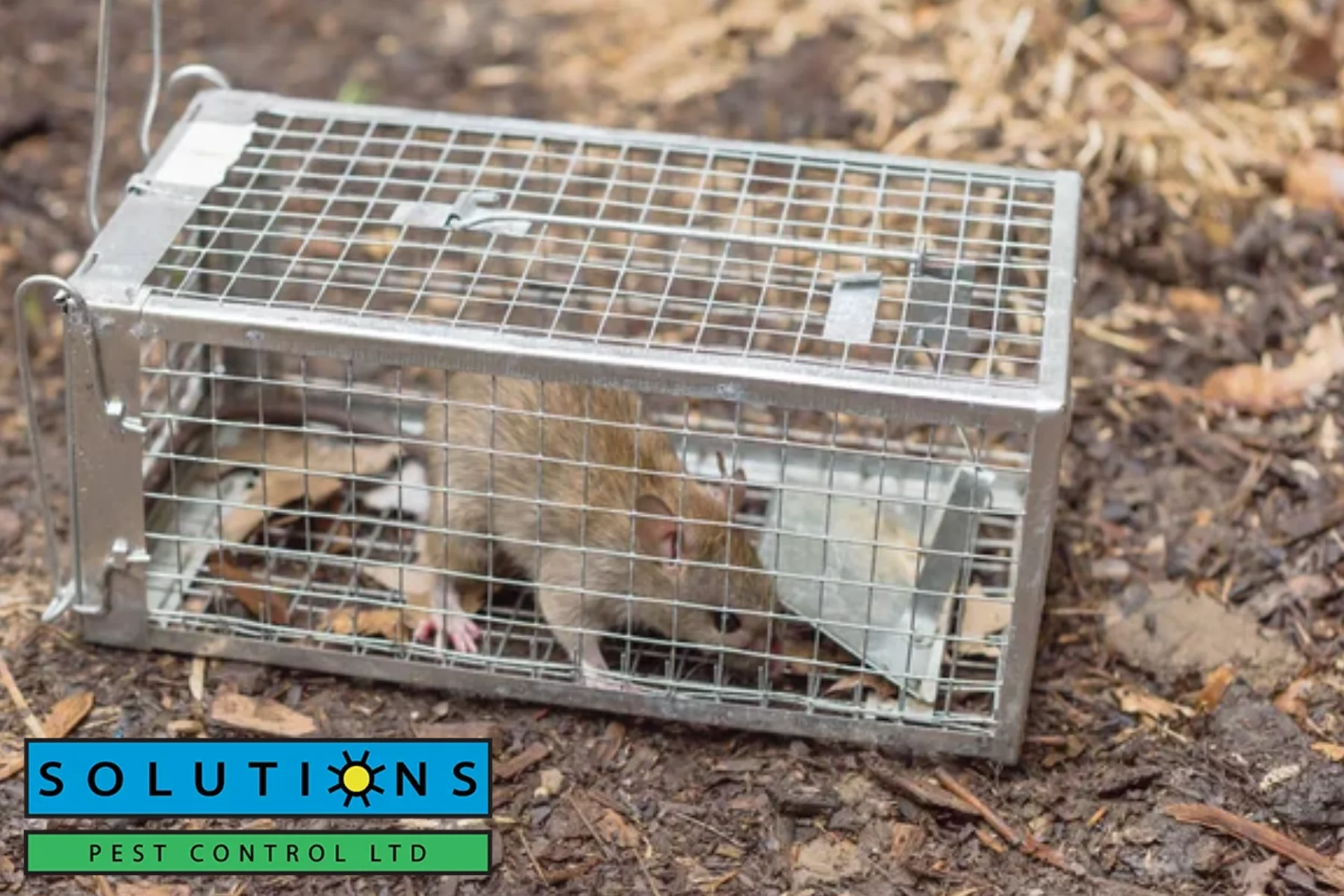
- Rat Trapping: For interior spaces where baiting isn’t ideal (such as food prep areas), we use specialized traps to stop the activity immediately.
- Rat Baiting: This is our primary tool for population reduction. We use high-quality, palatable matrices that rodents prefer over the scraps in your garbage.
- Rat Control Maintenance: Their pressure is year-round. Our maintenance plans involve regular inspections and station refills to ensure a new colony doesn’t move in once the first is gone.
By combining these four pillars, we provide the most effective pest control in 100 Mile House, BC. We aim to be the trusted experts that local residents turn to for long-term results rather than temporary fixes.
Debunking the “Bait Makes Them Die Outside” Myth
A common misconception in the industry is that modern rodenticides are designed to make mice and rats thirsty so they go outside to find water and die.
In reality, there is no “thirst trigger” in professional baits. Rodents may leave because they feel unwell, but many will simply die in their nests. This is why professional placement is so important. When our team performs rat control maintenance, we place stations in areas that intercept rodents before they get deep into your walls. This minimizes the risk of odors and ensures the population is controlled at the perimeter.
Specifications of Professional Baiting
- Anticoagulant Matrices: Formulas that prevent blood clotting, leading to a quiet death that prevents “bait shyness” in the rest of the colony.
- Tamper-Resistant Stations: Tier 1 weighted boxes that keep bait locked away from pets and children while remaining accessible to rodents.
- Internal Securing Rods: Metal pins that prevent rodents from carrying bait blocks out of the station and into your yard.
- Sebum Detection: Technicians look for oily “smudge” marks left by rodent fur to identify the exact runways where stations will be most effective.
People Also Ask (FAQ)
Why do I still hear scratching 3 days after the treatment?
Most professional baits are “slow-acting.” This strategy ensures the entire colony eats the bait before any start to get sick. If they died instantly, the others would learn to avoid the station. Expect total silence within 7 to 10 days.
Will the dead rodents in the walls smell?
While we try to avoid this, there is a small risk. However, because our baits work over several days, many rodents retreat to underground burrows rather than your attic. If an odor occurs, it typically lasts for about a week.
Is the bait safe for my dog?
We use tamper-resistant stations that require a special key. Even if a dog were to eat a rodent that had consumed bait, the risk of secondary poisoning is extremely low with the modern, eco-friendly products we prioritize.
Reassured and Secure with Solutions Pest Control
At Solutions Pest Control, our core belief is delivering high-quality, environmentally friendly pest control. Customer satisfaction is at the heart of our approach, and we strive to ensure each home and business remains pest-free. We want our customers to feel reassured that their problems will be resolved professionally by an experienced team.
We stand apart from the competition by offering tailored, hands-on service. Whether you are a homeowner or a property manager, our experience guarantees results. We know that the safety and cleanliness of your property are your top priorities, and we are here to provide the peace of mind you deserve.
Don’t spend another night listening to scratching in your walls. Please reach out to schedule a service today. Follow us on social media for the latest updates and helpful pest control tips.