




Ant Control Services

Solutions Pest Control is familiar with all the types of ants that live in your neighbourhood, and the problems ants can bring to your home or business.

Local Ant Problems

There are over 20,000 species of ants on the planet. Wow – good thing there is only some 100 or so species in British Columbia. Better yet, there are only a few types of ants that cause problems in homes, restaurants and offices in Metro Vancouver.

Ants primarily reside outdoors and serve as valuable scavengers that aid in maintaining the tidiness of gardens and landscaping. However, some ants can create problems when the otherwise harmless insects invade homes to forage for food.

The likelihood of a home invasion is high in the well-developed Metro Vancouver region, as these ants often prefer to live in a moist, protected spaces with abundant food sources.

Ants live in colonies. Their social structure is highly organized and efficient, with the sole objective of growing their colony. Given a suitable habitat near a food source, say your home or kitchen area, a colony will continue to grow. There is no reason for them to leave unless you make a change.

Most ants commonly found in BC are not aggressive, although some can bite. Ants should be tolerated as much as possible since they cause little damage to the garden. They can even be considered beneficial because they eat other insects like young silverfish and moths.

Certain kinds of ants commonly build nests in or near homes. They become pests when you see unsightly trails of workers throughout your home taking advantage of the various food and moisture sources available. Homeowners with infestations can even report flying ants during mating season.

Ant Removal Services

Species known to invade homes in BC include the:

Little Black Ant
Thief Ant
Odorous House Ant
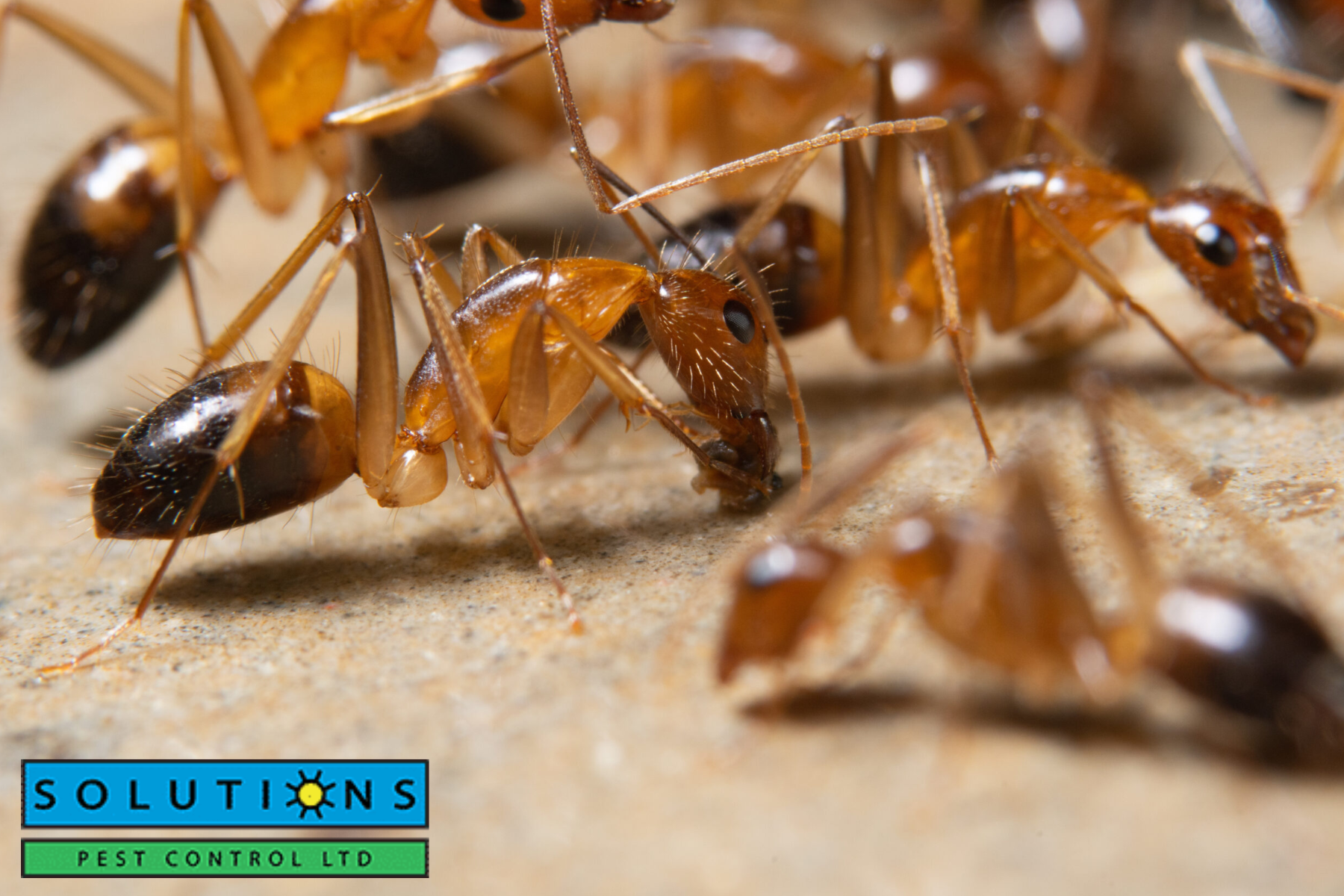
Pharaoh Ant

Pavement ants can become a nuisance in lawns, gardens, and pathways, as well as indoors.

Our local household ants create problems by nesting in residential areas, invading homes in search of food, and even causing structural damage to buildings. Learn more about us!

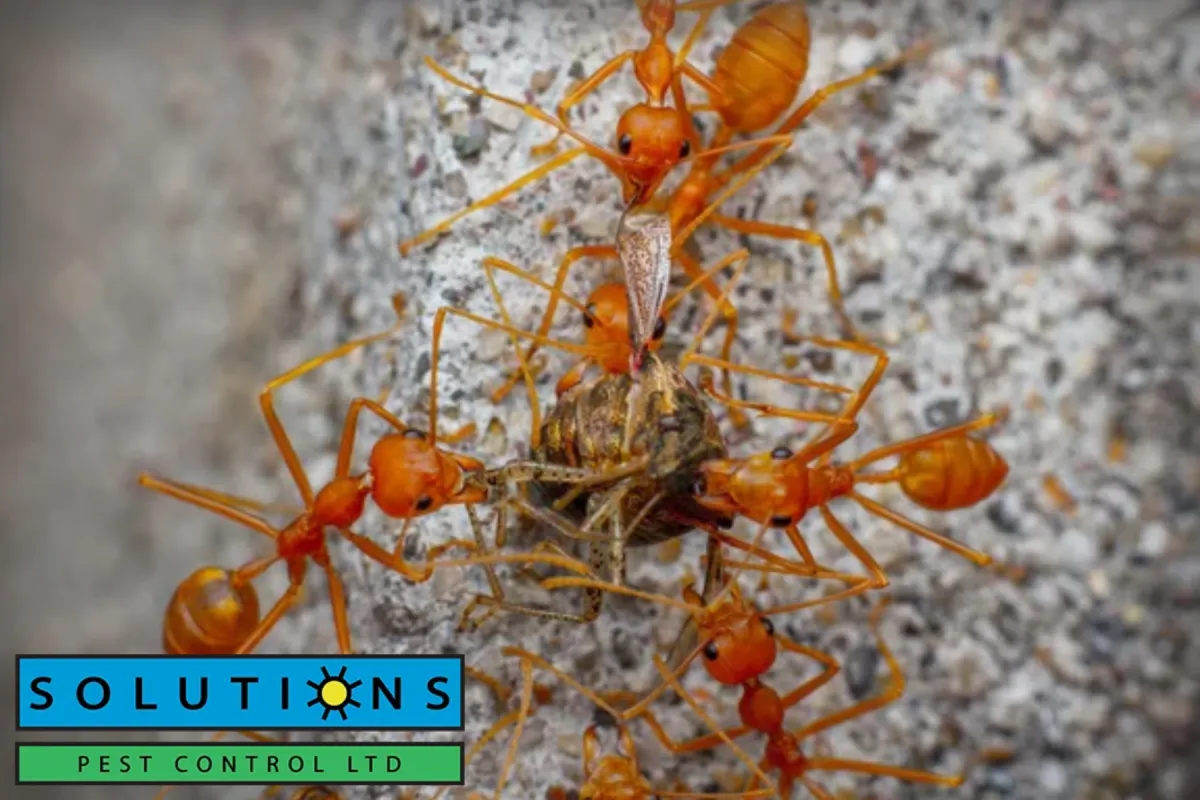
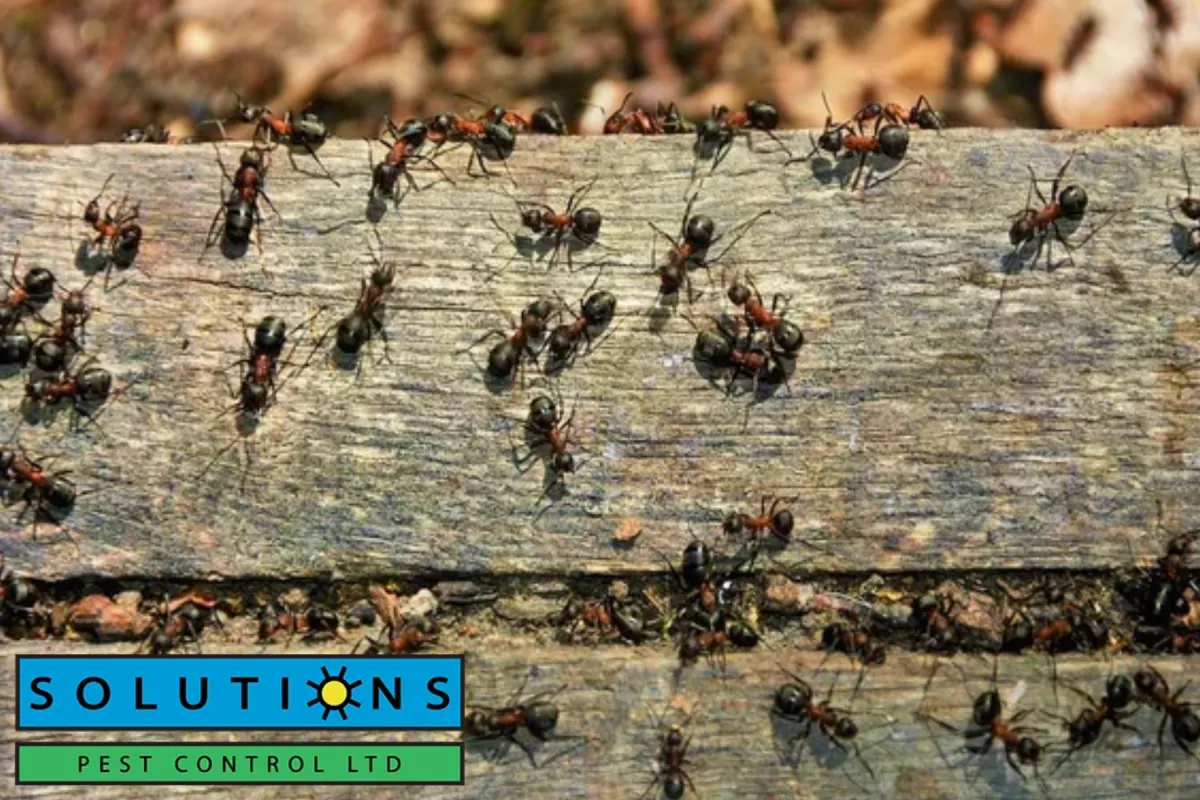
Household ants often travel in large groups to collect food from previously identified sources

Gathering food en masse can contaminate indoor areas where people eat or prepare meals.

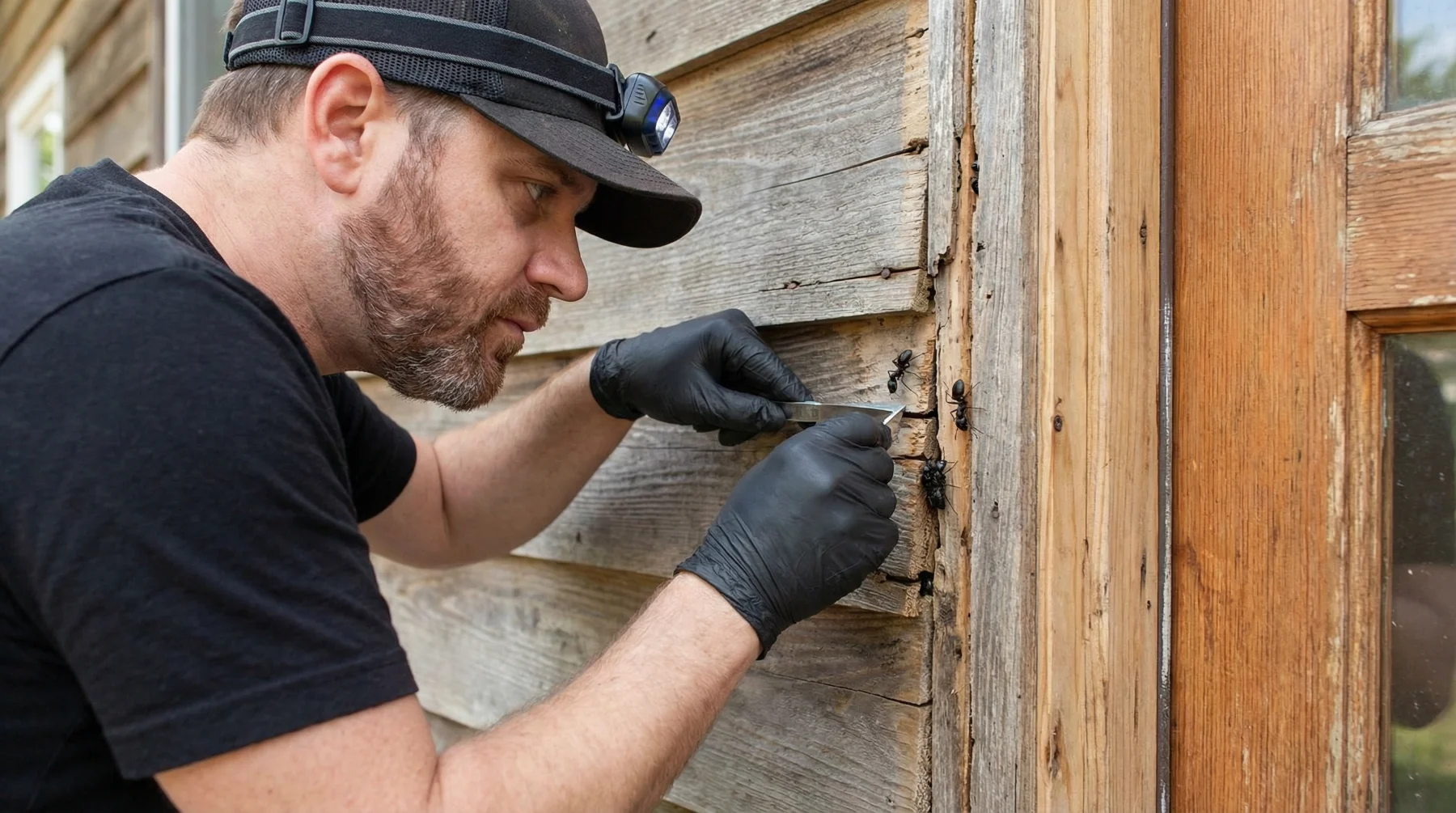
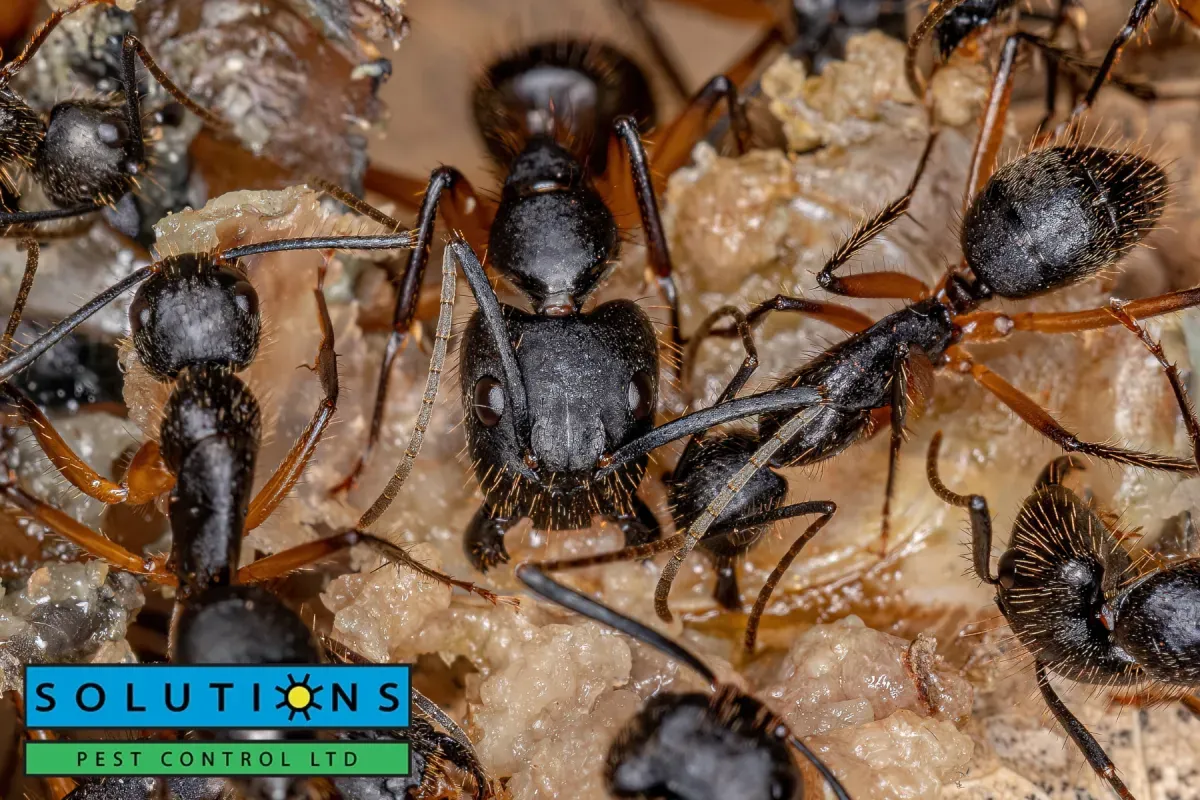
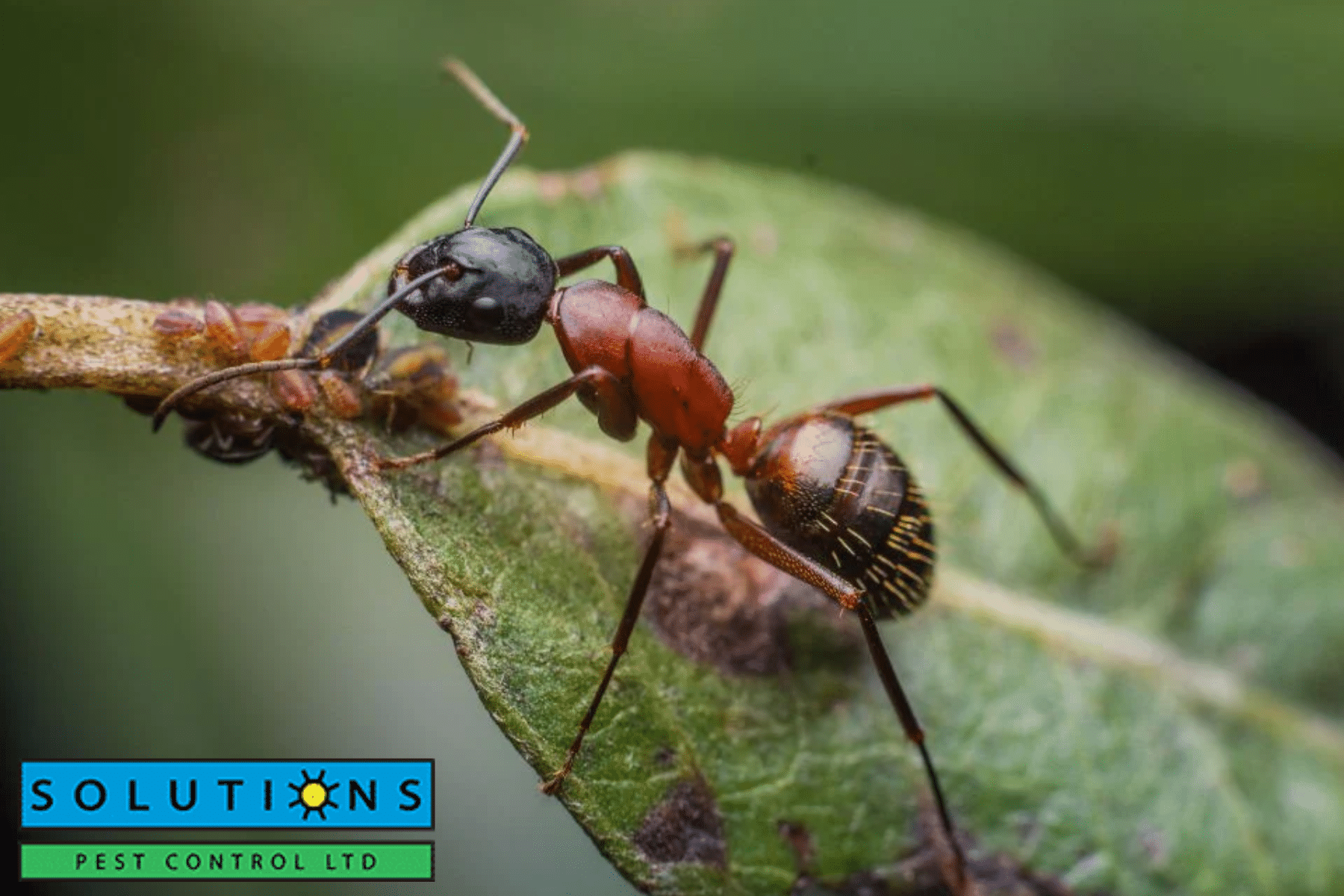
Carpenter Ants do not eat wood; rather, they chew up wood to make nests for their colony.

When collecting food from an indoor source like a kitchen or pantry, the foraging insects may transfer dirt and other unsanitary materials to countertops, shelves, and edible items.

Pharaoh ants can spread several harmful pathogens, including Salmonella spp., Staphylococcus spp., and Streptococcus spp, producing severe health concerns to you and your family

Identify Your Pest Ants

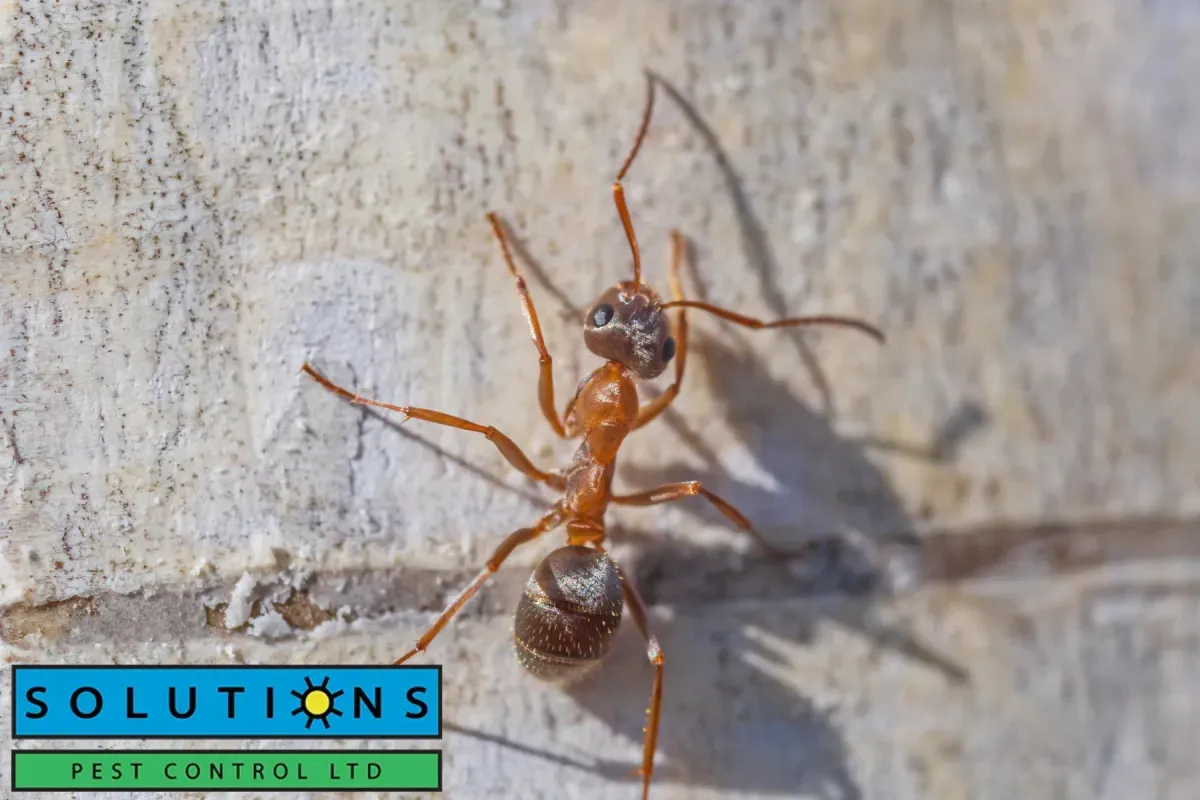
Although the different types of ants in Metro Vancouver share many of the same general traits regarding overall appearance and behaviour, each species retains unique characteristics that affect accurate identification and effective ant control.

Knowing which species has laid claim to your home is crucial to removing them. Don’t wait; the issue will not go away unless you take action. 

From Our Clients

Client Testimonials

Review 1
Review 2
Review 3

Ant Infestation

Signs of Infestation

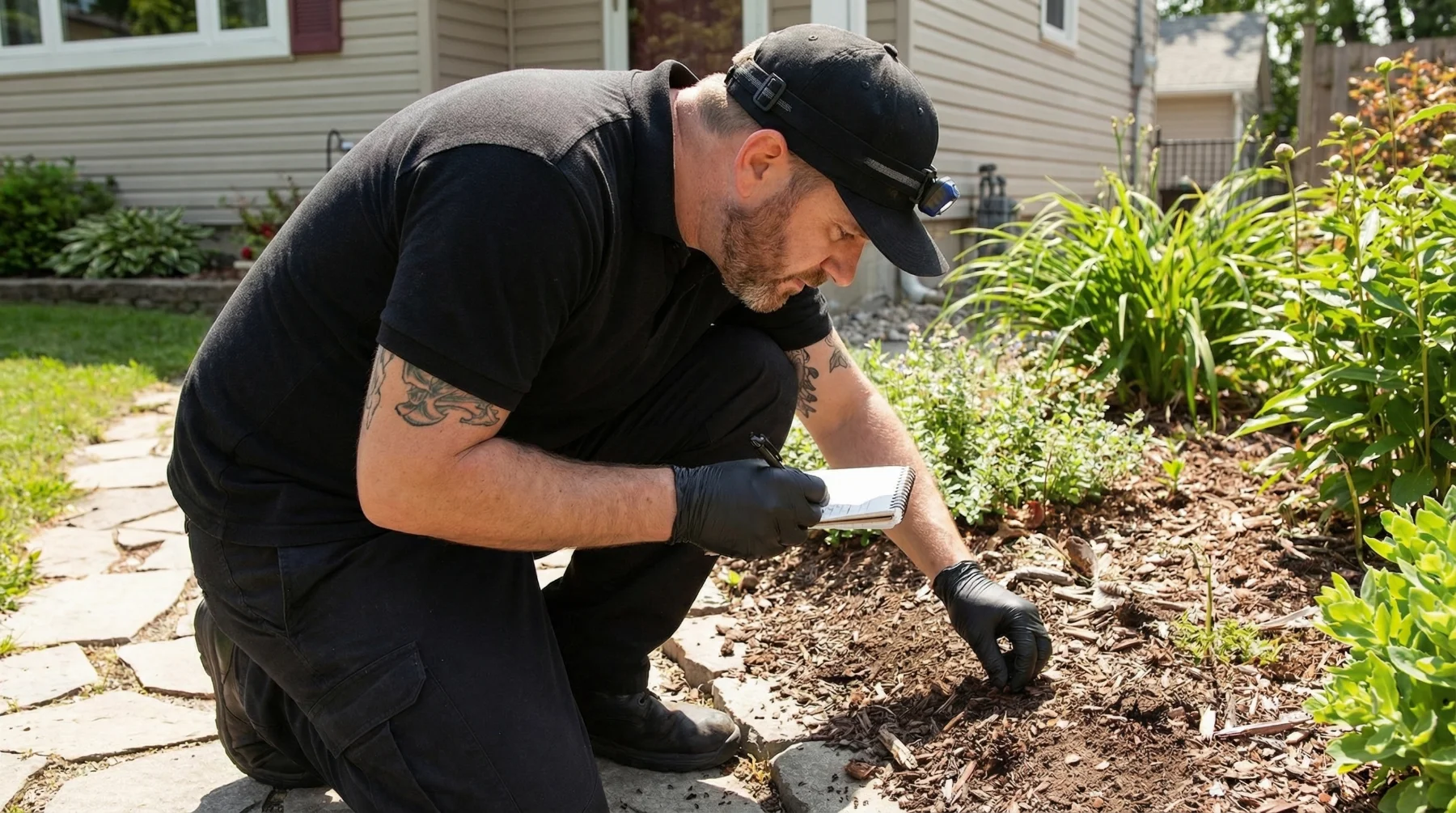
Typical household ants often send individual workers (scouts) from the colony to inspect surrounding areas and locate food sources.

While the presence of a lone ant indoors does not necessarily indicate a nest inside as well, it does signal the existence of a colony in the nearby vicinity.

It also indicates a high probability of hundreds or thousands of ants returning once the scout ant notifies the colony of the food source.

The sight of swarmers, either dead or alive, serves as another sign of a nearby ant infestation. A well-established colony will produce a mating swarm once a year to establish a new nest and grow a new colony.

What Do Ants Eat? – Their Diet

The local household ants are strongly attracted to these types of foods:

  • sugar and sugary foods like honey, soft drinks, and ice cream;
  • honeydew secretions produced by aphids on infested houseplants;
  • greasy foods (like peanut butter or crumbs);
  • protein by feeding on meats and dead insects; and
  • spilled greases and oils.

Where Do Ants Come From? – Ant Reproduction

Ants live in colonies. Their social structure is highly organized and efficient, with the sole objective of growing their colony. You can better understand your ant pest issue by understanding ant behaviour.

Many local ant colonies grow by producing winged males and females called alates/swarmers. At specific times throughout the year, the swarmers leave the colony and mate.

The males die after mating, while the newly established female queens locate a suitable nesting site, shed their wings, and begin to lay eggs. 

Ant larva looks like legless, whitish cylinders hatch from the eggs. They develop into pupae under the care of the queen/other worker ants.

The pupae become adult worker ants (all females) after a few weeks and take responsibility for the safety and development of future eggs, which the queen continues to lay.

While most types of household ants use mating swarms to reproduce, certain species rely on a process called budding.

Ants that reproduce by budding, which means the ants simply divide the colony when it becomes too crowded, with one or more queens leading a group of workers (which carry eggs and immobile larvae) to a new nesting site. 

How can I get rid of ants?

Ant Control Treatments

Ant Control Strategies

The following is a list of strategies we use to assess what should be done to deal with a specific client issue. Other than the Preventative strategies, described below, not every Ant Pest issue should be treated the same.

Prevention strategies can be applied in every household.

Prevention

Removing access to food and water is the easiest way to avoid pest problems.

Physical control

Repair and seal as many visible cracks in the foundation and exterior walls of your house as possible.

Non-chemical products

Natural gum resins can be applied around the base of trees and vines.

Chemical products

Many chemical products can be used by consumers to control ants

Bait systems

Ants gather food and bring it back to the nest to feed ant colony members.

Ant Control Products

If you are a DYI person, you may want to check out the Ant Control products available in our online store.

Certification

Home Owners May Require Residential Applicator Certificate

If you are a homeowner and are planning to use pesticides on your property in British Columbia, you may require a Residential Applicator Certificate under the Environmental Protection & Sustainability Ministry.

Solutions To Your Pest Control Issues

Dealing with ant infestations can be a trying experience. That’s why when you have problems, you need Solutions. Protect your home and your loved ones with professional ant control solutions so that you can enjoy an ant-free home. For more information about the region and its services, visit the City of Vancouver’s Official Website or explore the Wikipedia page for Vancouver.

Our team is ready to solve your pest issues, call Solutions Pest Control today!
Or Schedule a Service Call Now!

BBB Accredited

Why Solutions Pest Control?

We are your local pest control expert. Our friendly pest control techs live and work in your neighbourhood. We are very familiar with the local pest issues and are ready to help. Learn more about us!

DIY Store

DIY Pest Control

If your pest issue is not too big, you may want to try one of these pest control products. Contact us now!

Trusted

Our Guarantee

We will solve your pest problems, and if we can not, we will connect you to the person that can.

– That’s our guarantee to you.

Solution-Pest-Control-Guarantee-Trusted-Since-2009

Read

Ant Control Blog

We gathered the following, most recent Ant Control posts from Solutions Pest Control’s – Bug Blog. These are topical posts we’ve written over the years about ant issues in Metro Vancouver and Whistler Sea-to-Sky corridor area. If your neighbours had these issues in the past, our bug blog posts might be relevant to your concerns today.

There is a great deal of information in our Bug Blog posts, perhaps one will address the pest issues you are experiencing today. Please have a look at our Bug Blog page and give us a call if we can answer any questions.