


Who pays for pest control in a strata building? The answer depends on the source of the infestation, the areas affected, and the responsibilities set out in the strata’s bylaws. In British Columbia, strata corporations are generally responsible for maintaining common property, while owners usually maintain their own strata lots, subject to the Act and applicable bylaws.
The situation becomes more complex when mice, cockroaches, bed bugs, or carpenter ants spread between units. In these cases, the location of the infestation alone may not settle who must arrange or pay for treatment.
For strata owners, council members, and property managers looking for pest control in Vancouver, understanding these responsibilities can help prevent disputes and keep a small pest problem from spreading throughout the building.
Who Is Responsible for Pest Control in a BC Strata?
Responsibility for pest control usually depends on the property involved, the strata’s bylaws, and the circumstances surrounding the infestation.
Here is a general guide:
- Pests in common areas: The strata corporation is generally responsible for maintaining common property, such as hallways, parkades, and shared facilities.
- Pests confined to one strata lot: The owner may be responsible for treatment within the unit, depending on the applicable bylaws and circumstances.
- Pests spreading between units: The strata corporation may need to coordinate inspections and treatment, particularly when pests travel through shared pipes, ducts, walls, or other common property.
- Pests linked to a building defect: The strata corporation may need to address the common property issue that allows pests to enter or spread.
These are general guidelines, not automatic rules for every case. The BC Strata Property Act, the strata plan, applicable bylaws, and the facts of the infestation all matter.
What Does the Strata Property Act Say About Pest Control?
The Strata Property Act does not set out a single rule that assigns every pest control bill to either the owner or the strata corporation. Instead, responsibility is shaped by the Act’s maintenance duties, the strata plan, and the corporation’s bylaws.
Under section 72 of the Act, the strata corporation must generally repair and maintain common property and common assets. Owners also have maintenance responsibilities for their individual strata lots, although bylaws can affect how some duties are divided.
The distinction matters because a pest problem may involve both an individual unit and common property. For example, mice may enter through an opening in the building exterior and later appear inside several units. Treating only the affected units may not address the opening that allowed the mice to enter.
The Province of BC also advises strata corporations and owners to review the strata plan, bylaws, and other relevant documents when deciding who must arrange and pay for repairs and maintenance.
What Happens When Pests Spread Between Strata Units?
Pest problems that affect multiple units are often harder to resolve because the source may not be obvious. Insects and rodents can move through gaps around pipes, wall cavities, service openings, and other parts of a building.
The key questions are where the pests are entering, how they are spreading, and whether the issue involves an area the strata corporation must maintain.
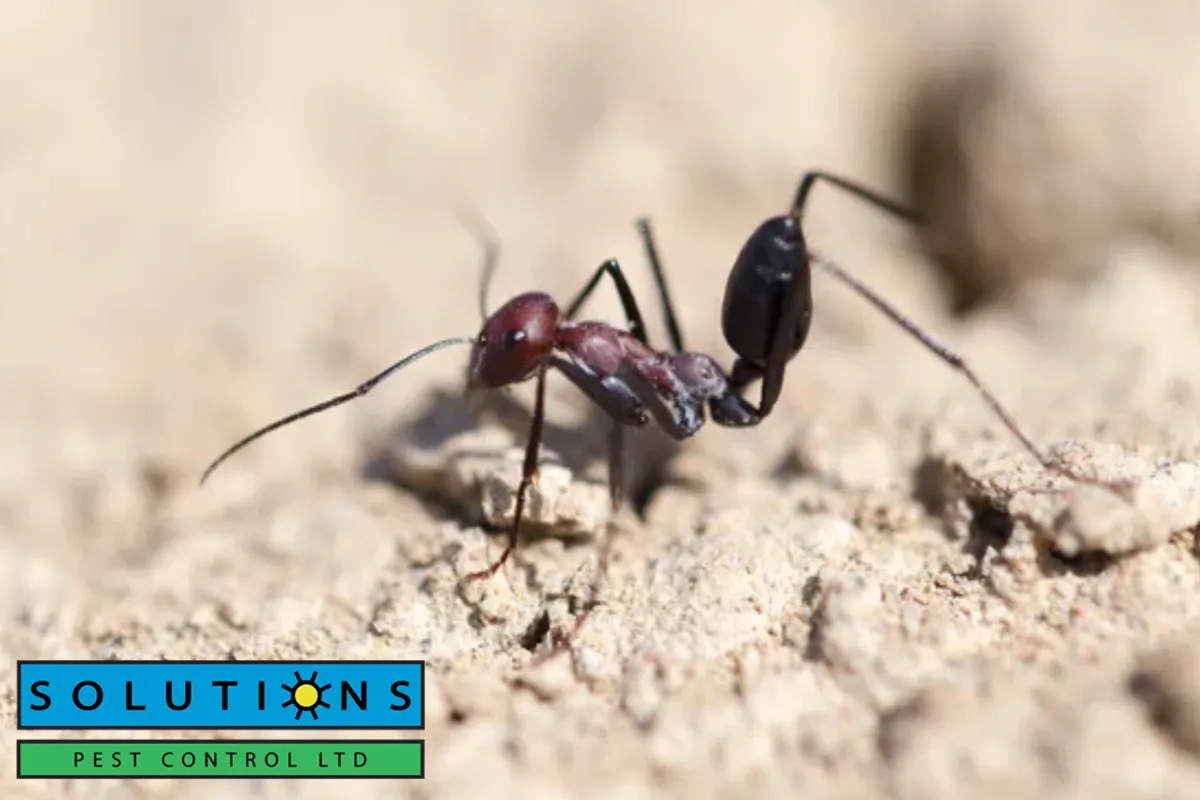
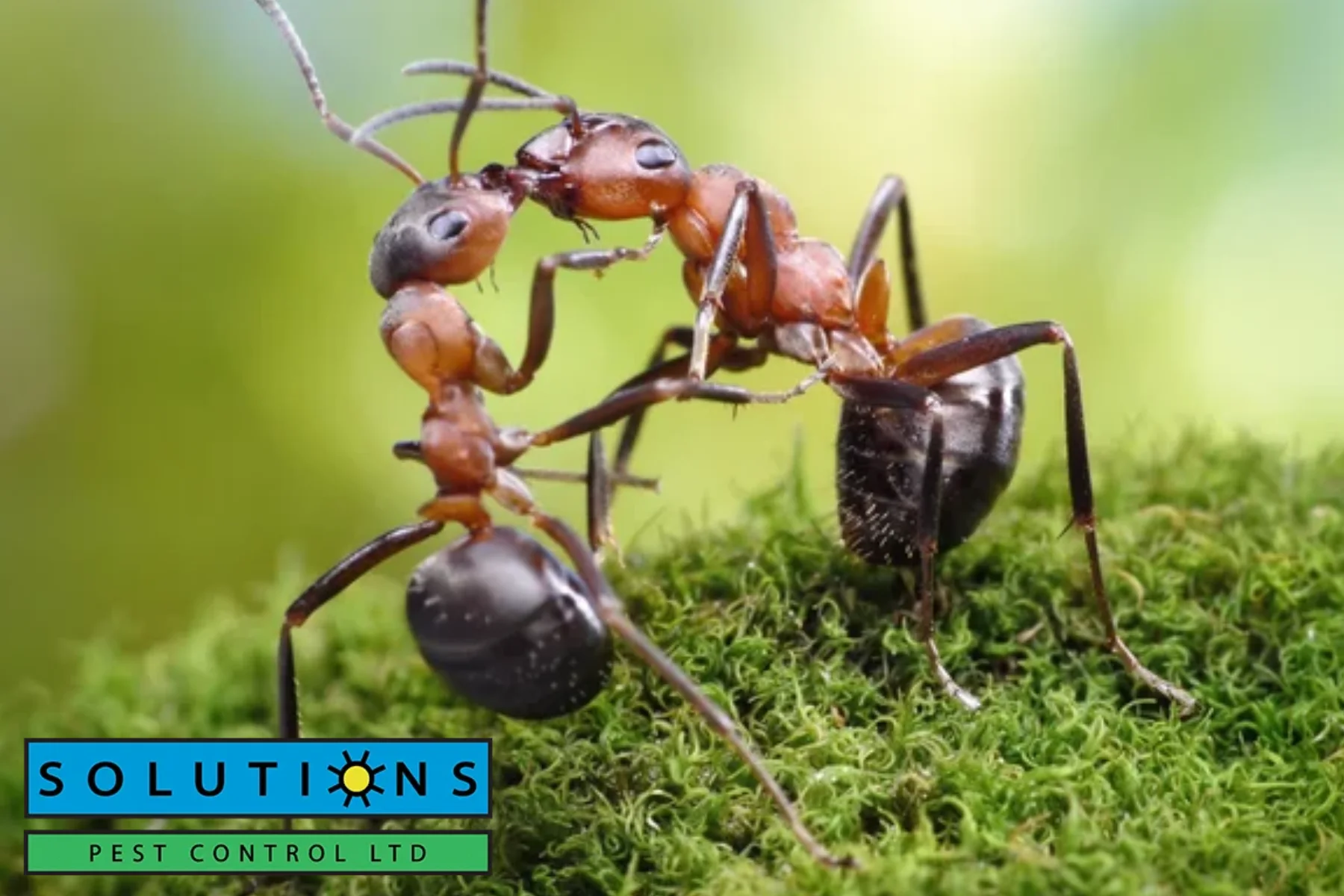
Carpenter Ants Entering Through the Building Exterior
Carpenter ants may enter through gaps in the exterior, damaged wood, or areas affected by moisture. They can also move through wall cavities and other hidden spaces.
If the problem involves a building defect or common property, the strata corporation may need to arrange an inspection and address the underlying issue. If the infestation is limited to a unit, responsibility will depend on the circumstances and applicable bylaws.
Prompt reporting is important. If an owner notices carpenter ants, signs of moisture, or damaged wood, notifying the strata council in writing creates a record of the concern and allows the corporation to investigate.
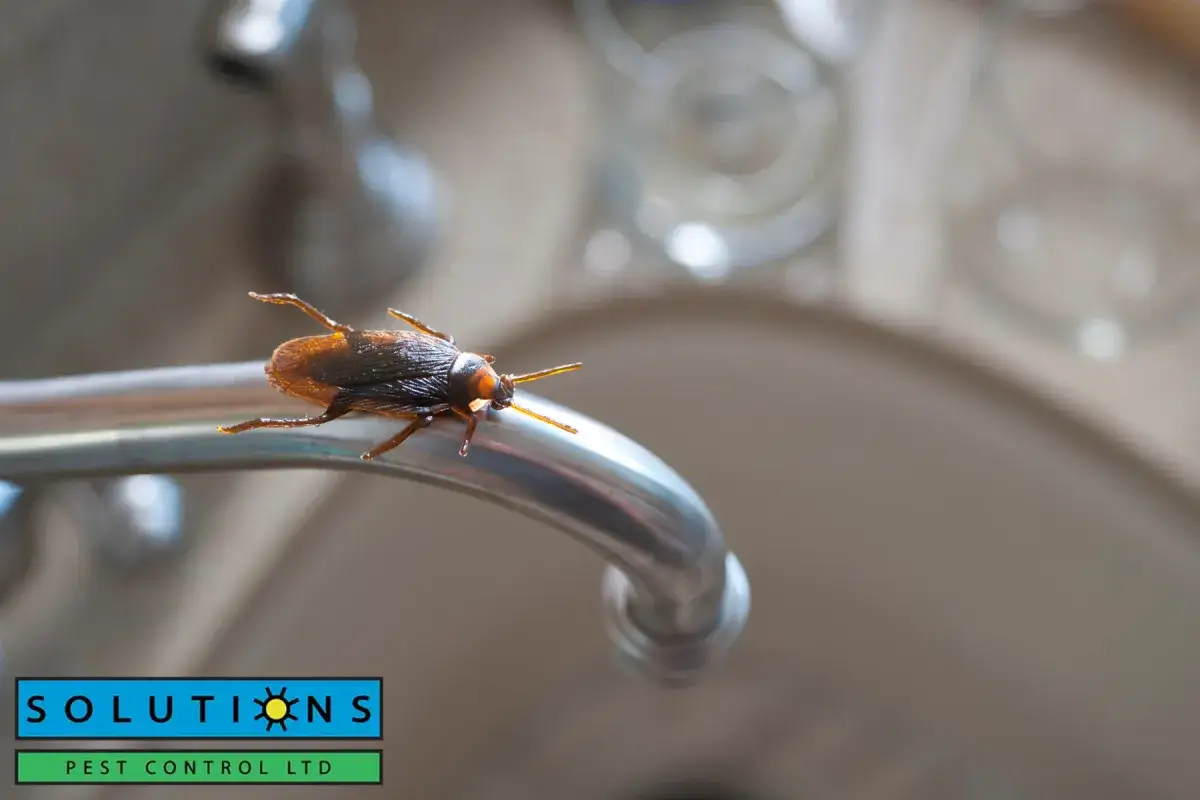
Cockroaches Moving Between Units
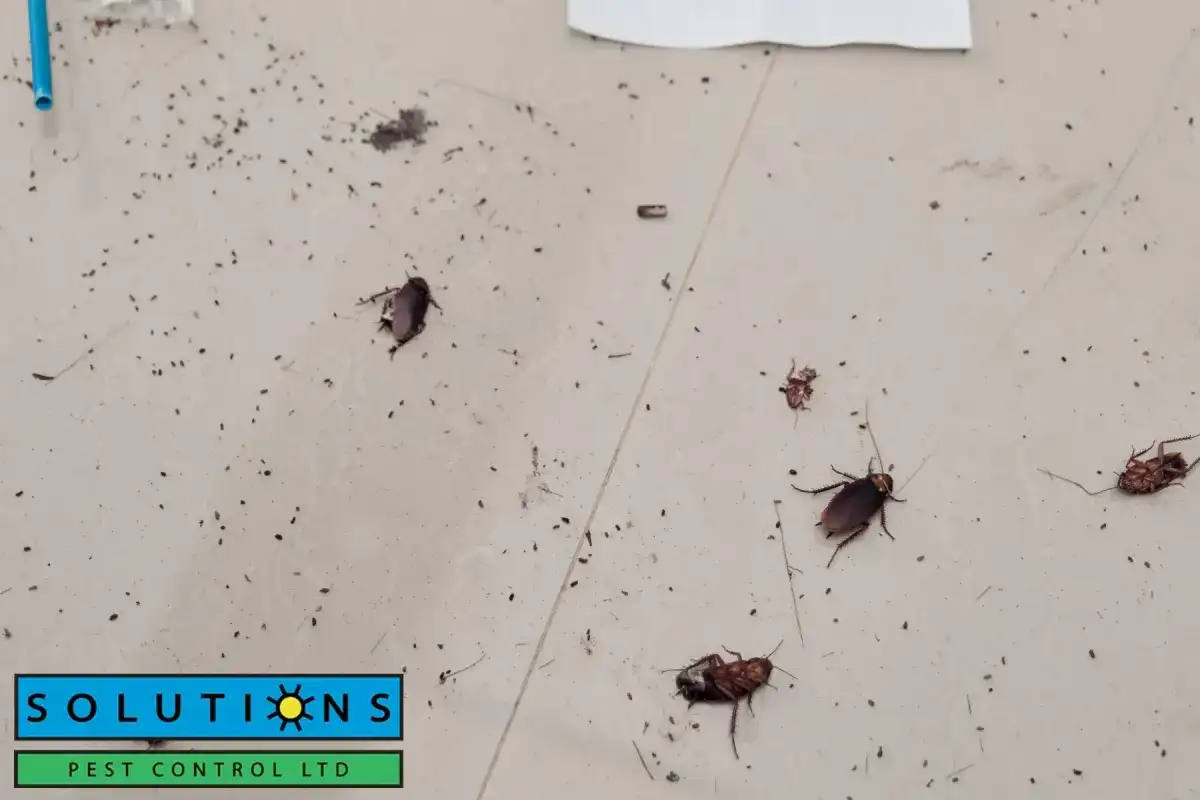
Cockroaches can spread through openings around plumbing, shared service spaces, and gaps between adjoining units. A problem that first appears in one kitchen may eventually affect neighboring homes.
The first unit where cockroaches are noticed is not necessarily where the infestation began. A professional inspection can help identify affected areas and possible routes of movement.
When multiple units are involved, coordinated treatment may be more effective than treating each unit separately. The strata council should review the findings, arrange any necessary work involving common property, and determine cost responsibility under the applicable rules.
Bed Bugs Spreading Within a Building
Bed bugs are often introduced into a unit through luggage, clothing, used furniture, or other belongings. However, they can sometimes spread to nearby units.
An infestation in one unit does not automatically mean the owner must pay every related cost. The source, extent of the problem, applicable bylaws, and any failure to address a known building-wide issue may all be relevant.
Owners and residents should report suspected bed bugs promptly and follow the preparation instructions provided by the Vancouver pest control professional. When several units may be affected, the strata should assess whether coordinated inspection and treatment are needed.
Can a Strata Corporation Require Access to a Unit for Pest Control?
Yes, a strata corporation may have legal grounds to enter a strata lot for certain inspections, maintenance, repairs, or other authorized purposes. However, it must follow the applicable legal requirements and notice procedures.
Section 133 of the Strata Property Act concerns remedies for bylaw or rule violations. It is not, by itself, a general right of entry for pest control. Entry requirements must be assessed under the relevant provisions of the Act and the strata’s bylaws.
Under the standard bylaws, for example, authorized entry for certain maintenance and inspection purposes generally requires reasonable timing and 48 hours’ written notice, except in emergencies. A strata’s filed bylaws may differ from the standard bylaws.
If a resident refuses access and the infestation may affect other units, the strata council should review its authority and follow the proper process. Legal advice may be appropriate before arranging entry without consent.
What If the Strata Council Fails to Address a Pest Problem?
Delaying action can allow a small infestation to spread, increase treatment costs, and lead to disputes among owners.
When residents report pest activity, the strata council should take the concern seriously and keep a clear record of its response.
Recommended steps include:
- Record each report. Note the date, affected unit or common area, pest type, and signs of activity.
- Arrange an inspection. Ask a qualified pest control professional to assess the affected areas and possible sources.
- Review the findings. Determine whether common property, individual units, or both may be involved.
- Coordinate treatment. Where necessary, arrange access to affected units and shared spaces in accordance with the applicable rules.
- Document follow-up. Keep inspection reports, treatment records, notices, and communication with residents.
The strata corporation’s responsibilities will depend on the circumstances, but a documented and timely response helps the council make informed decisions and explain its actions if a dispute arises.
Owners should also report concerns in writing and keep copies of their messages. If a dispute over responsibility or costs cannot be resolved, the parties may wish to seek legal advice or explore the appropriate dispute resolution process.
Why Are Preventive Pest Control Contracts Worth Considering?
Waiting until pests spread across several units can lead to more complicated treatment and higher overall costs. Regular inspections and a clear reporting process can help a strata identify problems earlier.
A preventive pest management program may include:
- Scheduled inspections of common areas and other agreed-upon locations.
- Monitoring for mice, rats, cockroaches, ants, and other relevant pests.
- Written reports that document pest activity and recommended actions.
- Timely follow-up when residents report a new concern.
- Advice on sanitation, waste storage, moisture control, and possible entry points.
- Coordinated treatment when multiple units or common areas are affected.
The right inspection schedule depends on the building’s size, history of pest activity, and specific risks. A preventive contract does not guarantee that infestations will never occur, but it can help the strata respond sooner and maintain useful service records.
For strata councils and property managers seeking pest control in Vancouver, BC, a building-specific plan can help organize inspections, treatment, and follow-up. A qualified provider can assess the property and recommend a suitable approach.
Frequently Asked Questions
Can a strata corporation make me allow pest control into my unit?
A strata corporation may have authority to enter a unit for certain authorized purposes, including specific maintenance or inspection work, subject to the Act and applicable bylaws. Notice and access requirements depend on the circumstances. Section 133 addresses remedies for bylaw or rule violations rather than providing a general right of entry. If access is disputed, the strata should review its legal authority before proceeding.
My neighbor has cockroaches, and they are spreading to my unit. Who pays?
Notify your strata council or property manager in writing as soon as possible. If cockroaches are spreading through common property or shared building systems, the strata corporation may need to arrange an inspection and address the problem. However, responsibility for treatment costs depends on the facts, the applicable bylaws, and the maintenance duties involved. Keep copies of your reports and any responses.
How much does a strata pest control contract cost?
The cost depends on the building’s size, number of units, pest history, inspection frequency, and services included. A program for a small building may differ significantly from one for a large property with recurring rodent or cockroach activity. Request a site assessment and written proposal so the strata council can compare the scope, service schedule, reporting process, and costs before making a decision.
Can a strata corporation bill an owner for pest control?
A strata corporation may be able to recover certain costs from an owner when the Act and applicable bylaws allow it and the required procedures have been followed. However, the strata cannot assume that an owner must pay simply because pests were first noticed in that unit. The source of the infestation, maintenance responsibilities, relevant bylaws, and circumstances surrounding the treatment all matter. Owners who dispute a charge should request the basis for it and consider obtaining legal advice.
Protect Your Strata Building With a Proactive Pest Management Plan
Pest control responsibilities in a BC strata depend on more than where pests are first seen. The source of the infestation, the affected property, the strata’s bylaws, and the response to reported problems can all influence who arranges treatment and who pays.
For strata owners, council members, and property managers, early reporting, thorough inspections, and clear records can help prevent disputes and reduce the risk of a small problem spreading.
If your building needs a more organized approach to pest prevention, Solutions Pest Control can help assess your property’s needs and discuss a suitable treatment and monitoring plan. Professionals can help your strata respond to concerns with a clear process, practical recommendations, and ongoing support.
Protect your strata building with a proactive pest management plan. Contact our team today to discuss tailored pest control solutions that help prevent infestations, protect common areas, and keep your property well-maintained.