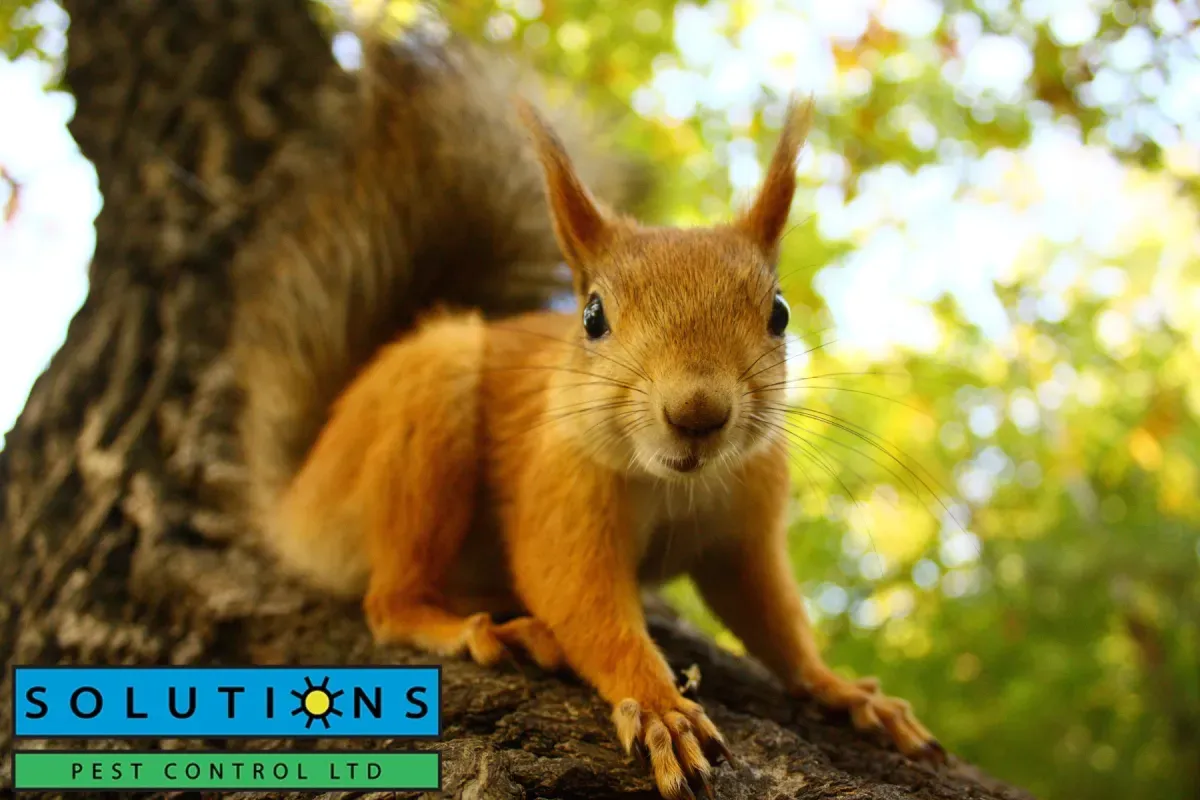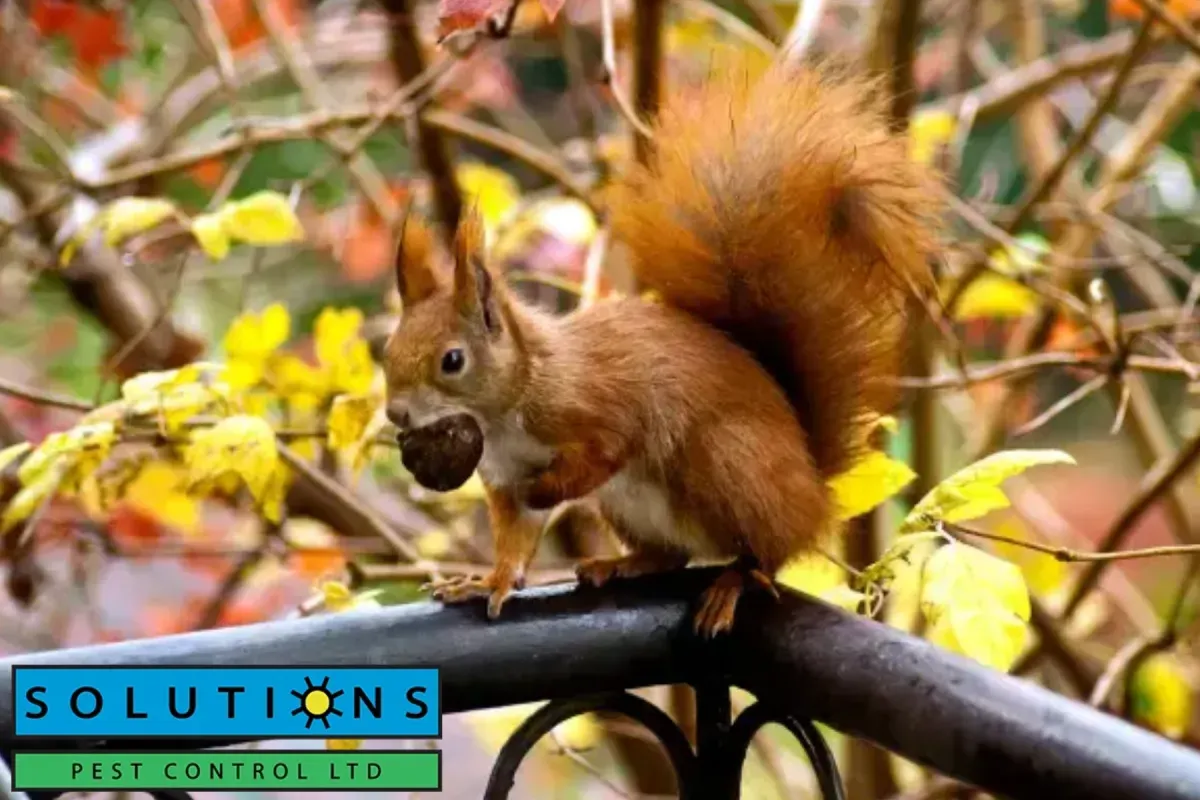



Squirrels in a Metro Vancouver garden can destroy a raised bed faster than you might expect. They dig up bulbs, eat tomatoes before they’re ready to pick, and bury nuts in freshly turned soil throughout the fall. Once they find a reliable food source, they may keep coming back.
Before deciding how to deal with the problem, it helps to know which squirrel you’re seeing. Different species behave differently, and in British Columbia, the type of squirrel can affect which control methods are allowed.
The good news is that you don’t always need traps or professional help to protect your garden. Physical barriers, changes to your yard, and a few simple adjustments can make a big difference. Here’s what works, what doesn’t, and when to consider professional squirrel removal in Vancouver, BC.
What Actually Works to Keep Squirrels Away?
The most reliable way to protect your garden is to block squirrels from reaching the areas where they dig, feed, and nest.
These methods are worth trying:
- Physical barriers: Use hardware cloth or securely fitted garden netting to protect raised beds, bulbs, and vulnerable crops.
- Motion-activated sprinklers: A sudden burst of water can discourage squirrels from visiting a garden.
- Remove food sources: Pick up fallen fruit, secure compost, and reconsider bird feeders that attract squirrels.
- Protect potted plants: Cover exposed soil with suitable mesh to stop squirrels from digging and burying food.
- Inspect your home: Look for roof gaps, damaged soffits, and overhanging branches that may give squirrels access to your attic.
Some popular deterrents, such as ultrasonic devices, fake owls, reflective tape, and strong-smelling repellents, often provide inconsistent results. Squirrels may get used to them, and rain can reduce the effect of scent-based products.
For lasting results, focus on physical barriers and remove the things that keep attracting squirrels to your property.
Know Which Squirrel You’re Dealing With
Two species you may encounter around Metro Vancouver are the native Douglas squirrel and the introduced Eastern Grey squirrel. Identifying the species can help you choose an appropriate response.
Douglas Squirrels
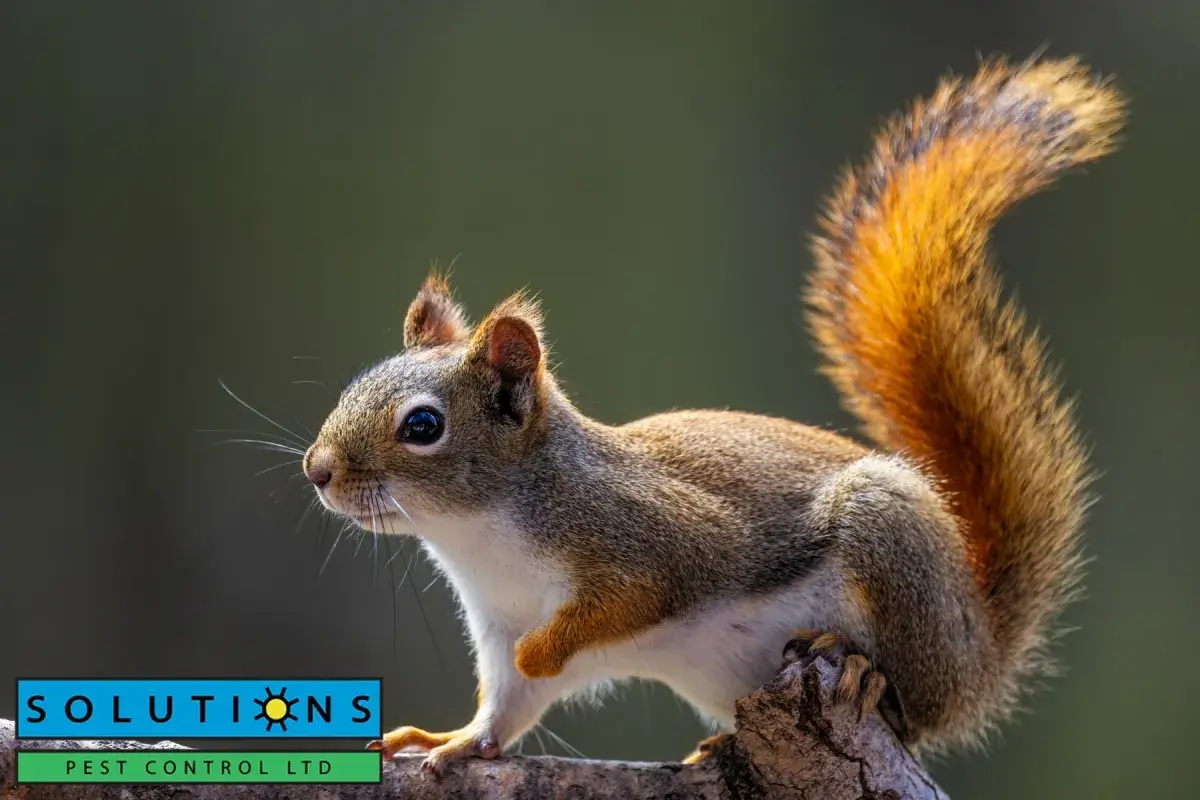
The Douglas squirrel (Tamiasciurus douglasii) is a small squirrel with rusty-brown fur and a lighter belly. It is commonly found in coniferous forests and wooded areas, where it feeds on seeds, cones, and other plant material.
Douglas squirrels may visit residential gardens near wooded areas, but they are generally more closely associated with forest habitats than heavily urban settings.
Because this is a native species, don’t assume that the same rules or control options apply to it as to an introduced squirrel. If you’re unsure which species is visiting your yard, get help identifying it before taking action.
Eastern Grey Squirrels
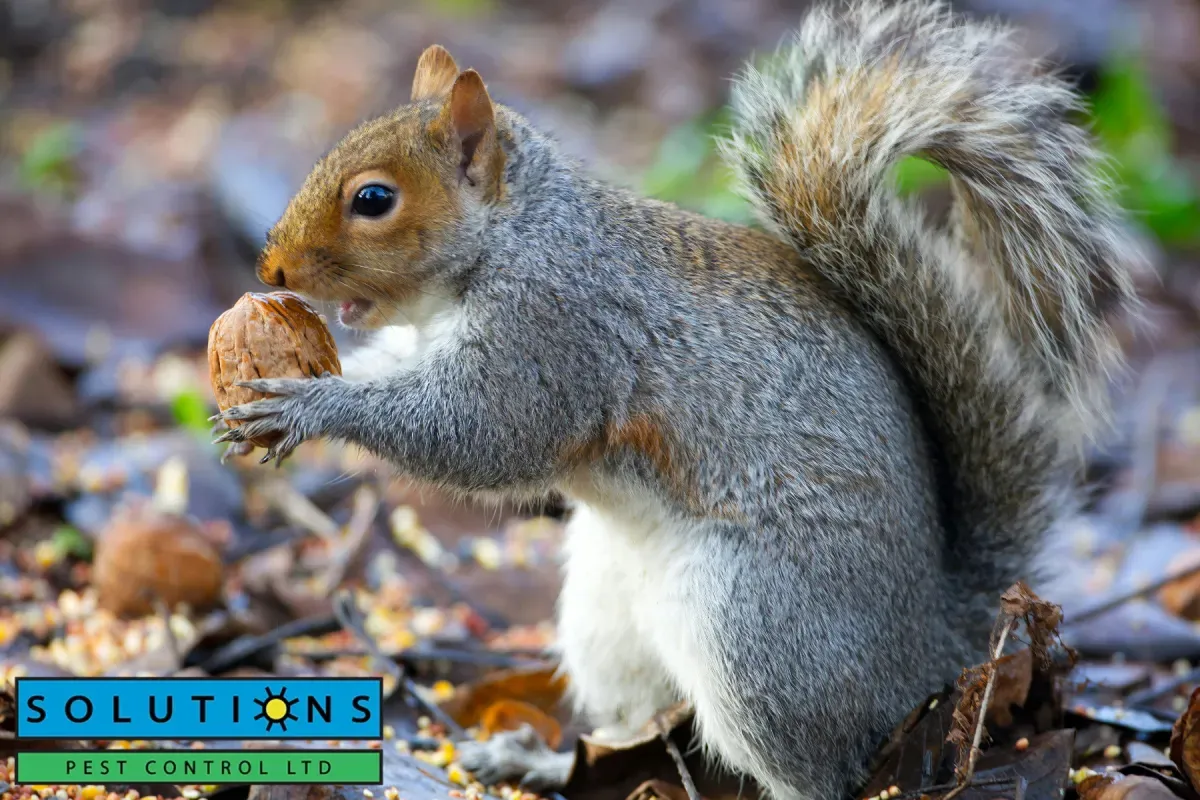
The Eastern Grey squirrel (Sciurus carolinensis) is larger and often has gray or gray-brown fur, although some individuals appear darker or brownish.
These squirrels are common in many urban and suburban areas. They readily use parks, gardens, bird feeders, and residential trees as food sources.
Eastern Grey squirrels often cause the garden damage homeowners complain about most. They dig into flower beds, bury nuts in loose soil, eat fruit and vegetables, and may explore rooflines for access to sheltered spaces.
They are an introduced species in British Columbia. However, you should identify the squirrel correctly before choosing a control method, because rules and protections can differ between species.
Physical Barriers: The Best Long-Term Protection for Garden Beds
If squirrels keep digging up your garden, covering the soil is often more effective than trying to scare them away.
Squirrels dig to find food, bury nuts, and investigate loose soil. A properly fitted barrier makes these activities harder and helps protect your plants without relying on repeated deterrent treatments.
Use Hardware Cloth Around Raised Beds
Hardware cloth is a sturdy metal mesh that can protect garden beds from digging. A mesh with openings small enough to block squirrels can be fitted over exposed soil or secured around the bed.
For the best results:
- Secure the mesh firmly so squirrels cannot lift the edges.
- Cover exposed soil around newly planted bulbs.
- Leave enough space for plants to grow through the mesh.
- Check regularly for loose edges or openings.
- Use suitable mesh beneath a raised bed when protection from animals digging up from below is needed.
For bulbs and newly planted areas, a fitted mesh cover can make a big difference. Just make sure it does not restrict plant growth or interfere with watering.
Protect Potted Plants and Tomatoes
Potted plants are easy targets because the soil is usually loose and simple to dig. Place suitable mesh over the soil surface, leaving openings for the stems.
For tomatoes and other vulnerable crops, use a secure garden cage or netting designed to keep animals out. Loose netting can leave gaps where squirrels can squeeze through or become tangled.
Check barriers often, especially after strong winds or heavy rain. A small gap may be all a persistent squirrel needs.
Motion-Activated Sprinklers
Motion-activated sprinklers can help keep squirrels away from gardens, lawns, and other areas where they repeatedly cause trouble.
These devices detect movement and release a short burst of water. The sudden interruption may discourage squirrels from returning to the same spot.
For better results, place the sprinkler where squirrels enter the garden rather than pointing it only at the plants they eat. Adjust its position as needed, and make sure it does not soak areas where water could cause damage.
Keep in mind that sprinklers are not guaranteed to work on every squirrel. Some animals may get used to them, and the devices need to be maintained and protected from freezing temperatures.
They work best as part of a larger plan that includes removing food sources and blocking access to vulnerable plants.
What Doesn’t Work Well Against Squirrels?
Many homeowners spend money on deterrents that provide little lasting relief. Some may work briefly, but they rarely solve the underlying problem when squirrels still have easy access to food and shelter.
Ultrasonic Repellers
Ultrasonic devices claim to discourage animals with high-frequency sounds. However, results can be inconsistent, and squirrels may continue using the area despite the device.
If your garden has several active squirrels, don’t rely on an ultrasonic repeller as your main defense.
Mothballs and Predator Urine
Strong smells may seem like an easy way to keep squirrels away, but their effects are often short-lived. Rain and outdoor conditions can reduce their effectiveness.
Mothballs are also not intended for general outdoor pest control and can expose people, pets, and wildlife to harmful chemicals when used incorrectly. Avoid placing them around gardens as a squirrel deterrent.
Reflective Tape, Fake Owls, and Scarecrows
Reflective tape and fake predators may briefly startle squirrels. Over time, however, squirrels can become accustomed to objects that remain in the same place and pose no real threat.
If you use visual deterrents, combine them with physical barriers and changes to the food sources available in your yard.
BC Wildlife Rules on Squirrel Trapping and Relocation
Before trapping a squirrel, check the current British Columbia rules for the species involved and the method you plan to use.
The province’s Wildlife Act and related regulations set out rules for wildlife capture, trapping, transport, and release. Certain non-native species, including Eastern Grey squirrels, are subject to different provisions from native wildlife. However, this does not mean every trapping or relocation method is automatically permitted. See BC’s official wildlife regulations.
Live trapping and relocation require particular care. Rules can depend on where the animal is captured, where it will be released, the type of trap used, and other circumstances. Moving a squirrel to another area can also cause stress to the animal and may simply transfer the problem to someone else’s property.
If you are considering trapping, confirm the current rules before proceeding. A qualified wildlife control professional can help assess the situation and explain the available options.
In many cases, blocking access to food, protecting garden beds, and closing entry points are more useful long-term steps than repeatedly removing individual squirrels.
When Does a Garden Squirrel Problem Become an Attic Problem?
Squirrels that regularly visit your garden may also explore nearby buildings. If they are comfortable moving around your property, your roofline can become another place to investigate.
Overhanging tree branches, damaged roof vents, loose soffits, and gaps around fascia boards can provide access to sheltered spaces.
Watch for these warning signs:
- Scratching, scurrying, or movement in the attic or ceiling.
- Squirrels repeatedly running along the roofline.
- Damaged soffits, roof vents, or fascia boards.
- Droppings or nesting material in the attic.
- Chewed openings near the roof or eaves.
Once squirrels enter an attic, the problem becomes more than a garden nuisance. They may damage insulation, chew building materials and wiring, and create openings that let water or other pests inside.
How to Prevent Squirrels From Entering Your Attic
Start by checking the roofline, soffits, vents, and other possible entry points. Trim branches that provide easy access to the roof, following local tree-care rules and taking care around power lines.
If squirrels are already inside, don’t simply seal every opening. An animal may become trapped inside, and a nest may contain young. Have the situation assessed so the animals can be dealt with appropriately before entry points are permanently closed.
Professional squirrel removal in Vancouver can help homeowners address the immediate problem and identify the openings that need repair. A proper plan should include confirming that animals are no longer inside before final sealing.
When Should You Call a Professional for Squirrel Removal?
Professional help is worth considering when squirrels keep returning despite your efforts, cause damage to your home, or enter areas that are difficult to inspect safely.
Consider contacting a wildlife control professional if:
- Squirrels have entered your attic or wall spaces.
- You hear scratching or movement inside the ceiling.
- Roof vents, soffits, or fascia boards show signs of damage.
- You cannot identify the squirrel species.
- You are unsure which trapping or removal methods are allowed.
- You need help preventing squirrels from entering the building again.
A professional can inspect the property, identify possible entry points, and recommend a plan based on the location and extent of the problem.
For homeowners dealing with repeated squirrel activity, Vancouver squirrel removal should focus on both removing the immediate concern and preventing future access. Simply removing an animal without addressing an open entry point may leave the property vulnerable to another squirrel.
Frequently Asked Questions
What smell do squirrels hate?
Some scent-based repellents may discourage squirrels briefly, but no smell provides reliable, lasting protection in every outdoor setting. Rain and other weather conditions can reduce their effect. For better results, protect vulnerable plants with suitable barriers, remove accessible food sources, and consider motion-activated sprinklers where appropriate.
Are squirrels protected in BC?
The rules depend on the species and the action being considered. Native Douglas squirrels and introduced Eastern Grey squirrels may be treated differently under provincial wildlife regulations. Before trapping, relocating, or killing a squirrel, check the current BC rules and confirm the species to avoid harming protected wildlife or using an unlawful method.
Can squirrels damage my house?
Yes. Squirrels can chew through parts of a building, including wood, soffits, and some roof materials, to reach sheltered spaces. Once inside an attic, they may damage insulation and wiring and leave nesting material or droppings behind. Inspecting roof openings and repairing vulnerable areas can help reduce the risk of entry.
Do bird feeders attract squirrels?
Yes. Bird feeders can provide an easy, reliable food source for squirrels. If squirrels regularly visit your feeder, they may also explore nearby garden beds and potted plants. Consider using a well-designed squirrel-resistant feeder, keeping spilled seed off the ground, and removing the feeder temporarily if squirrel activity becomes difficult to manage.
How can I keep squirrels from digging up my garden?
Cover exposed soil with securely fitted hardware cloth or suitable garden mesh, especially around bulbs and newly planted areas. Pick up fallen fruit, secure compost, and avoid leaving food outdoors. Motion-activated sprinklers may also help. Combining these methods is generally more reliable than depending on a single deterrent.
Protect Your Garden and Home From Squirrels
Squirrels can be persistent, but you don’t have to let them ruin your garden or damage your home. Solutions Pest Control can help you address recurring squirrel problems and protect your property. Start by identifying the species, protecting vulnerable plants, and removing easy sources of food. If you notice signs of attic entry or repeated damage, address the building’s entry points as well as the animal activity.
When basic prevention is not enough, professional help can make it easier to find the source of the problem and choose a suitable response. Whether you need advice on garden protection or help with an animal inside your attic, squirrel removal in Vancouver, BC, should focus on solving the problem safely and reducing the chance of it happening again. Contact us today to book your service.