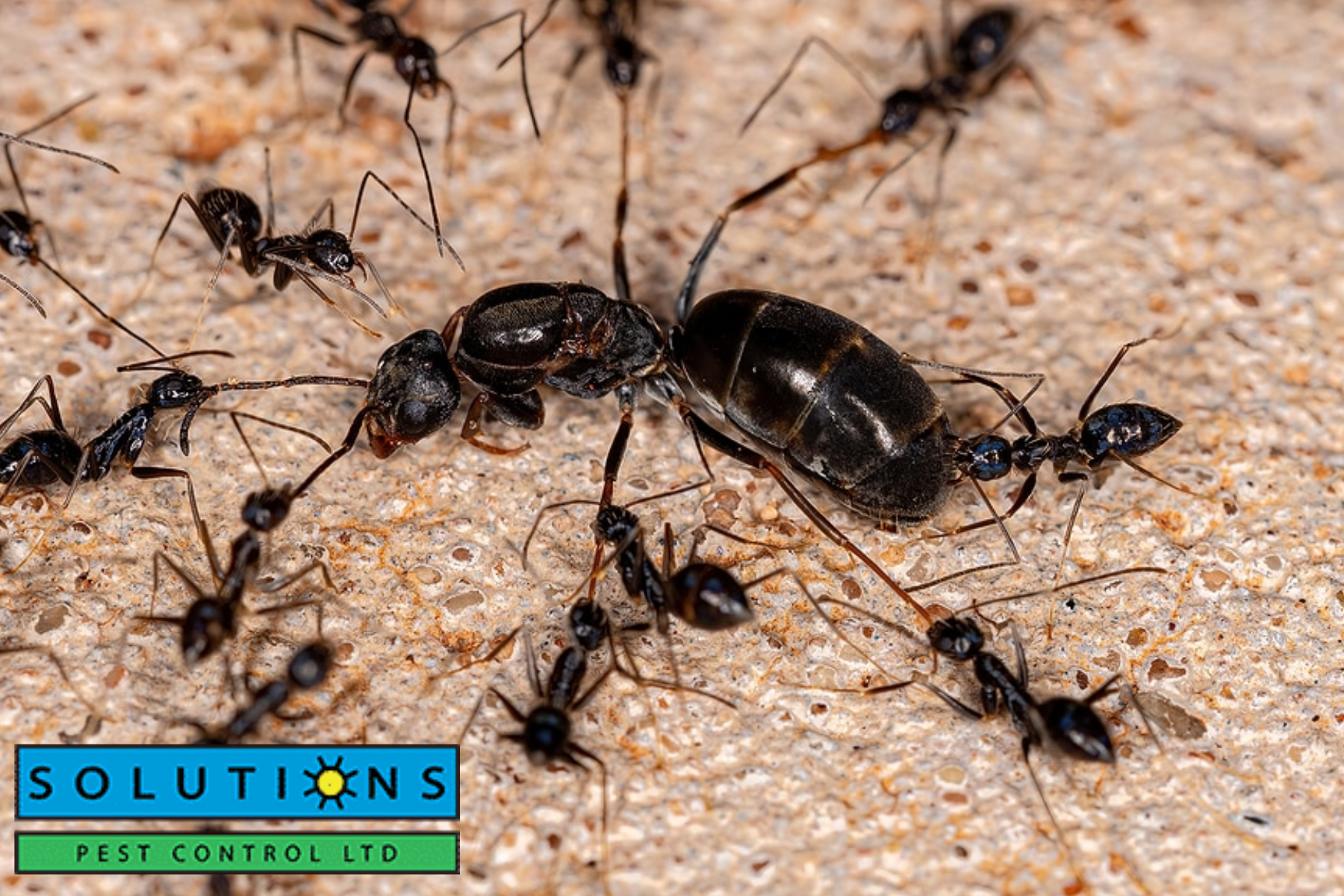

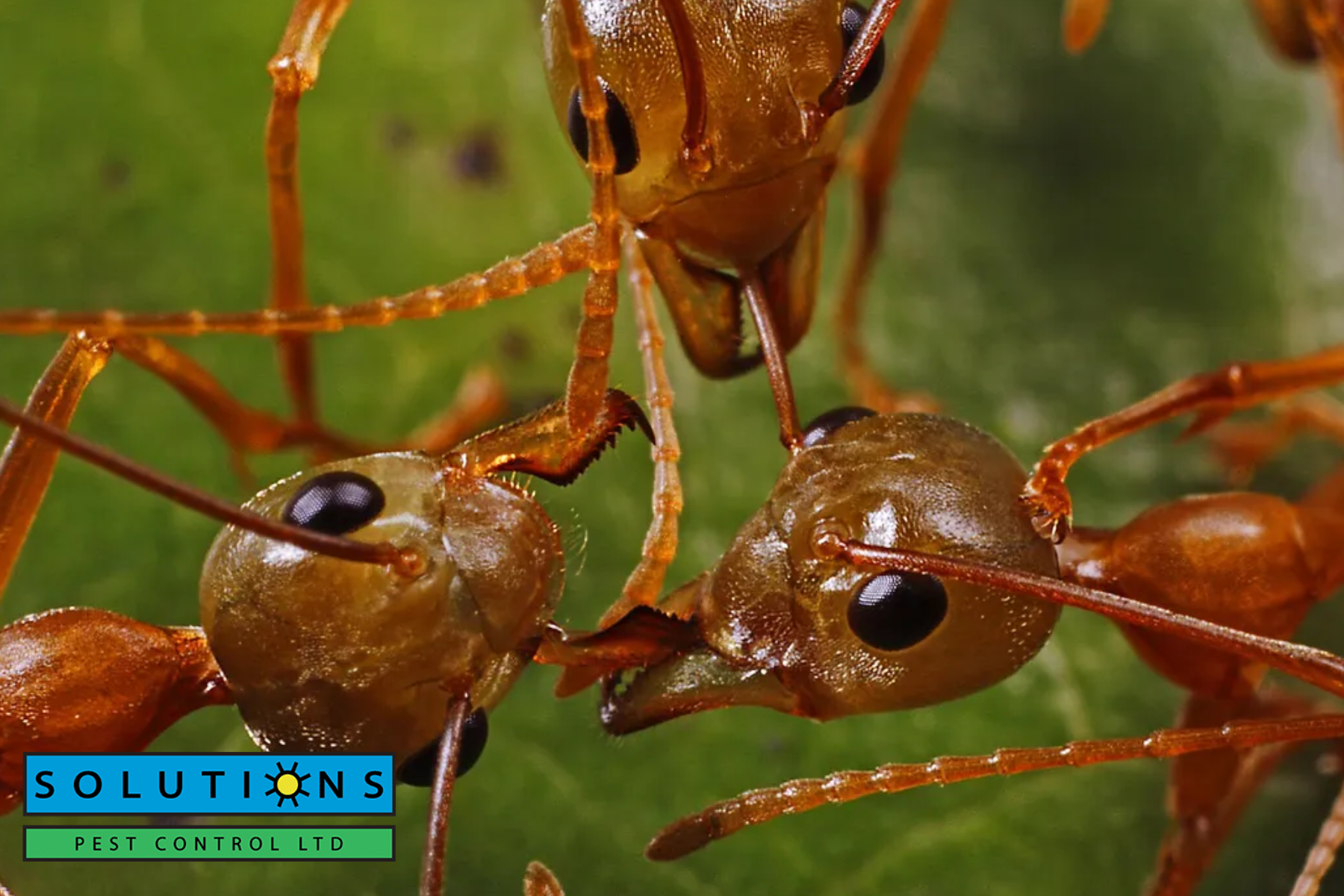

When you discover ants invading your kitchen, pantry, or bathroom, it’s easy to focus on the visible pests crawling across your floors. However, the real concern often lies beneath the surface in the hidden colonies where ants lay and nurture their eggs. Understanding what ant eggs look like can help you identify early signs of an infestation and take appropriate action before the problem escalates.
This article offers a detailed, fact-based guide to recognizing ant eggs in house, where you might find them, and how to handle a possible infestation.
Why You Should Care About Ant Eggs
Ants are among the most common household pests, and while the workers are the most visible, it’s the eggs and larvae that represent the future of the colony. Identifying these early life stages is crucial to effective Richmond pest control. Ignoring the nest and its eggs can lead to rapid colony growth, making treatment much more difficult later.
By spotting ant eggs early, homeowners have a better chance of addressing the infestation at its root and avoiding long-term damage or inconvenience.
What Do Ant Eggs Look Like?
Ant eggs look like tiny, oval-shaped objects that are generally white or pale. They’re often compared to miniature grains of rice in shape and appearance, although they are much smaller. Most ant eggs measure about 0.5 to 1 millimeter in length, barely visible to the naked eye.
Characteristics of Ant Eggs:
- Color: White or translucent
- Shape: Oval, elongated
- Size: Roughly 0.5 to 1 mm (smaller than a pinhead)
- Texture: Smooth and slightly shiny
- Location: Clustered together in protected areas within the nest
These eggs are typically laid by the queen ant and are cared for by worker ants, which move them around the nest to regulate temperature and humidity. If you disturb an active ant nest, you might see worker ants rushing to relocate these fragile eggs to a safer area.
Ant Eggs vs. Other Insect Eggs
It’s easy to confuse ant eggs with those of other pests, such as termites, bed bugs, or even cockroaches. Here’s how to tell them apart:
- Termite eggs are also white and oval-shaped, but tend to be found in mud tubes or wood crevices and appear in much larger quantities.
- Bed bug eggs are sticky, pearl-white, and usually found in hiding spots on surfaces, such as mattress seams or furniture joints.
- Cockroach eggs are brown, capsule-like, and much larger than ant eggs. They often contain multiple embryos in a single case (ootheca).
The key is to consider the surrounding environment and other visible signs of pests. If you’re seeing ants in your home, particularly in trails or clusters, the eggs you find nearby are very likely to be theirs.
Where You Might Find Ant Eggs in Your Home
Ant eggs in the house are usually well-hidden in protected, hard-to-reach areas. Depending on the species, nests can be found in:
- Behind baseboards and walls
- Inside cabinets and drawers
- Under sinks or appliances
- In the soil near the foundation
- Within insulation or wall voids
If you discover an active nest, you may also notice pupae (cocoon-like forms) and larvae, which are the next developmental stages after eggs. Pupae resemble larger versions of the eggs and are often slightly darker.
Warning Signs You Might Have a Nest Nearby
- Increased ant activity indoors, especially in kitchens and bathrooms
- Visible ant trails leading to and from nesting sites
- Small piles of soil or sawdust near baseboards or wall cracks
- A musty or acidic odor, common with certain species like odorous house ants
How Ant Eggs Fit into the Colony Lifecycle
The presence of ant eggs signals an actively reproducing colony. After the queen lays eggs, they hatch into larvae, which are fed and protected by worker ants. After several molts, the larvae pupate and eventually emerge as adult workers, soldiers, or new queens and males, depending on the colony’s needs.
An established colony can house thousands of ants, and once it matures, it may send out winged reproductive ants (called alates) to start new colonies. That’s why addressing ant infestations early, especially when ant eggs are present, is critical to keeping the population under control.
Why DIY Solutions May Fall Short
Many store-bought products target visible ants without addressing the colony itself. Killing a few foragers may seem effective in the short term, but it does little to impact the queen or the ant eggs hidden deep inside the nest. In some cases, improper treatments can even cause colonies to divide (a process called budding), leading to multiple nests forming in different parts of your home.
Professional providers use targeted strategies designed to reach the entire colony, including its reproductive members. That’s why recognizing the signs, especially the presence of eggs, is so valuable for making the right ant control decision.
What to Do If You Find Ant Eggs
If you suspect or confirm the presence of ant eggs in your house, it’s best to contact a trusted local expert in pest control in Richmond, BC. A trained technician can properly identify the species, locate the nest, and create a treatment plan that eliminates the entire colony, not just the surface-level problem.
Avoid removing the eggs or disturbing the nest without a clear plan, as this may cause ants to relocate and spread further throughout your property.
Prevention Tips for Homeowners
Once the infestation is under control, prevention is key. Here are some simple ways to reduce your chances of another ant problem:
- Seal cracks and crevices in walls, windows, and doors
- Store food in airtight containers
- Clean up spills and crumbs promptly
- Remove standing water or leaky pipes
- Trim back vegetation that touches your home’s exterior
Routine inspections and professional pest management can also go a long way in keeping your home ant-free.
About Solutions Pest Control
At Solutions Pest Control, we’re committed to helping homeowners in Richmond and surrounding areas keep their homes free from unwanted pests, including ants. Our team of trained professionals understands the biology and behavior of pests, allowing us to deliver precise, effective treatments that target the entire colony, including ant eggs.
Whether you’re dealing with an ongoing infestation or want to take preventive measures, we provide tailored services to suit your specific needs. Using environmentally responsible practices and modern techniques, we ensure peace of mind and long-term results. For trusted protection, count on our expert pest control services in Richmond, BC.
Need Help with Ant Eggs?
If you’ve found ant eggs or noticed signs of an infestation in your home, contact us today for a thorough inspection and expert treatment options.
FAQs: People Also Ask
1. What do ant eggs look like?
Ant eggs are small, oval, white or translucent, and about 0.5 to 1 mm in size. They often appear in clusters within the nest.
2. How do I know if I have ant eggs in my house?
Look for tiny, oval white objects in hidden areas like baseboards, cabinets, or under appliances. If you see ants around, eggs are likely nearby.
3. How long does it take for ant eggs to hatch?
Ant eggs typically hatch within a few days to a week, depending on temperature and species. The larvae will then begin to develop into workers.
4. Can I remove ant eggs myself?
It’s difficult to remove ant eggs without disrupting the colony. Professional pest control is recommended to target the entire colony, including the queen.
5. Why are there ants in my kitchen?
Ants are attracted to food, water, and shelter. Ensure your kitchen is clean, store food in airtight containers, and seal cracks to prevent entry.
Other related blogs:
Carpenter Ants in Your Home? Here’s What to Do Immediately
Top Ways to Become the MacGyver of Ant Control Surrey
Why You Might Be Inviting Ants Into Your Home Without Knowing It