


Mice can enter homes through tiny gaps, contaminate food, damage stored belongings, and leave droppings in areas where people live and work. The best way to prevent a mouse infestation is to eliminate food and shelter sources, seal potential entry points, and monitor for signs of activity. If mice keep returning despite your efforts, professional help may be needed.
Why Are Mice a Problem in Homes and Businesses?
Mice are resourceful rodents that seek food, water, warmth, and shelter. Once inside a building, they may hide in attics, wall cavities, cupboards, garages, and storage areas. Their small size allows them to enter through openings that homeowners might easily overlook.
A mouse problem can lead to several concerns:
- Food contamination: Mice can contaminate food and food-preparation surfaces with their urine, droppings, and saliva.
- Property damage: Their constant gnawing can damage packaging, furniture, insulation, and electrical wiring.
- Unsanitary conditions: Droppings and nesting materials can accumulate in hidden areas.
- Rapid population growth: Mice reproduce quickly, allowing a small problem to develop into a larger infestation.
Recognizing these risks early makes it easier to take action before the problem becomes more difficult to manage.
How Can You Keep Your Home or Business Clean?
Good sanitation helps make your property less attractive to mice. Although cleaning alone cannot guarantee a mouse-free environment, removing accessible food and clutter can reduce the resources rodents need to survive.
Store Food in Sealed Containers
Keep pantry items, grains, snacks, and pet food in sturdy, tightly sealed containers. Avoid leaving food in open bags or cardboard packaging that mice can easily chew through.
Clean countertops, sweep floors, and remove crumbs after preparing or eating meals. Wash dirty dishes promptly, and check under appliances and furniture for food debris.
Secure Garbage and Compost
Use bins with tight-fitting lids for household waste and compost. Empty indoor garbage regularly, and keep outdoor bins closed and in good condition. Clean spills around garbage storage areas to avoid attracting rodents.
Reduce Clutter and Hiding Places
Mice often hide in undisturbed spaces, including storage rooms, garages, attics, and utility areas. Organize belongings, keep items off the floor when practical, and use sealed plastic storage containers instead of cardboard boxes for long-term storage.
Businesses should also maintain clean storage rooms, manage waste properly, and keep food-storage areas organized. These measures are particularly important for properties where food or supplies are handled.
How Do You Seal Entry Points to Keep Mice Out?
Exclusion—blocking the openings mice use to enter—is one of the most important steps in preventing an infestation. Mice can squeeze through surprisingly small gaps, so inspect your property carefully rather than focusing only on obvious holes.
Check these common entry points:
- Gaps around pipes, cables, and utility lines
- Openings around doors and windows
- Cracks in foundations and exterior walls
- Damaged weatherstripping beneath doors
- Vents and other openings that lack suitable protective covers
- Gaps around garage doors and building extensions
Seal suitable openings with durable, rodent-resistant materials. Depending on the location, these may include metal mesh, metal flashing, or appropriate sealants combined with protective materials. Expanding foam alone may not provide a durable barrier because mice can gnaw through it.
Inspect these areas periodically for new damage or gaps. In businesses, pay particular attention to delivery entrances, loading areas, utility rooms, and spaces where supplies enter the building. If you need help identifying potential entry points, an exterminator in Surrey can inspect your property and recommend practical rodent prevention measures.
What Are the Signs of a Mouse Infestation?
Finding signs of mice early can help you respond before the population grows. Look for the following indicators:
- Droppings: Small, dark droppings may appear near food storage, along walls, or inside cupboards.
- Gnaw marks: Chewed food packaging, cardboard, wood, or other materials may indicate rodent activity.
- Scratching sounds: Noises in walls or ceilings, particularly at night, may suggest mice are moving through hidden spaces.
- Nesting materials: Shredded paper, fabric, insulation, or other soft materials may be used to build nests.
- Unusual odors: A persistent musty odor in a confined area can sometimes indicate rodent activity.
- Repeated sightings: Seeing mice during the day or finding fresh signs after cleaning may indicate an ongoing problem.
If you find droppings or nesting materials, avoid sweeping or vacuuming them while dry, as this can release contaminated particles into the air. For safe mouse control, follow public health guidance for cleaning rodent waste, including appropriate disinfection and protective equipment.
What Should You Do If Mice Keep Coming Back?
Even with careful cleaning and sealed entry points, mice may still find a way inside. A nearby rodent population, overlooked openings, or hidden food sources can make prevention more challenging.
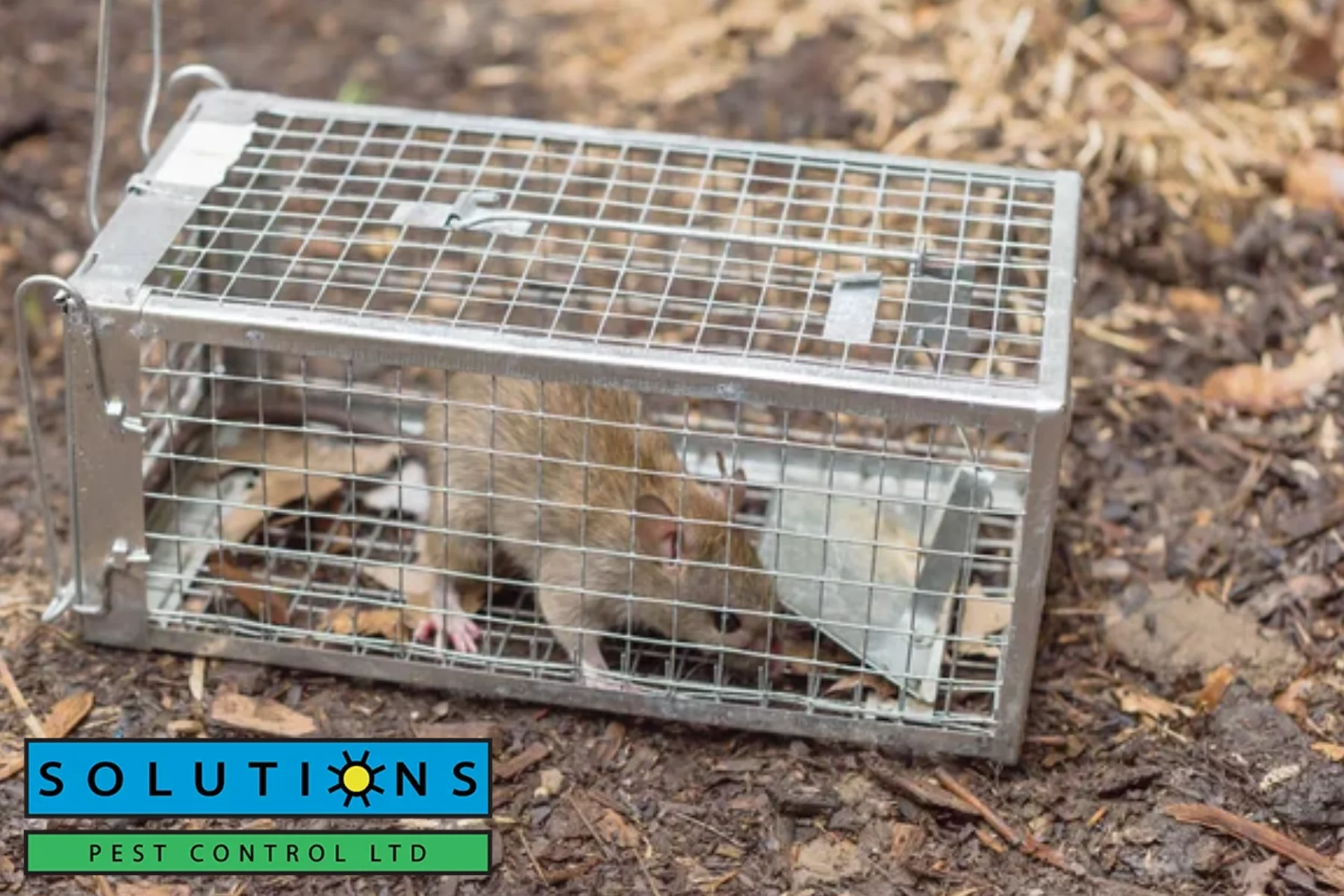
Start by checking for fresh droppings, gnaw marks, and damaged seals. Store food securely, remove accessible clutter, and address any new gaps you find. If you use traps, place them in locations where children and pets cannot reach them, and follow the product instructions carefully.
Avoid handling live or dead rodents with bare hands. If you suspect activity inside walls, ceilings, or other difficult-to-reach spaces, a professional inspection can help identify the source and determine the appropriate next steps.
When Should You Contact a Pest Control Professional in Surrey?
Professional assistance may be worthwhile if you continue seeing mice, discover signs in multiple areas, or cannot identify how rodents are entering your property. A qualified technician can inspect the building, assess the extent of the activity, identify likely access points, and recommend a targeted control and prevention plan.
Homeowners looking for pest control in Surrey can benefit from an approach that combines rodent removal with practical prevention measures. Effective service should address the conditions contributing to the infestation rather than focusing only on the mice that are visible.
When choosing an exterminator, ask about inspection procedures, entry-point recommendations, monitoring, and follow-up options. If you need pest control in Surrey, BC, select a provider that can explain the proposed treatment clearly and provide guidance on reducing future rodent activity.
Solutions Pest Control serves residential and commercial properties in Surrey and surrounding communities. The appropriate approach will depend on the property, the extent of the infestation, and the locations where mice are active.
Frequently Asked Questions
1. What attracts mice to a home?
Mice are attracted to accessible food, water, shelter, and nesting materials. Crumbs, uncovered pet food, unsecured garbage, cluttered storage areas, and gaps around the exterior can make a property more appealing. Removing these resources and sealing entry points can help reduce the likelihood of an infestation.
2. Can mice enter through very small holes?
Yes. Mice can squeeze through openings roughly the width of a pencil, around 6 millimeters or one-quarter of an inch. Inspect gaps around pipes, doors, foundations, and utility lines, and seal openings with suitable rodent-resistant materials.
3. Does keeping a home clean prevent mice completely?
No. Cleanliness helps reduce available food and shelter, but it does not guarantee that mice will stay away. Rodents can still enter through small openings or move indoors from nearby areas. Combine good sanitation with exclusion, regular inspections, and monitoring for signs of activity.
4. When should I seek professional rodent control?
Consider professional help if you repeatedly see mice, find signs in several rooms, hear activity inside walls, or cannot locate the entry points. A technician can assess the problem and recommend removal and prevention measures based on the building and the level of rodent activity.
5. How can I prevent mice from returning?
Store food in sealed containers, secure garbage, reduce clutter, repair gaps, and inspect vulnerable areas regularly. Monitor places where you previously found droppings or gnaw marks. If mice continue to appear, investigate hidden access points and consider professional assistance.
Protect Your Property From Mice
Preventing mice requires more than keeping surfaces clean. Sealing entry points, securing food, reducing hiding places, and responding promptly to signs of activity can help protect your home or business from rodent problems.
If you are dealing with recurring mice or need help identifying possible entry points, Solutions Pest Control can help you explore suitable next steps.
Contact us today to discuss your rodent concerns and arrange professional assistance. Call for more information.
LEARN MORE HERE:
What Is The Best Mouse Deterrent? Solutions Pest Control Answers
Solutions Pest Control: What To Do About A Field Mouse In The House
Tips For Choosing The Best Mouse Trap By Solutions Pest Control