


A bird nest in your eaves is legally protected from removal if it is active, meaning it contains eggs or live chicks, and belongs to a native species covered by wildlife protection laws. Environmental regulations strictly prohibit disturbing or destroying an active nest of a protected native species without a specialized government permit. If the nest is completely empty or belongs to a non-native, invasive species, it can generally be removed legally.
Active vs. Inactive Nests: Legal Status and Protections
Determining whether you can legally clear a nest from your roofline requires evaluating its current reproductive status and species classification. Many property owners think that if a creature builds a home on their property, they automatically have the right to remove it. However, domestic wildlife laws are highly specific regarding nesting birds, drawing a clear distinction between active shelters and old, abandoned structures.
| Metric / Aspect | Legally Protected Status | Non-Protected / Removable Status |
| Active Contents | Contains eggs, incubating parents, or dependent chicks. | Completely empty; contains no eggs, live chicks, or brooding adults. |
| Species Classification | Native migratory or resident birds (e.g., Barn Swallows, Robins, House Finches). | Invasive, non-native bird species (e.g., House Sparrows, European Starlings, Pigeons). |
| Legal Restrictions | Illegal to move, destroy, or block access under environmental laws. | Can be legally swept away, discarded, or cleaned without a permit. |
| Fines & Penalties | Significant criminal fines and potential misdemeanor legal charges. | None; standard maintenance cleanup allowed. |
If a nest has even a single egg inside, it is immediately granted full legal protection if it belongs to a native species. It does not matter whether the nest is making a mess at your front door or blocking a small window; even with pest control in Whistler, you cannot touch it until the birds have completely finished using it.
Step-by-Step Guide to Evaluating Nest Legality
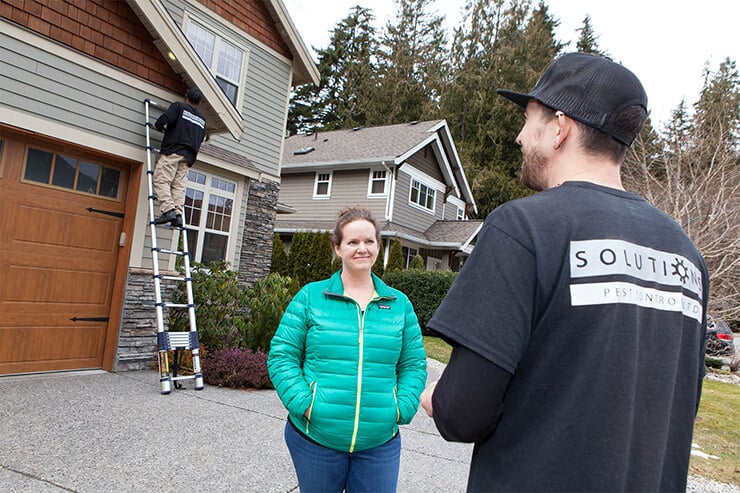
Before touching any nesting material around your eaves, execute this multi-step validation sequence to remain compliant with federal and provincial wildlife laws. During a structural audit for a property, our Whistler pest control team walked a homeowner through this exact process to ensure they didn’t accidentally violate environmental regulations.
- Perform a Visual, Non-Disruptive Inspection: Use a small mirror on a telescoping pole or your camera phone to look inside the nest from a safe distance. Never shake, poke, or pull at the nesting material during this phase.
- Check for Signs of Life: Look closely for eggs, newly hatched nestlings, or adult birds returning to incubate. If you spot any of these, the nest is legally active, and you must leave it alone.
- Identify the Bird Species: Document the color, shape, and physical construction of the nest, or take a picture of the adult. Confirm whether the species is a protected native or an introduced invasive species like a European Starling or Pigeon.
- Determine the Nesting Cycle Phase: If the nest is active and native, you must pause all exterior cleaning or structural repairs in that immediate area. Wait until the fledglings have fully left the nest and no longer rely on it for nightly shelter.
Debunking the Myth: “It’s My House, So I Can Remove Anything on It”
The Misconception: “Private property rights override wildlife laws, allowing a homeowner to clear away any bird nests attached to their own gutters, roofing, or eaves at any time.”
This common misconception regularly gets property owners into hot water with wildlife management agencies. Many assume that because a nest is causing a mess on their personal siding or over a retail doorway, they have an absolute legal right to destroy it. They think hiring a professional exterminator in Whistler, BC means the team can simply sweep the birds away instantly.
In reality, environmental protection laws do not recognize private property lines. Protected native birds own the right to their active nesting sites, even if those sites are anchored to a private home or a commercial chalet. Sweeping away an active swallow or robin nest from your eaves is a direct violation of wildlife law, regardless of who pays the mortgage or property taxes on the structure. This makes understanding proper compliance a critical part of everyday maintenance.
Applying Our Proprietary Methods to Solve This
At Solutions Pest Control, we believe in delivering high-quality, environmentally friendly solutions that keep your property clean while minimizing impact on the local ecosystem. We know how frustrating recurring pest issues can be, especially when droppings ruin your property’s cleanliness. To manage bird issues safely, legally, and permanently, our team utilizes custom deterrent systems.
Advanced Structural Proofing Systems
Once an active nest is legally vacant, or if we are dealing with an unprotected invasive species, our highly trained technicians install specialized physical barriers to protect your building envelope:
- Bird Netting for Commercial Properties and Residential Homes: We install heavy-duty, discreet tensioned netting across open eaves, structural voids, and balconies to physically block them from accessing nesting areas.
- Bird Spikes for Roofs and Ledges: These durable, low-profile stainless steel spikes are installed along high rooflines, gutters, and structural ridges to prevent them from landing or establishing nests in the first place.
- Anti-Roosting Spikes for Ground-Level Roosts: Specifically designed for low-visibility areas, these blunt, safe arrays keep birds off signs, lights, and window sills without harming them or ruining your building’s appearance.
Eco-Friendly Repellents and Behavioral Deterrents
Alongside our structural barriers, we utilize advanced behavioral tools to change how they view your property.
For complex structures or large open spaces where physical spikes aren’t an option, we can deploy specialized ultrasonic sound devices. These systems emit natural predatory calls and stress frequencies that convince migrating ones to bypass your eaves entirely, providing dependable bird control without harming local wildlife. Our tailored approach enables us to deliver exceptional results across all our areas.
Legal Specifications and Framework Definitions
- Migratory Bird Protection: Legal regulations that protect native birds, their eggs, and their active nests from being moved, damaged, or destroyed by human activity.
- Active Nest Specification: The legal designation applies the moment a single egg is laid in a nest and remains in effect until all young have permanently departed the site.
- Invasive Species Carve-Out: Legal exemptions within wildlife codes that allow for the immediate, unconditional removal of non-native birds that harm local ecosystems, like House Sparrows or Pigeons.
- Exclusion Timing: The practice of waiting for the exact window between nesting seasons to install physical barriers, ensuring full legal compliance while protecting the structure.
People Also Ask (FAQ)
Can I remove a bird nest with eggs if it blocks my dryer vent or doorway?
No. Even if the nest creates an inconvenience, a fire hazard in a vent, or blocks a doorway, you cannot legally remove an active nest belonging to a protected native species. You must wait for the young to fledge or contact local wildlife authorities for an emergency permit.
What are the penalties for illegally removing a protected bird nest?
Violating native protection laws can result in significant criminal fines, ranging from thousands of dollars per violation, and potential legal charges for individuals or corporations.
How do I know if a bird nest is completely abandoned?
A nest is typically considered inactive or abandoned if there has been zero adult activity, egg-laying, or brooding behavior observed for a consecutive period of 3 to 4 weeks during the active spring and summer breeding season.
How can I stop swallows from building mud nests on my eaves legally?
The best way is to install preventive structural barriers, such as netting or smooth plastic sliding panels, beneath your eaves before the spring migration begins. Once a mud nest is active, you cannot touch it, but you can block them from building a new one.
Secure Your Eaves with Solutions Pest Control
Dealing with bird infestations can completely compromise the cleanliness and safety of your property. You deserve to feel confident and secure, knowing that your home or business is being looked after by trusted experts who understand the law. At Solutions Pest Control, we are committed to providing customized, professional services that resolve your wildlife challenges swiftly and responsibly.
Don’t let bird problems create ongoing maintenance headaches or legal risks for your property. Let our experienced team safely and humanely address your structural vulnerabilities, giving you true peace of mind and guaranteed results.
Take a proactive step to protect your roofline before the next nesting season starts. Reach out to us today for a consultation or a personalized quote tailored to your property. Be sure to follow us on social media for the latest updates, seasonal home maintenance guides, and helpful tips from our local experts. Let’s work together to keep your property clean, safe, and fully compliant.