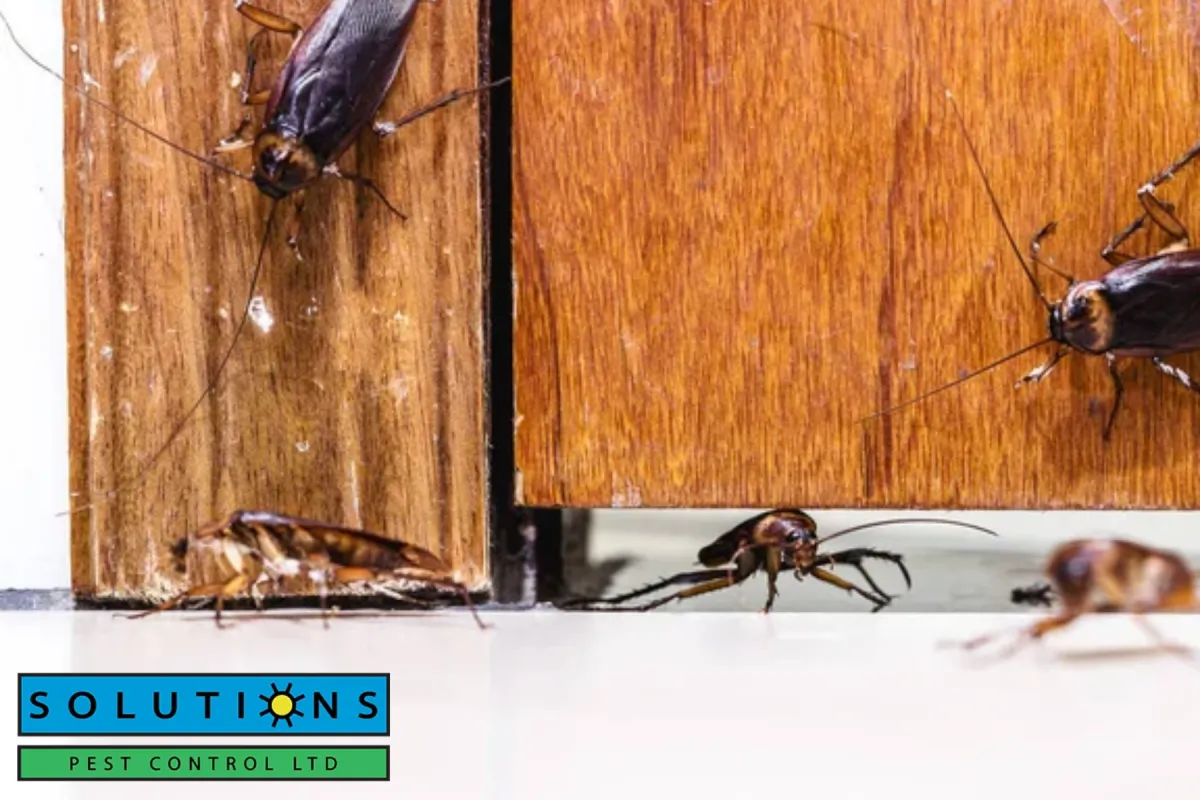


Cockroaches commonly hide in dark, sheltered areas close to food, moisture, and warmth. Kitchens, bathrooms, spaces behind appliances, cabinets, and small gaps around plumbing are among the first places to inspect when you suspect cockroach activity. Looking for droppings, shed skins, egg cases, and repeated sightings can help you identify where they may be gathering.
Finding one cockroach does not always reveal where the rest are hiding. These pests can squeeze into narrow spaces and remain out of sight during the day, making a careful inspection important when signs of activity appear.
Where Do Cockroaches Commonly Hide Inside a Home?
Cockroaches look for places that provide shelter and convenient access to food and water. Although kitchens and bathrooms are common areas to check, they may also hide in storage spaces, furniture, appliances, and gaps around walls or floors.
1. Behind and Under Kitchen Appliances
Refrigerators, dishwashers, ovens, and other kitchen appliances can create sheltered spaces where cockroaches may remain undisturbed. Areas behind refrigerators are particularly worth checking because crumbs, food residue, and moisture can collect nearby.
Inspect:
- Behind and underneath refrigerators
- Around dishwasher edges and nearby plumbing
- Beneath ovens and cooking appliances
- Inside gaps between appliances and cabinets
- Around small openings where utility lines enter the wall
Avoid moving heavy appliances without appropriate assistance. Instead, check accessible edges and surrounding areas for droppings, shed skins, or other signs of activity.
2. Inside Kitchen Cabinets and Cupboards
Cabinets provide dark, enclosed spaces where cockroaches can hide between inspections. Food crumbs, spills, and stored packaging may also attract them.
Pay particular attention to cabinet corners, hinges, shelf joints, and the spaces beneath sinks. Check around food containers and stored items, especially when signs of activity appear nearby.
Keep food in sealed containers and clean up crumbs or spills promptly. Reducing accessible food sources can make the area less attractive to cockroaches, although cleaning alone may not resolve an established infestation.
3. Under Sinks and Around Plumbing
The areas beneath kitchen and bathroom sinks are important inspection points because plumbing connections can create small gaps and moisture may accumulate around leaks or condensation.
Check for:
- Cockroach droppings inside cabinet corners
- Moisture or water damage beneath pipes
- Openings around plumbing connections
- Cracks where cabinets meet walls
- Signs of activity around stored cleaning supplies
Repairing leaks and sealing suitable openings can help reduce conditions that support cockroach activity. However, avoid sealing an area before determining whether pests are actively using it as a hiding place.
4. Behind Baseboards and Inside Small Wall Gaps
Cockroaches can use narrow cracks and concealed openings as shelter. Gaps around baseboards, cabinets, wall joints, and utility penetrations may provide access to spaces that are difficult to inspect.
Look for droppings or repeated sightings near:
- Loose or damaged baseboards
- Gaps around pipes and wiring
- Cracks near kitchen and bathroom fixtures
- Spaces between cabinets and walls
- Openings around door frames and flooring
A cockroach disappearing into a crack does not necessarily confirm that a nest is inside the wall. It does, however, identify an area that may deserve closer attention during an inspection.
5. Inside Storage Areas and Cardboard Boxes
Closets, utility rooms, storage cupboards, and cluttered corners can provide sheltered spaces for cockroaches. Cardboard boxes and stacked belongings may also create narrow gaps where pests can remain hidden.
Inspect the undersides of stored items, box seams, shelving corners, and areas close to walls. If you find signs of activity, handle potentially affected items carefully rather than moving everything into another room.
Reducing unnecessary clutter and keeping storage materials organized can make these areas easier to inspect and maintain.
6. Around Bathroom Fixtures and Moisture-Prone Areas
Bathrooms offer access to water and concealed spaces around fixtures. Cockroaches may hide beneath sinks, behind toilets, near bathtubs, and around plumbing openings.
Check:
- Beneath bathroom vanities
- Behind or beside toilets
- Around bathtub and shower plumbing
- Near floor drains and pipe openings
- Along corners where moisture or condensation collects
Not every cockroach sighting in a bathroom means the insects are nesting there. They may be moving through the area from another hiding place, so inspect nearby rooms and plumbing connections as well. If sightings continue, pest control in Vancouver, BC can help identify possible hiding places and determine the appropriate next steps.
Why Do Cockroaches Prefer These Hiding Places?
Cockroaches are more likely to remain in locations that provide shelter and access to the resources they need. Several environmental conditions can make a particular area attractive.
Food availability: Crumbs, grease, food residue, and improperly stored food can provide accessible food sources. Even small amounts of residue may be worth investigating when cockroach activity is suspected.
Moisture: Leaking pipes, standing water, damp cabinets, and condensation can provide access to water. This is one reason plumbing areas deserve attention during an inspection.
Warmth: Appliances and enclosed spaces may provide warmer conditions than exposed areas. Cockroaches may use these locations as shelter, depending on the surrounding environment.
Darkness and protection: Narrow gaps, cluttered storage areas, and enclosed cabinets offer places where cockroaches can avoid disturbance. These hiding places can also make it harder to locate activity through casual observation.
These factors often occur together. For example, a kitchen cabinet beneath a leaking sink may provide both shelter and moisture, making it an important area to check. Addressing these conditions is an important part of effective cockroach control and can help reduce the factors that attract these pests.
What Signs Should You Look for Near Cockroach Hiding Places?
Finding a cockroach is one possible indication of activity, but other evidence may help you identify areas that deserve closer inspection.
Cockroach Droppings
Cockroach droppings may appear as small dark specks or marks. Their appearance can vary depending on the species and the amount of activity. Check cabinet corners, drawer edges, appliance gaps, and areas along walls.
Do not assume every dark speck is cockroach waste. Other insects and household debris can look similar, so consider the location and whether other signs are present.
Shed Skins
Cockroaches shed their outer coverings as they grow. Finding these discarded skins near a suspected hiding place may indicate that cockroaches have been using the area.
Look around concealed corners, storage spaces, and behind appliances where debris may collect.
Egg Cases
Cockroach egg cases, also called oothecae, are protective structures that contain eggs. Their shape, colour, and size vary by species. If you find a suspected egg case, avoid handling it unnecessarily and consider having it identified.
Unusual Odours
A persistent musty or unpleasant odour may occur in areas with significant cockroach activity. However, odours can have several causes, including plumbing problems, mould, and other sources of moisture. An unusual smell alone is not enough to confirm an infestation.
Repeated Sightings
Seeing cockroaches repeatedly in the same area, particularly at different times, may suggest nearby hiding places. Record where and when you see them. This information can help narrow down the areas that need inspection.
How Can You Check for Cockroach Activity?
A careful inspection can help identify likely hiding places without unnecessarily disturbing the property.
Use this checklist as a starting point:
- Start in the kitchen: Check beneath sinks, inside cabinet corners, and around refrigerators and other appliances.
- Inspect moisture-prone areas: Look beneath bathroom and kitchen plumbing for leaks, water damage, and signs of activity.
- Check concealed edges: Examine accessible baseboards, cabinet joints, wall gaps, and spaces around utility connections.
- Review storage areas: Look behind stored belongings and around cardboard boxes, particularly near walls.
- Look for supporting evidence: Note droppings, shed skins, suspected egg cases, unusual odours, and repeated sightings.
- Document what you find: Record the location and time of sightings. Photos can also help a pest management professional assess the situation.
Avoid using your hands to reach into dark gaps or suspected hiding places. Do not dismantle appliances, electrical fixtures, or plumbing connections unless you are qualified to do so.
If you suspect cockroach activity in several areas, avoid moving potentially affected belongings between rooms. This can make it harder to understand where the activity is concentrated.
Can Cockroaches Hide Inside Walls or Appliances?
Yes. Cockroaches can use concealed spaces around walls, cabinets, plumbing, and appliances as shelter. Small openings may allow them to move between areas that are not visible during a routine household inspection.
This does not mean every wall gap or appliance contains cockroaches. Look for supporting evidence, such as repeated sightings, droppings, or shed skins around the same location.
If cockroaches repeatedly appear near an appliance or wall opening, note the exact location rather than attempting to dismantle the area yourself. A professional inspection can help determine whether the activity is coming from that space or another nearby location.
When assessing pest control in Vancouver, it is important to consider the conditions inside the property rather than relying on a general list of hiding places. The inspection should account for accessible food and water, possible entry points, building conditions, and the locations where activity has actually been observed.
When Should You Contact a Pest Control Professional?
Occasional sightings can be difficult to interpret, but repeated activity or multiple signs may indicate a problem that requires a closer assessment.
Consider arranging a professional inspection when:
- You repeatedly see cockroaches in the same room.
- You find droppings, shed skins, or suspected egg cases in several locations.
- Cockroaches appear during daylight hours as well as at night.
- You notice activity around appliances, cabinets, or concealed plumbing spaces that are difficult to inspect.
- Household cleaning and basic prevention measures have not reduced the sightings.
- You cannot identify where the cockroaches are entering or gathering.
A professional inspection typically begins with reviewing reported sightings and checking areas where cockroaches are likely to find food, moisture, and shelter. The technician may examine appliances, cabinets, plumbing areas, accessible gaps, and other locations based on the evidence.
The inspection findings help determine the appropriate next steps. Recommendations may include improving sanitation, addressing moisture, reducing clutter, identifying possible entry points, and selecting suitable treatment options. The approach should reflect the pest activity and conditions found inside the property.
For residents researching Vancouver pest control, choosing a provider that explains its inspection findings and treatment recommendations can help make the process clearer. Ask what areas will be assessed, what signs were identified, and whether follow-up monitoring or additional visits may be appropriate.
A reliable assessment should be based on observed conditions rather than assumptions about where cockroaches must be hiding.
Frequently Asked Questions
Where do cockroaches usually hide during the day?
Cockroaches commonly remain in dark, sheltered spaces during the day. These may include cabinet corners, gaps behind appliances, spaces beneath sinks, and cracks around walls or baseboards.
Can cockroaches hide inside walls or behind kitchen cabinets?
Yes. Small gaps around plumbing, cabinets, and wall joints may provide access to concealed spaces. Repeated sightings or droppings near these openings can help identify areas that need closer inspection.
How can you tell if cockroaches are hiding in an appliance?
Look for supporting signs around accessible appliance edges, such as droppings, shed skins, or repeated sightings. Do not dismantle the appliance to investigate. A professional can assess difficult-to-reach areas.
What do cockroach droppings and egg cases look like?
Droppings may appear as small dark specks or marks, while egg cases are protective structures that vary in appearance by species. If you are unsure what you have found, a clear photograph or professional identification may help.
Can seeing one cockroach mean there are more hiding nearby?
It can. A single sighting does not confirm an established infestation, but it is worth checking nearby areas for additional signs, especially if sightings occur repeatedly.
Conclusion: Know Where to Look for Cockroach Activity
Cockroaches can hide in more places than the areas where they are first spotted. Kitchens, bathrooms, appliances, cabinets, plumbing gaps, and storage spaces are all worth checking when signs of activity appear.
Knowing what to look for can help you identify possible hiding places and understand when a closer inspection is needed. Solutions Pest Control encourages property owners to pay attention to repeated sightings and supporting evidence rather than relying on one observation alone.
Need Help Identifying Cockroach Activity?
If you are finding repeated signs of cockroaches or cannot locate where they are hiding, Solutions Pest Control can help assess the situation and explain the appropriate next steps. Contact us today to learn more about professional pest management options.
LEARN MORE HERE:
Bugs That Look Like Cockroaches (But Aren’t)
Is It a Roach or Something Else? Common Bugs Mistaken for Cockroaches