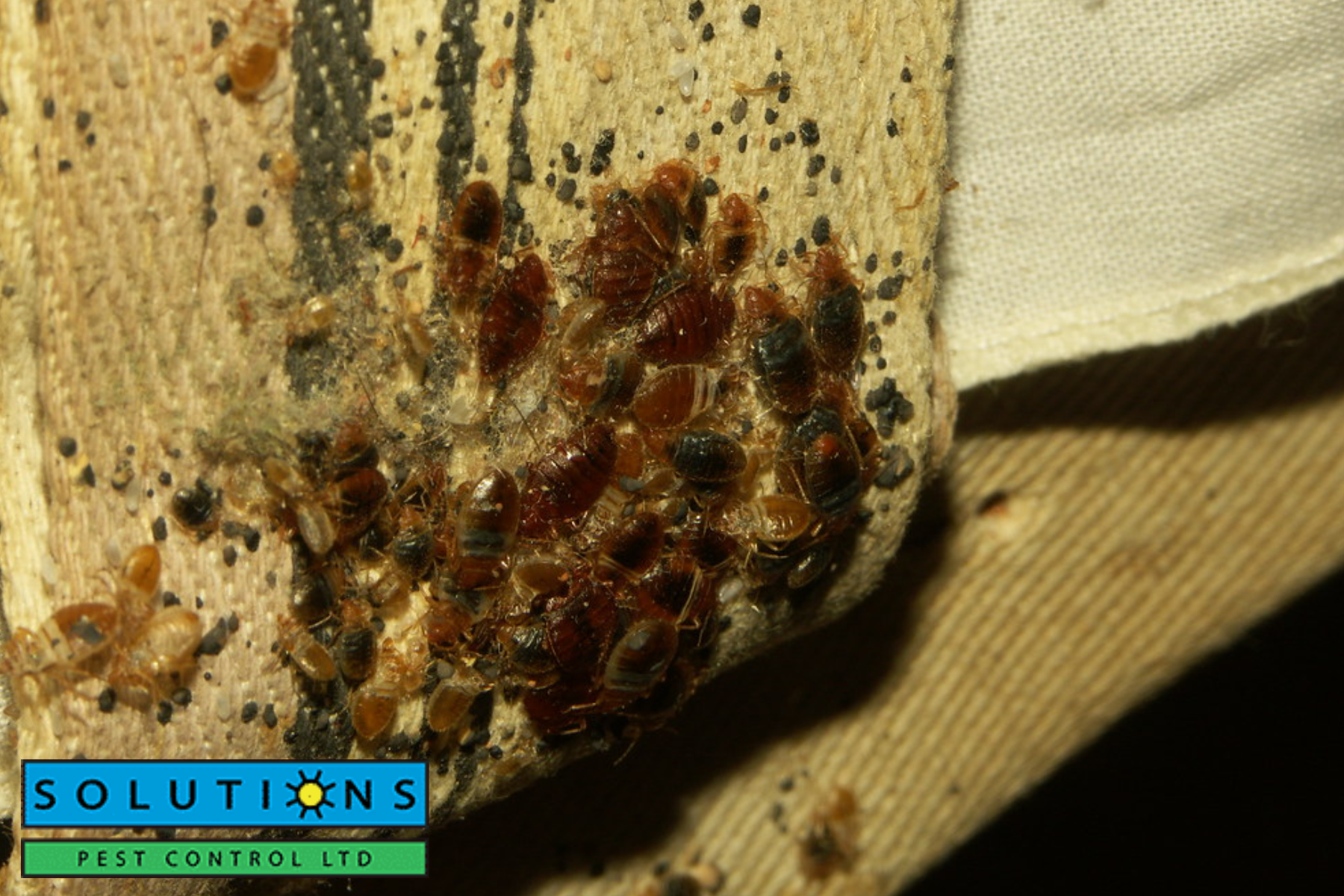



Bed bugs have been found carrying antibiotic-resistant bacteria, including MRSA and vancomycin-resistant enterococci (VRE). However, finding these bacteria on bed bugs does not prove that the insects can spread them to people. Research has raised questions about a possible link, but the U.S. Centers for Disease Control and Prevention (CDC) says bed bugs are not currently known to spread diseases to humans.
Understanding what researchers found can help you separate fact from fear and learn how to respond if you find bed bugs in your home.
What Are Superbugs, and Why Are They a Concern?
Superbugs are bacteria that have become resistant to certain antibiotics. This resistance can make some infections harder to treat because medicines that once worked may no longer be effective.
Two types of antibiotic-resistant bacteria were found on bed bugs in a study conducted in Vancouver:
- Methicillin-resistant Staphylococcus aureus (MRSA): A type of bacteria that resists several commonly used antibiotics. It can cause skin infections and, in some cases, more serious illness.
- Vancomycin-resistant enterococci (VRE): Bacteria that resist vancomycin, an antibiotic used to treat certain infections. VRE can cause serious illness, particularly in people who are already unwell or have weakened immune systems.
These bacteria are a concern in healthcare and community settings. However, their presence on an insect does not automatically mean the insect is responsible for spreading an infection. For homeowners seeking pest control in Vancouver, understanding this difference helps them make informed decisions about bed bug prevention and treatment.
What Did Researchers Discover About Bed Bugs in Vancouver?
In 2011, researchers Christopher F. Lowe and Marc G. Romney reported finding antibiotic-resistant bacteria on bed bugs collected from three hospitalized patients in Vancouver, British Columbia.
The researchers collected and tested five bed bugs. Their results showed:
- MRSA was found on three bed bugs collected from one patient.
- VRE was found on one bed bug from each of two other patients.
- The bacteria had resistance patterns that made them a concern for public health.
The findings were published in the CDC journal Emerging Infectious Diseases in a report titled Bedbugs as Vectors for Drug-Resistant Bacteria.
The discovery was important because it showed that bed bugs could carry these bacteria. However, the study was small and did not prove that bed bugs had transmitted an infection to any of the patients.
The researchers suggested that bed bugs might play a role in spreading resistant bacteria, but they also called for further research to understand the connection. The findings should therefore be treated as an early warning for more study, not proof that bed bugs are a confirmed route of infection.
Can Bed Bugs Spread MRSA or Other Antibiotic-Resistant Bacteria?
There is not enough evidence to conclude that bed bugs spread MRSA or other superbugs to people in everyday settings. The CDC states that bed bugs are not known to spread diseases to humans.
The Vancouver study raised a possible concern, but several questions remain. Researchers need to determine whether bacteria can survive on or inside bed bugs long enough to be passed to another person, whether transmission happens during feeding, and whether this process leads to actual infections.
Later laboratory research has also examined whether bed bugs can acquire, maintain, and transmit MRSA under experimental conditions. Such research helps scientists understand possible transmission routes, but laboratory findings should not automatically be treated as proof of transmission in real homes.
You can read more about the CDC’s current guidance in its bed bug information resource.
Can Bed Bug Bites Lead to Skin Infections?
Although bed bugs are not known to spread diseases, their bites can cause itching, redness, swelling, and discomfort. Repeated scratching may damage the skin and create an opening for bacteria already present on the skin to enter.
This is different from an insect directly transmitting a disease-causing organism.
To reduce the risk of skin problems:
- Avoid scratching bites as much as possible.
- Keep the affected area clean.
- Follow appropriate advice for managing itching and irritation.
- Seek medical advice if the area becomes increasingly painful, warm, swollen, or develops pus.
- Get urgent medical help if you experience signs of a severe allergic reaction.
Most bed bug bites need only basic care, but reactions can vary from person to person. Consult a healthcare provider if symptoms worsen or you are unsure about the cause.
How Can You Tell If You Have a Bed Bug Infestation?
Finding itchy marks after sleeping does not necessarily mean you have bed bugs. Mosquitoes, fleas, and other causes can produce similar skin reactions. Look for physical signs around sleeping areas to help confirm whether bed bugs are present.
Common signs include:
- Small reddish or brown stains: These may appear on sheets, pillowcases, or mattresses.
- Dark spots: Small dark marks on mattress seams, bed frames, or nearby furniture may be bed bug droppings.
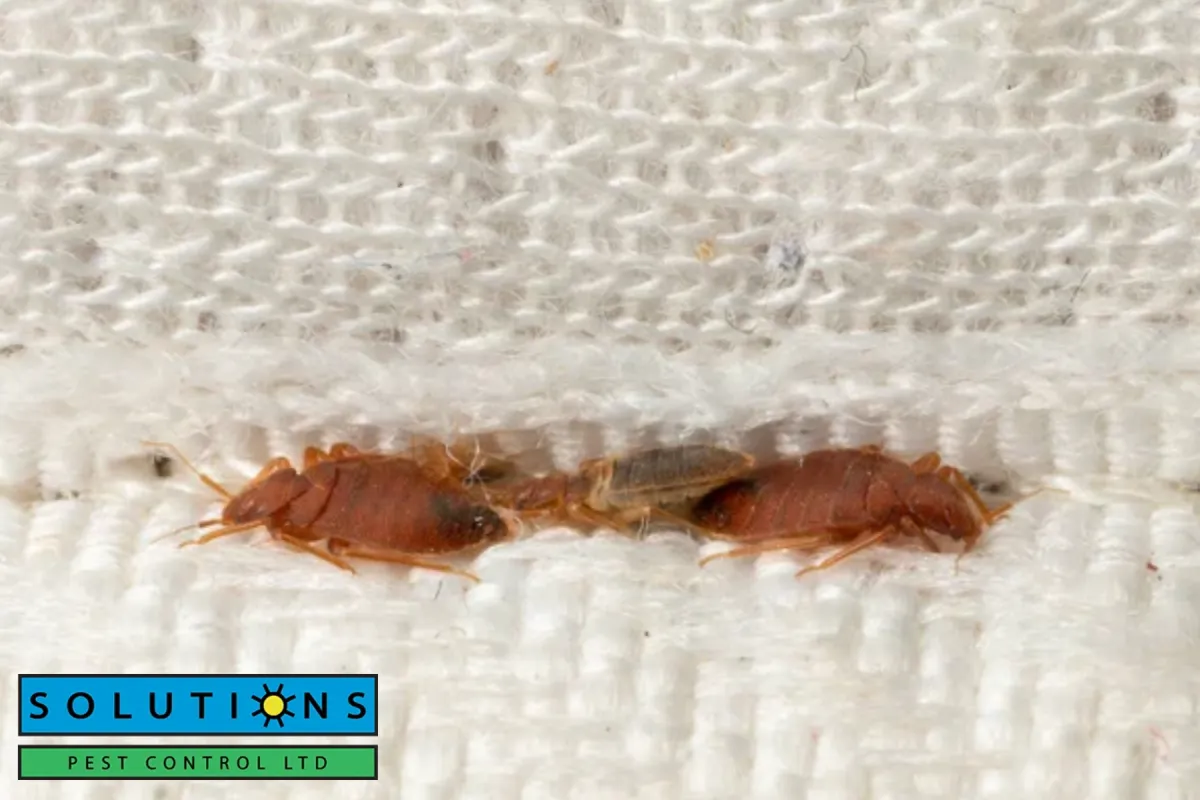
- Shed skins: Bed bugs leave behind their outer skins as they grow.
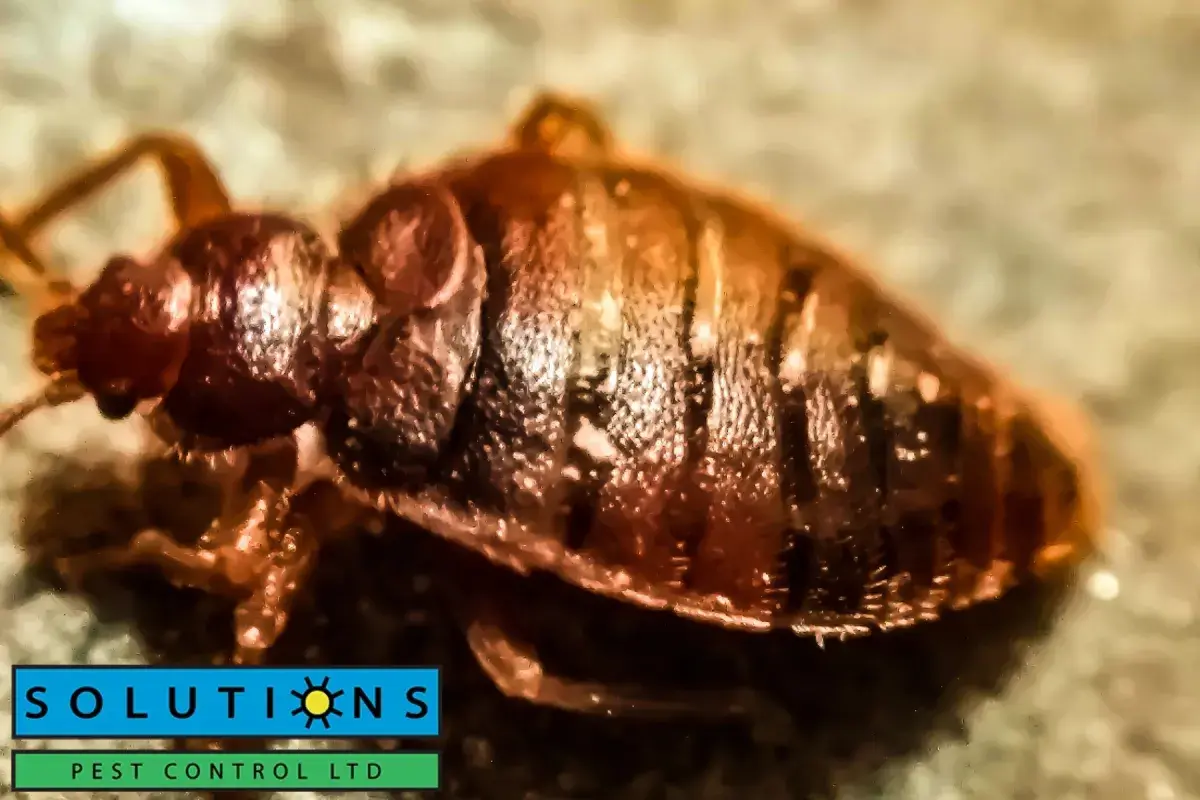
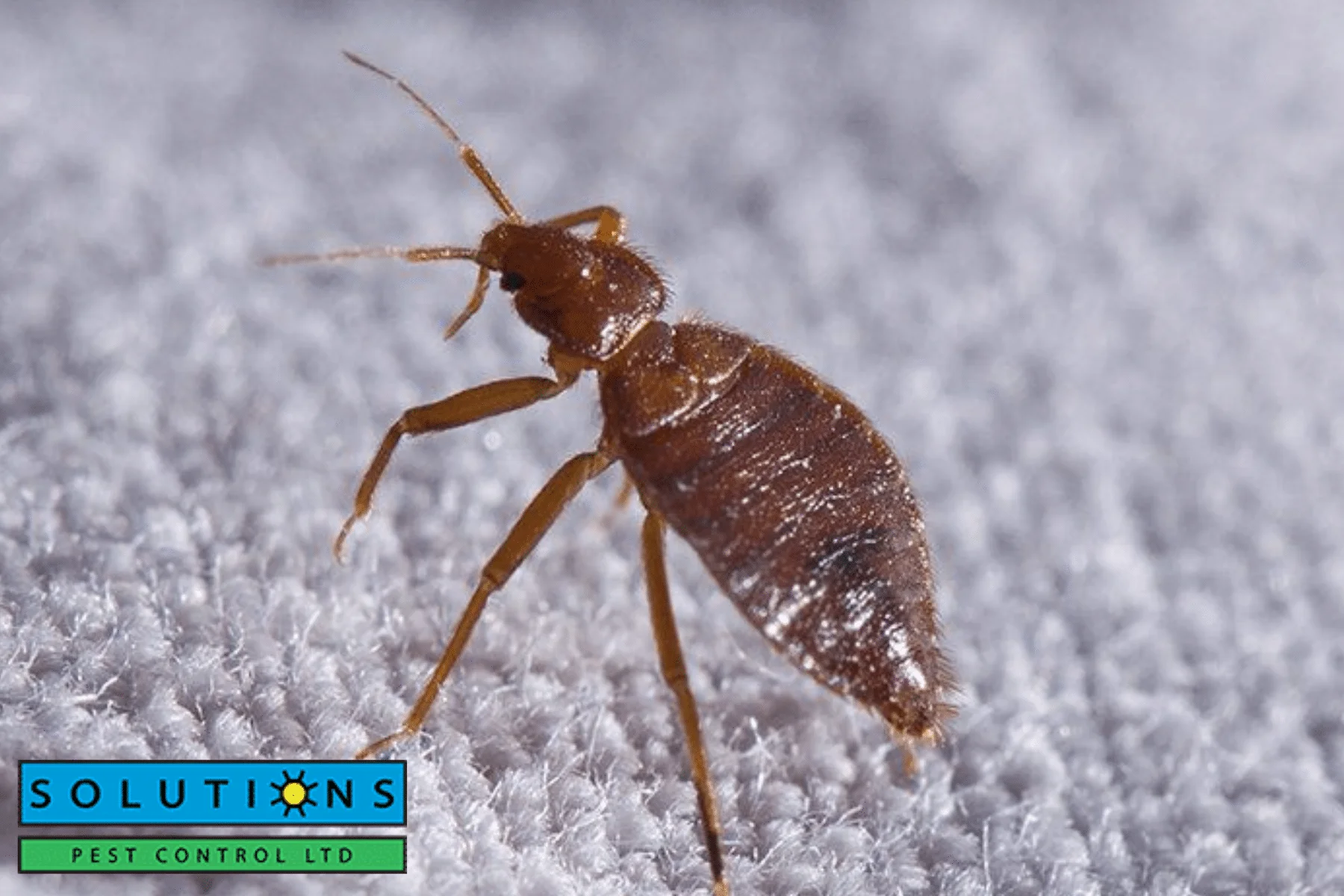
- Live insects: Adult bed bugs are small, flat, reddish-brown insects that hide in narrow spaces.
- Eggs or tiny pale insects: These may be found in protected areas near sleeping spaces.
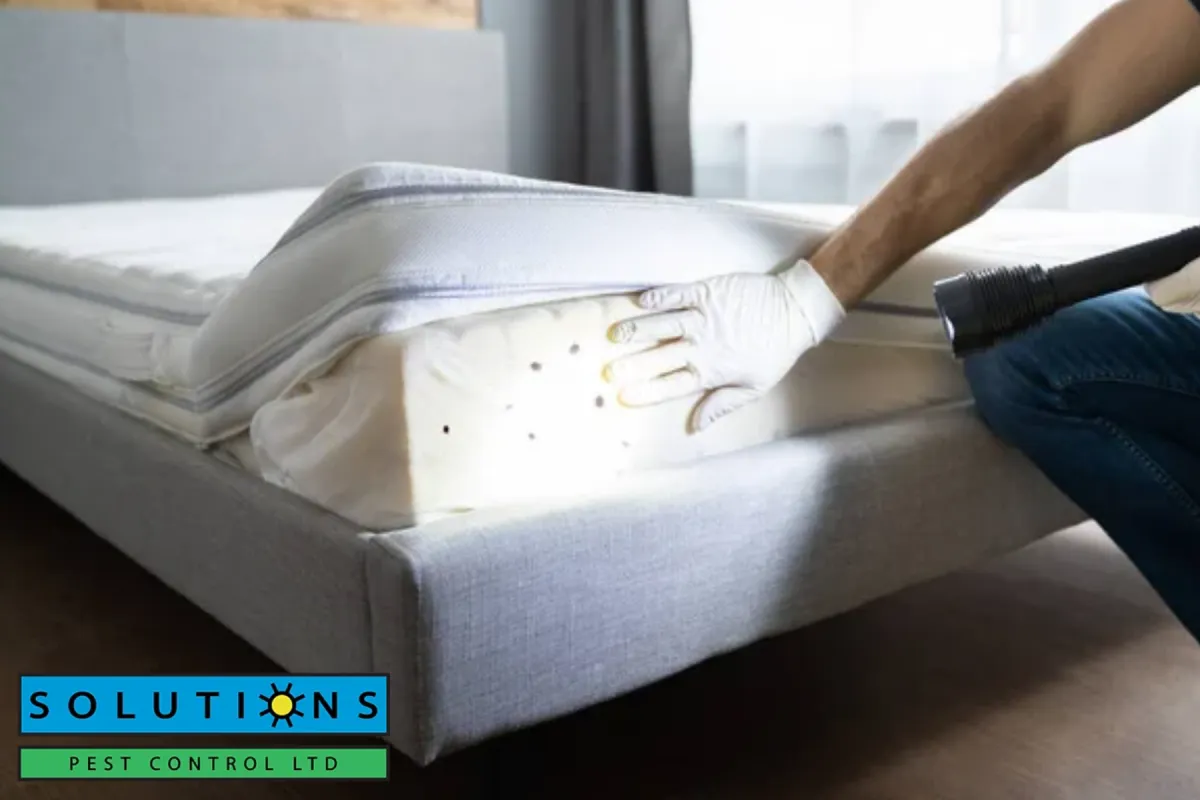
Check mattress seams, bed frames, headboards, nearby furniture, and cracks or crevices. A careful inspection is more reliable than judging by bites alone.
Bed bugs can appear in clean homes, hotels, apartments, and other shared spaces. Their presence does not automatically mean a property is dirty.
How Can You Reduce the Risk of Bed Bugs Spreading?
Bed bugs mainly spread by hitchhiking on belongings rather than by flying or jumping. They can hide in luggage, clothing, bedding, and used furniture, allowing them to move between homes and other locations.
If you suspect an infestation, take these steps:
Inspect Bedding and Nearby Furniture
Look closely at mattress seams, bed frames, headboards, and furniture close to sleeping areas. Use a flashlight to check narrow gaps where bed bugs may hide.
Handle Laundry Carefully
Place potentially infested clothing and bedding in sealed bags while moving them to the laundry area. Use a suitable washing and drying process for the fabric, following care labels. Where appropriate, a dryer cycle that reaches a sufficiently high temperature can help kill bed bugs and their eggs.
Avoid Moving Infested Items Around
Do not move bedding, furniture, or clothing from an affected room to other areas without taking precautions. This may spread bed bugs to new locations.
Be Careful With Secondhand Furniture
Inspect used mattresses, bed frames, couches, and other furniture before bringing them indoors. Check seams, joints, and hidden spaces for live insects or other signs of activity.
Seek Professional Help When Needed
Bed bugs can hide in small spaces and may be difficult to remove completely. If you continue finding insects or signs of activity after taking preventive steps, a professional inspection can help determine the extent of the problem and the appropriate bed bug treatment.
What Should You Know About Professional Bed Bug Treatment?
Treating bed bugs often requires more than cleaning the room or treating the mattress alone. A suitable plan should address where the insects hide and whether they have spread to nearby furniture or other areas.
Depending on the infestation, professional treatment may involve:
- Inspecting beds, furniture, and surrounding areas.
- Identifying likely hiding places and the extent of activity.
- Using suitable treatment methods based on the property and infestation.
- Providing preparation and aftercare instructions.
- Rechecking affected areas when follow-up is recommended.
Heat treatment and carefully selected pesticide applications may be options, depending on the situation. No single method is right for every property, and treatment success depends on correct application and attention to hidden areas.
If you are comparing Vancouver pest control providers, ask how they confirm bed bug activity, which treatment options they recommend, what preparation is needed, and whether follow-up inspections are included. A responsible provider should explain the plan clearly without promising that one visit will always eliminate every bed bug.
For homeowners looking into pest control in Vancouver, BC, choosing a provider with experience in bed bug management can help you understand the available options and the steps needed to address an infestation.
Frequently Asked Questions About Bed Bugs and Superbugs
Do bed bugs carry antibiotic-resistant bacteria?
A small 2011 Vancouver study found MRSA and VRE on bed bugs collected from three hospitalized patients. However, the study did not prove that the insects transmitted these bacteria to people.
Can bed bugs transmit MRSA to humans?
Bed bugs have been found carrying MRSA, but there is not enough evidence to confirm that they transmit it to people under normal conditions. More research is needed to understand the possible connection.
Do bed bugs spread HIV or hepatitis?
Bed bugs are not known to transmit HIV or hepatitis to people. Research has not established bed bugs as a route of transmission for these blood-borne viruses.
Can scratching bed bug bites cause an infection?
Yes. Scratching can damage the skin and allow bacteria already on the skin to enter, potentially causing a secondary infection. Keep bites clean and seek medical advice if symptoms worsen.
When should I contact a professional for bed bugs?
Consider professional help if you find live bed bugs, discover repeated signs of activity, or continue to see insects after taking preventive measures. Early identification can help prevent the infestation from spreading.
Conclusion
Research from Vancouver showed that bed bugs can carry antibiotic-resistant bacteria, including MRSA and VRE. However, this finding does not establish that bed bugs spread these bacteria to people. Current public health guidance says bed bugs are not known to transmit diseases, although their bites can cause itching and may lead to secondary skin infections when scratched. Solutions Pest Control can help homeowners explore appropriate bed bug treatment options and take steps to address an infestation.
The most practical response to a suspected infestation is to confirm the presence of bed bugs, avoid spreading them through belongings, and choose an appropriate treatment plan.
Need Help With a Bed Bug Infestation?
If you suspect bed bugs in your home, Solutions Pest Control can help you explore professional treatment options. Contact our team to discuss your concerns and learn how to address the infestation.
LEARN MORE HERE:
Where to Look for Bed Bug Droppings in Your Home