

Control Ltd
Control Ltd
Ant Control Services
Solutions Pest Control is familiar with all the types of ants that live in your neighbourhood, and the problems ants can bring to your home or business.
Local Ant Problems
Ants primarily reside outdoors and serve as valuable scavengers that aid in maintaining the tidiness of gardens and landscaping. However, some ants can create problems when the otherwise harmless insects invade homes to forage for food.
The likelihood of a home invasion is high in the well-developed Metro Vancouver region, as these ants often prefer to live in a moist, protected spaces with abundant food sources.
Ants live in colonies. Their social structure is highly organized and efficient, with the sole objective of growing their colony. Given a suitable habitat near a food source, say your home or kitchen area, a colony will continue to grow. There is no reason for them to leave unless you make a change.
If you are dealing with an established ant colony you should seek out a professional; call Solutions Pest Control.
Most ants commonly found in BC are not aggressive, although some can bite. Ants should be tolerated as much as possible since they cause little damage to the garden. They can even be considered beneficial because they eat other insects like young silverfish and moths.
Certain kinds of ants commonly build nests in or near homes. They become pests when you see unsightly trails of workers throughout your home taking advantage of the various food and moisture sources available. Homeowners with infestations can even report flying ants during mating season.
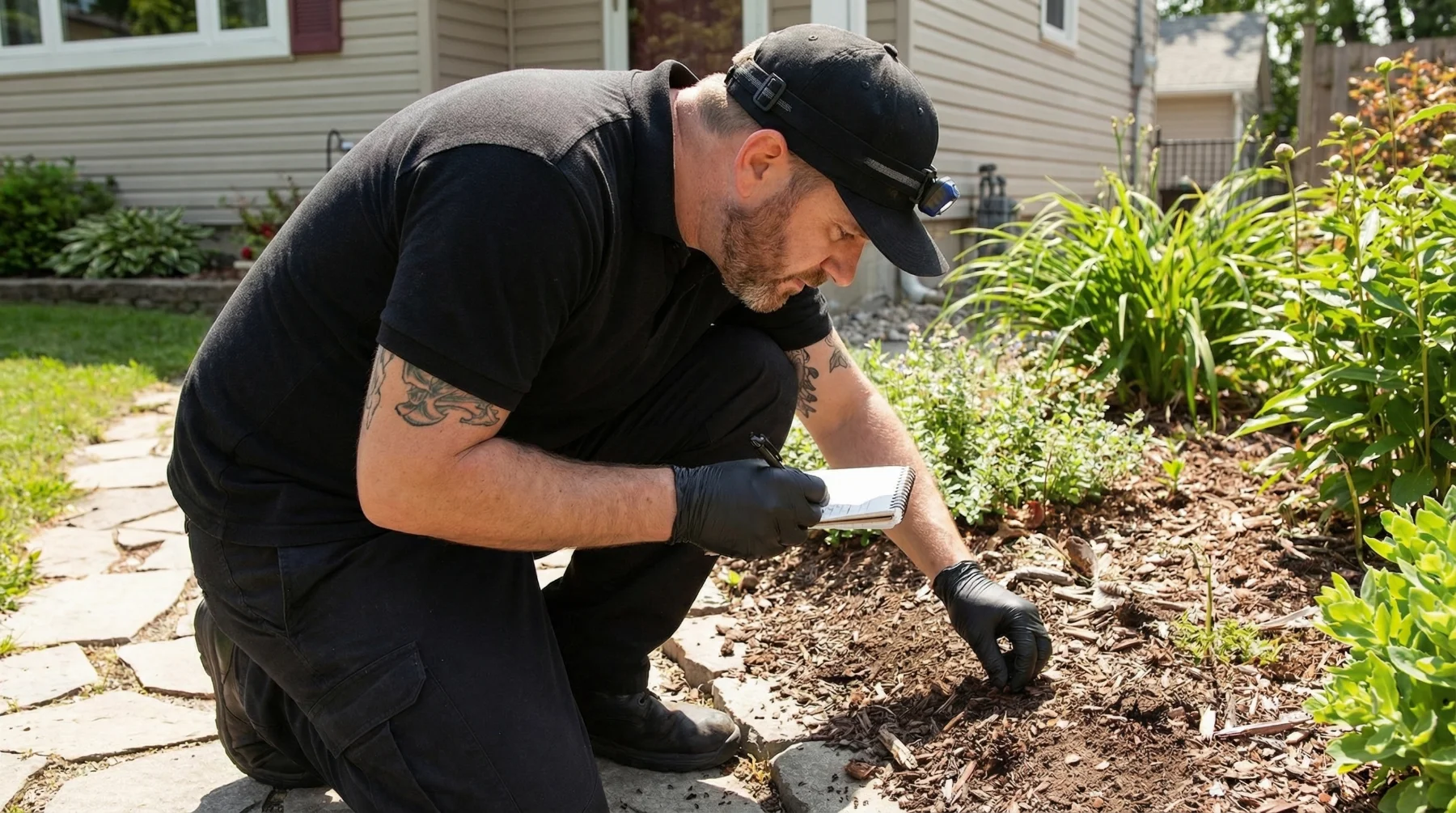
More on the problems caused by ants in the home.
-
Should you be concerned?
Species known to invade homes in BC include the:
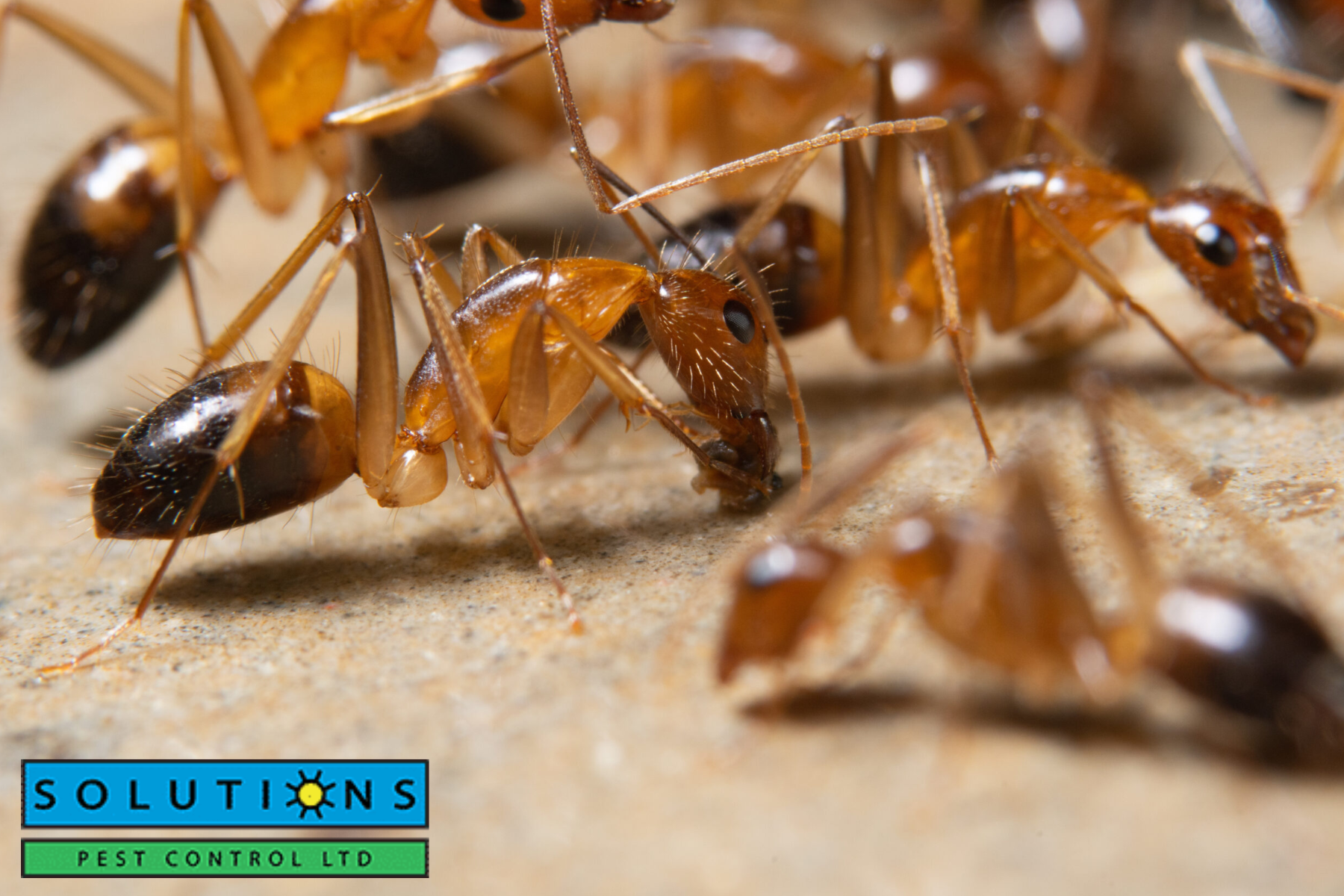
Pavement ants can become a nuisance in lawns, gardens, and pathways, as well as indoors.
-
Ant Species That Cause Problems
Our local household ants create problems by nesting in residential areas, invading homes in search of food, and even causing structural damage to buildings. Learn more about us!
Household ants often travel in large groups to collect food from previously identified sources
Gathering food en masse can contaminate indoor areas where people eat or prepare meals.
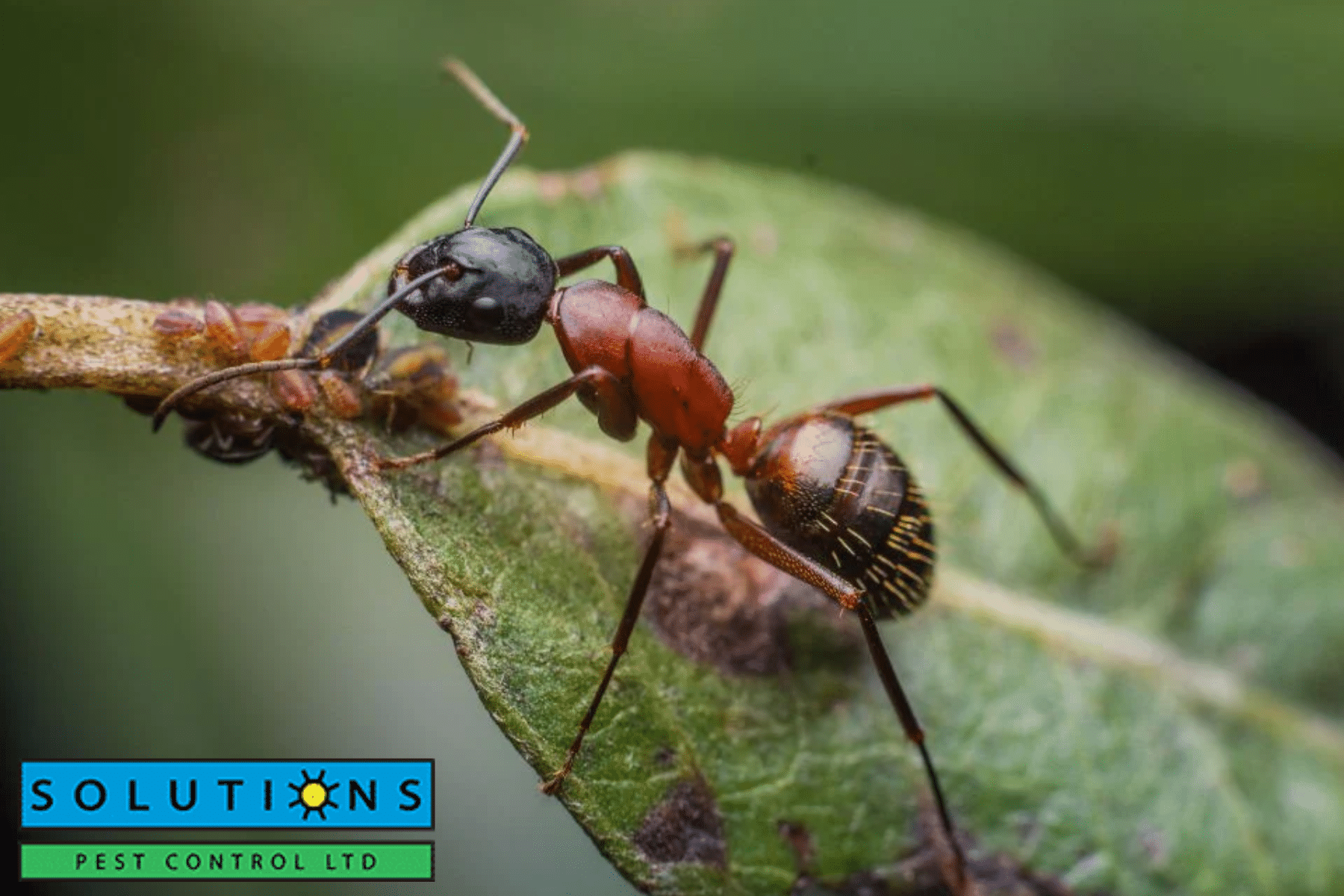
Carpenter Ants do not eat wood; rather, they chew up wood to make nests for their colony.
When collecting food from an indoor source like a kitchen or pantry, the foraging insects may transfer dirt and other unsanitary materials to countertops, shelves, and edible items.
Pharaoh ants can spread several harmful pathogens, including Salmonella spp., Staphylococcus spp., and Streptococcus spp, producing severe health concerns to you and your family
-
Problems With Ants In The Home
Solutions Pest Control is familiar with all the types of ants that live in your neighbourhood, and the problems ants can bring to your home or business. Give us a call today if you notice too many ants in your house.
Identify Your Pest Ants
Although the different types of ants in Metro Vancouver share many of the same general traits regarding overall appearance and behaviour, each species retains unique characteristics that affect accurate identification and effective ant control.
Knowing which species has laid claim to your home is crucial to removing them. Don’t wait; the issue will not go away unless you take action.
From Our Clients
Client Testimonials



Ant Infestation
Signs of Infestation
Typical household ants often send individual workers (scouts) from the colony to inspect surrounding areas and locate food sources.
While the presence of a lone ant indoors does not necessarily indicate a nest inside as well, it does signal the existence of a colony in the nearby vicinity.
It also indicates a high probability of hundreds or thousands of ants returning once the scout ant notifies the colony of the food source.
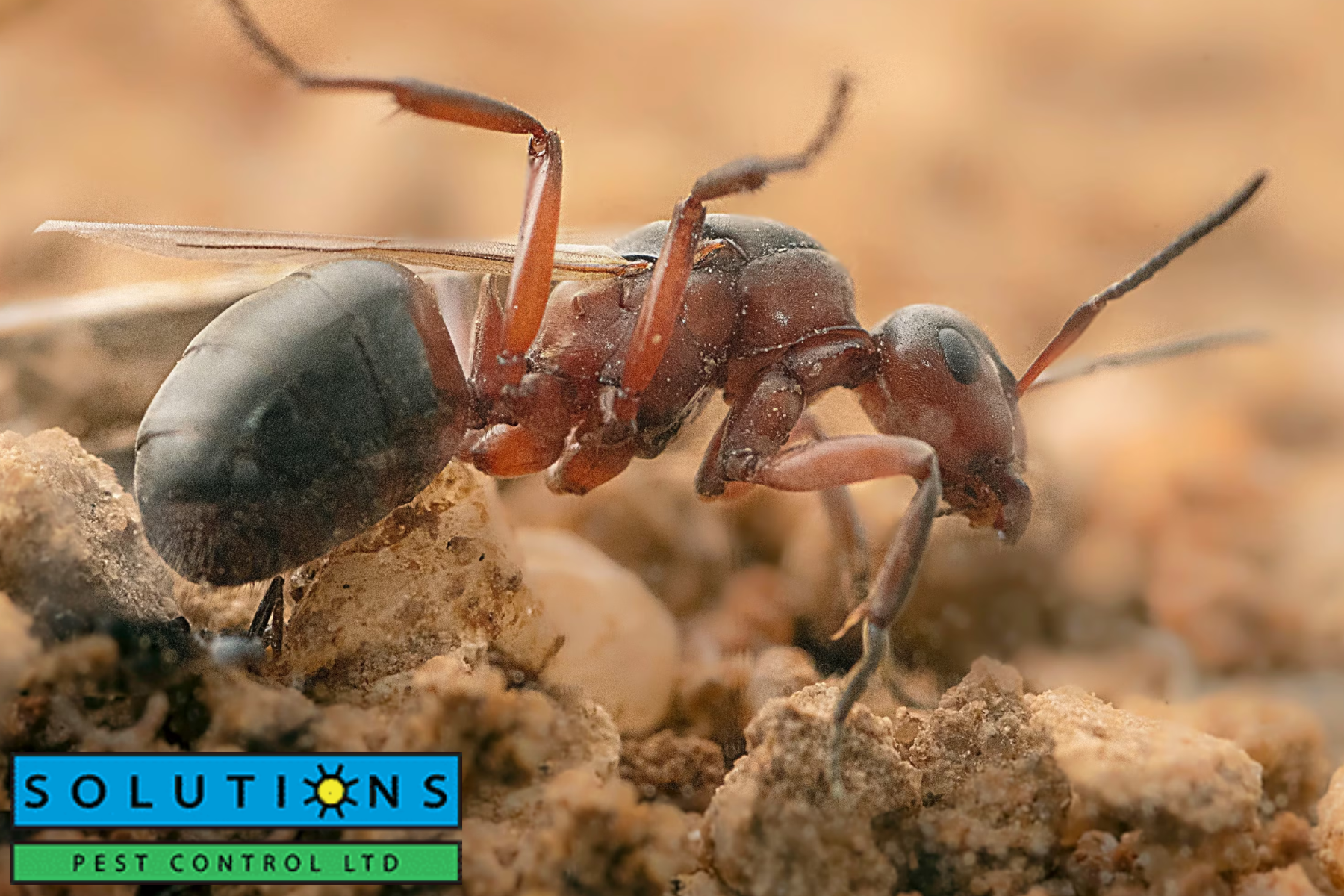
The sight of swarmers, either dead or alive, serves as another sign of a nearby ant infestation. A well-established colony will produce a mating swarm once a year to establish a new nest and grow a new colony.
What Do Ants Eat? – Their Diet
The local household ants are strongly attracted to these types of foods:
- sugar and sugary foods like honey, soft drinks, and ice cream;
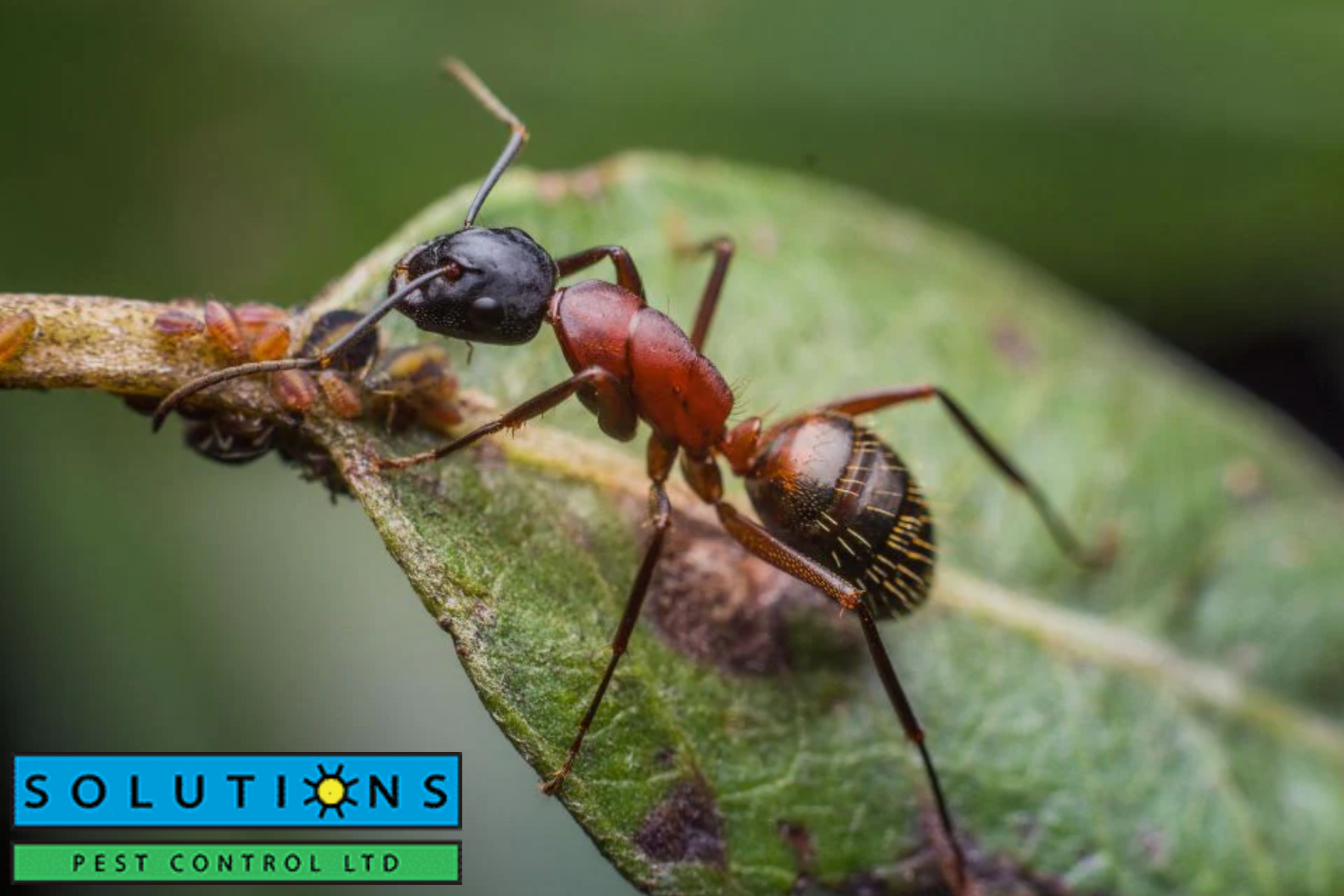
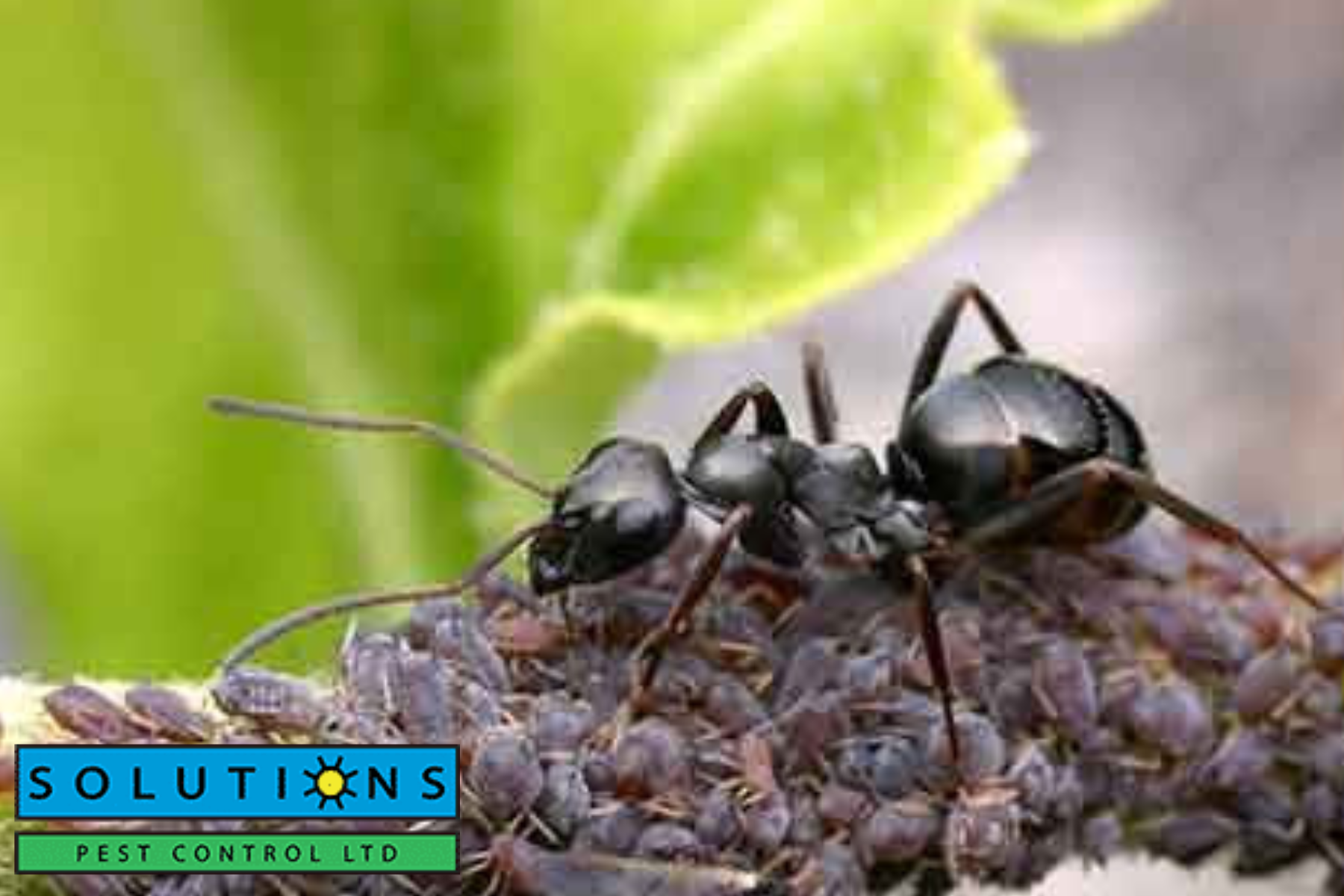
- honeydew secretions produced by aphids on infested houseplants;
- greasy foods (like peanut butter or crumbs);
- protein by feeding on meats and dead insects; and
- spilled greases and oils.
Where Do Ants Come From? – Ant Reproduction
Ants live in colonies. Their social structure is highly organized and efficient, with the sole objective of growing their colony. You can better understand your ant pest issue by understanding ant behaviour.
Swarming
Many local ant colonies grow by producing winged males and females called alates/swarmers. At specific times throughout the year, the swarmers leave the colony and mate.
The males die after mating, while the newly established female queens locate a suitable nesting site, shed their wings, and begin to lay eggs.
Larva stage
Ant larva looks like legless, whitish cylinders hatch from the eggs. They develop into pupae under the care of the queen/other worker ants.
Pupa
The pupae become adult worker ants (all females) after a few weeks and take responsibility for the safety and development of future eggs, which the queen continues to lay.
Colony Budding
While most types of household ants use mating swarms to reproduce, certain species rely on a process called budding.
Ants that reproduce by budding, which means the ants simply divide the colony when it becomes too crowded, with one or more queens leading a group of workers (which carry eggs and immobile larvae) to a new nesting site.
Ant Control Treatments
Ant Control Strategies
Prevention strategies can be applied in every household.
Dealing with an established ant colony is tricky. If you do not locate the main nest and eliminate the queen, you could cause the colony to split into two “Budding” and possibly double your problem.
If you are dealing with an established colony, you should call Solutions Pest Control to eliminate your ant pest problem.
Prevention
Ant colonies send out scouts to search for food. Ants are attracted to many types of food. They enjoy eating sugary and greasy foods (like peanut butter or crumbs) and are also attracted to the “honeydew” produced by aphids on infested houseplants. A successful scout leaves a scented trail for other workers to follow back to the food source.
Steps to take to discourage ants from finding food in your home:
- Store ant-attractive foods in glass jars with rubber gaskets, or in plastic containers with lids that snap tight.
- Keep kitchen countertops clean. Sweep or vacuum the floor often, especially around pet dishes.
- Rinse containers before putting them in the garbage or recycling bins.
- Empty kitchen garbage containers often.
- Place composters at a reasonable distance from your house.
- Place pet food dishes in a shallow dish of water. Most ants can’t swim, so they won’t be able to get at your pet’s food.
Removing access to food and water is the easiest way to avoid pest problems.
Physical control
- Indoors, caulk along baseboards, cracks, and crevices to keep ants from passing through your house. If needed, use duct tape or petroleum jelly to seal cracks temporarily.
- Ants will not cross sticky barriers. Try placing two-sided tape around the legs of plant stands.
- Flood ant nests repeatedly with a garden hose to encourage the ants to move farther away from your house.
- Pour boiling water and detergent down the nest to temporarily reduce the population of a colony.
Repair and seal as many visible cracks in the foundation and exterior walls of your house as possible.
Non-chemical products
Diatomaceous earth can be placed in cracks and crevices as a non-chemical means of control. This powder is made up of crushed microscopic marine fossils that scratch the outer “skin” of ants, causing them to dehydrate and die. Diatomaceous earth will remain active as long as it is kept dry. It is non-toxic to humans and pets, but be careful not to inhale the dust when applying this product.
Chemical products
Chemical pesticides, sprays, and dusts can be used effectively as barrier and nest treatments. Applying a chemical directly in the nest may eliminate colonies. Anthills show where the colony has built a nest, so look for anthills in your yard or follow the ant trails back to the nest. Nests located indoors in wall voids can be treated with dust pesticides that can be puffed into the area.
Chemical barrier treatments can be applied to baseboards or door and window frames to keep outdoor nesting species from searching for food indoors. Spraying indoors where trails have been noticed may cut off food and water sources for an indoor nest and encourage the colony to split into multiple new colonies. If the treatment seems to increase the number of ants, try using a bait system to control them.
Many chemical products can be used by consumers to control ants
Bait systems
So a bait system must work slowly enough to allow all members of the colony to ingest the poison. A bait system is a highly effective way of getting rid of an ant colony. Baits containing boric acid are generally of low toxicity to other animals.
- Place bait stations directly in the path of foraging ants, but out of the reach of children and pets. Ant trails are commonly found along baseboards, the carpet edge along walls, or the edges and inside corners of cabinets.
- Use plenty of bait stations. Two different baits at the same time will give better results.
- Keep baits available for at least two weeks. Repeated bait applications may be needed.
- Do not use chemical sprays to kill ants while using a bait system, or the bait system will not work. Reapply the bait if needed.
Ants gather food and bring it back to the nest to feed ant colony members.
Ant Control Products
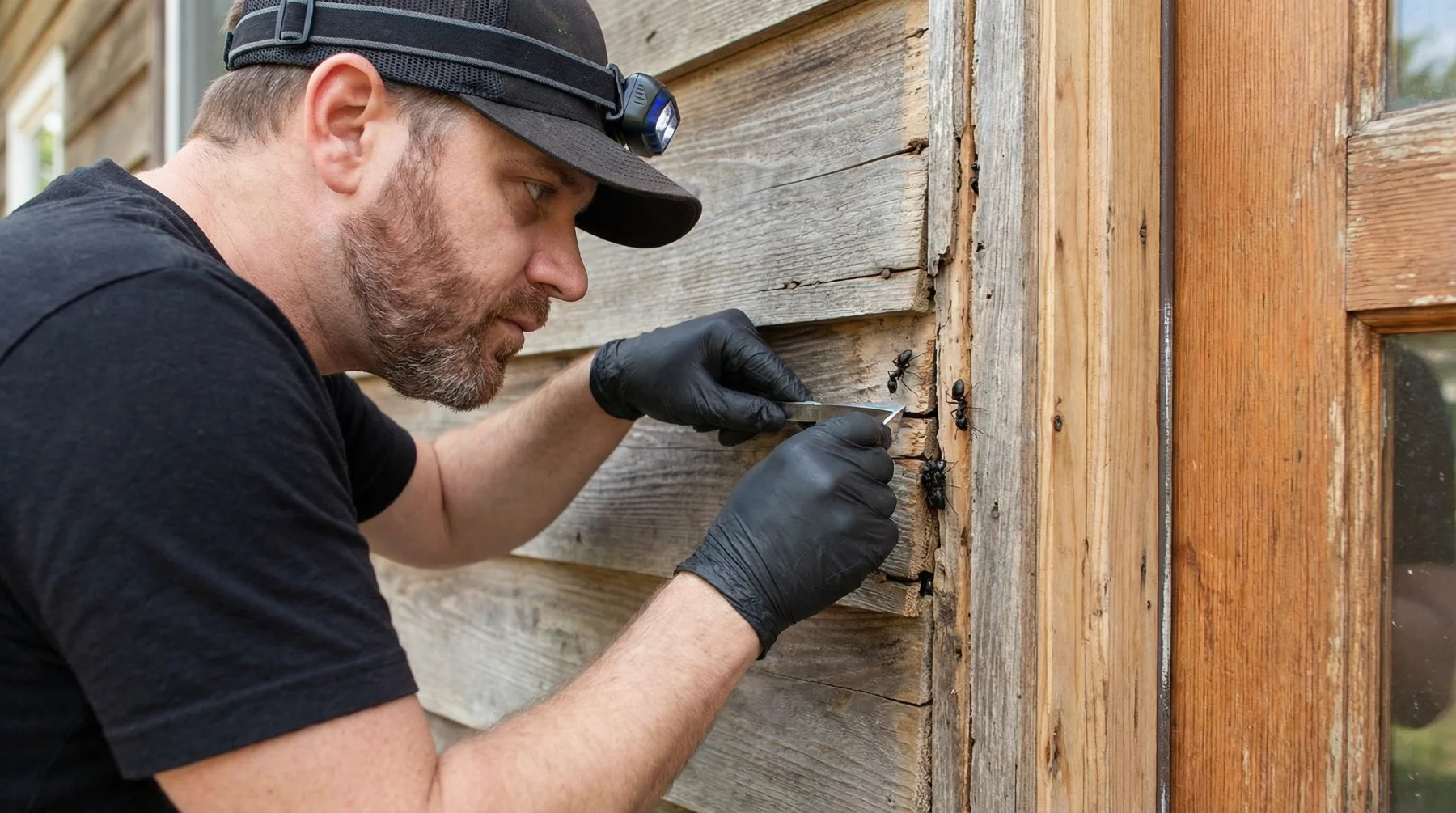
Certification
Home Owners May Require Residential Applicator Certificate
If you are a homeowner and are planning to use pesticides on your property in British Columbia, you may require a Residential Applicator Certificate under the Environmental Protection & Sustainability Ministry.
Solutions To Your Pest Control Issues
Dealing with ant infestations can be a trying experience. That’s why when you have problems, you need Solutions. Protect your home and your loved ones with professional ant control solutions so that you can enjoy an ant-free home. For more information about the region and its services, visit the City of Vancouver’s Official Website or explore the Wikipedia page for Vancouver.
Our team is ready to solve your pest issues, call Solutions Pest Control today!
Or Schedule a Service Call Now!
BBB Accredited
Why Solutions Pest Control?
We are your local pest control expert. Our friendly pest control techs live and work in your neighbourhood. We are very familiar with the local pest issues and are ready to help. Learn more about us!

DIY Store
DIY Pest Control
If your pest issue is not too big, you may want to try one of these pest control products. Contact us now!
Trusted
Our Guarantee
We will solve your pest problems, and if we can not, we will connect you to the person that can.
– That’s our guarantee to you.

Be pest-free tomorrow!
Call us today
or you can
Proven and Tested
Pest Control Services
FAQ
Frequently Asked Question
1. How do ant control services work?
Our ant control services begin with an inspection to identify the ant species and locate their nests. Based on this, we create a treatment plan that may include baiting, spraying, and sealing entry points. Our team will implement the solution and conduct follow-up visits as needed to ensure long-term results.
2. How can I tell if I have an ant infestation?
Signs of an ant infestation include seeing large numbers of ants, especially in the kitchen; trails leading to food sources; or ants around moist areas in the home. You may also spot flying ants during mating season. If you notice these signs, it’s best to call a professional for inspection and treatment.
3. What can I do to prevent ants from entering my home?
To prevent ants, store food in airtight containers, clean up food crumbs and spills immediately, and seal cracks and entry points around windows and doors. Also, consider removing outdoor food sources, such as pet food or unsecured garbage. Our team can provide more targeted preventative solutions for your specific needs.
4. How does Solutions Pest Control handle ant infestations?
We use a combination of baiting systems, non-chemical treatments, and physical barriers, such as ant-repellent products, to eliminate ants. Our professional technicians will identify the species and the source of the infestation to provide the most effective solution. For established colonies, we often recommend more intensive treatments to ensure long-term control.
5. How long will it take to get rid of ants after treatment?
The timeline for ant control depends on the severity of the infestation and the species involved. Some treatments, such as baiting systems, may take several days to be fully effective because ants carry the bait back to the colony. However, you should begin to see a reduction in activity within a few days, and the infestation should be under control within a week or two.
Schedule a Pest Control Service Call
Are you ready to get rid of the pests? Click Here to schedule your pest service now!
Read
Ant Control Blog
We gathered the following, most recent Ant Control posts from Solutions Pest Control’s – Bug Blog. These are topical posts we’ve written over the years about ant issues in Metro Vancouver and Whistler Sea-to-Sky corridor area. If your neighbours had these issues in the past, our bug blog posts might be relevant to your concerns today.
There is a great deal of information in our Bug Blog posts, perhaps one will address the pest issues you are experiencing today. Please have a look at our Bug Blog page and give us a call if we can answer any questions.