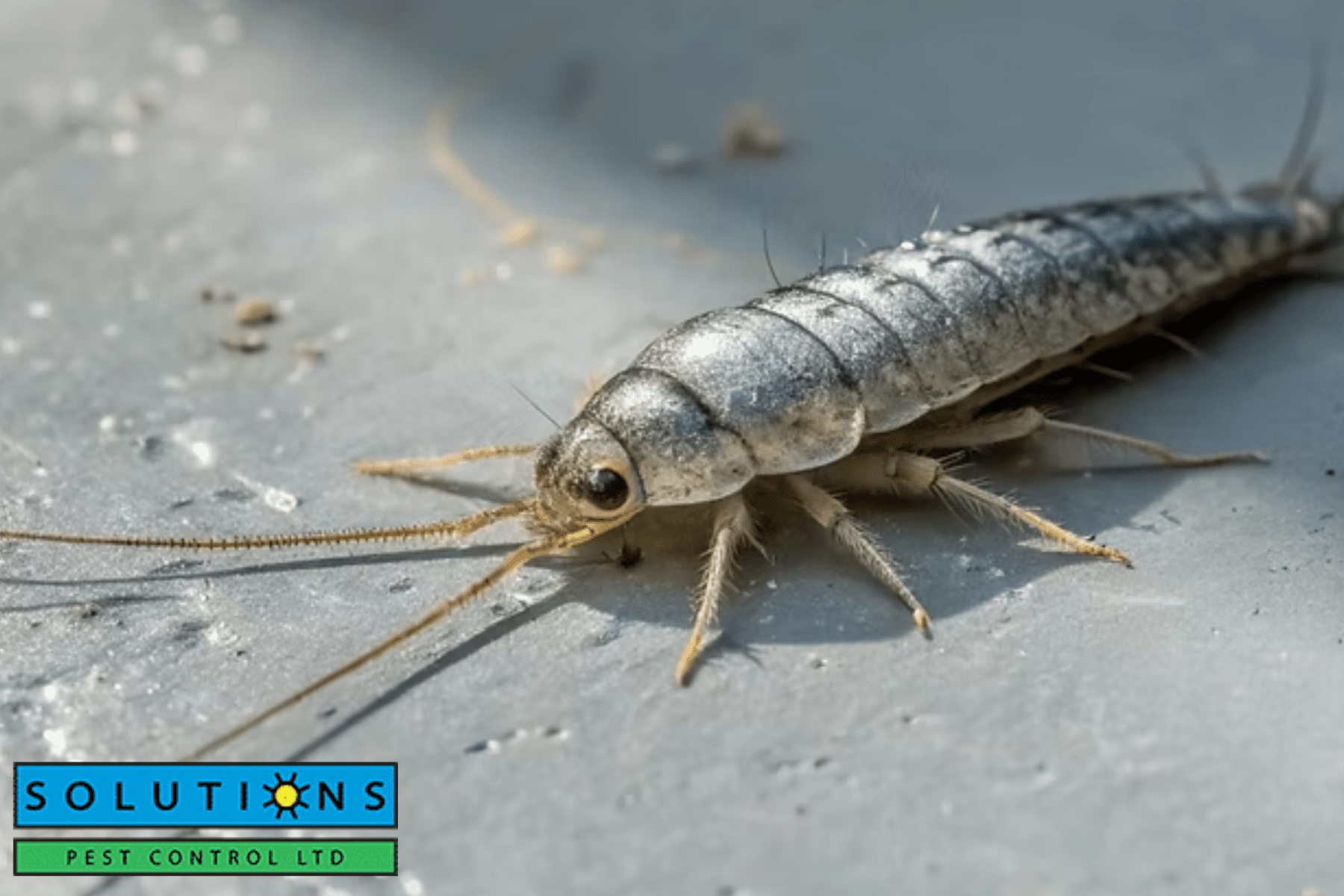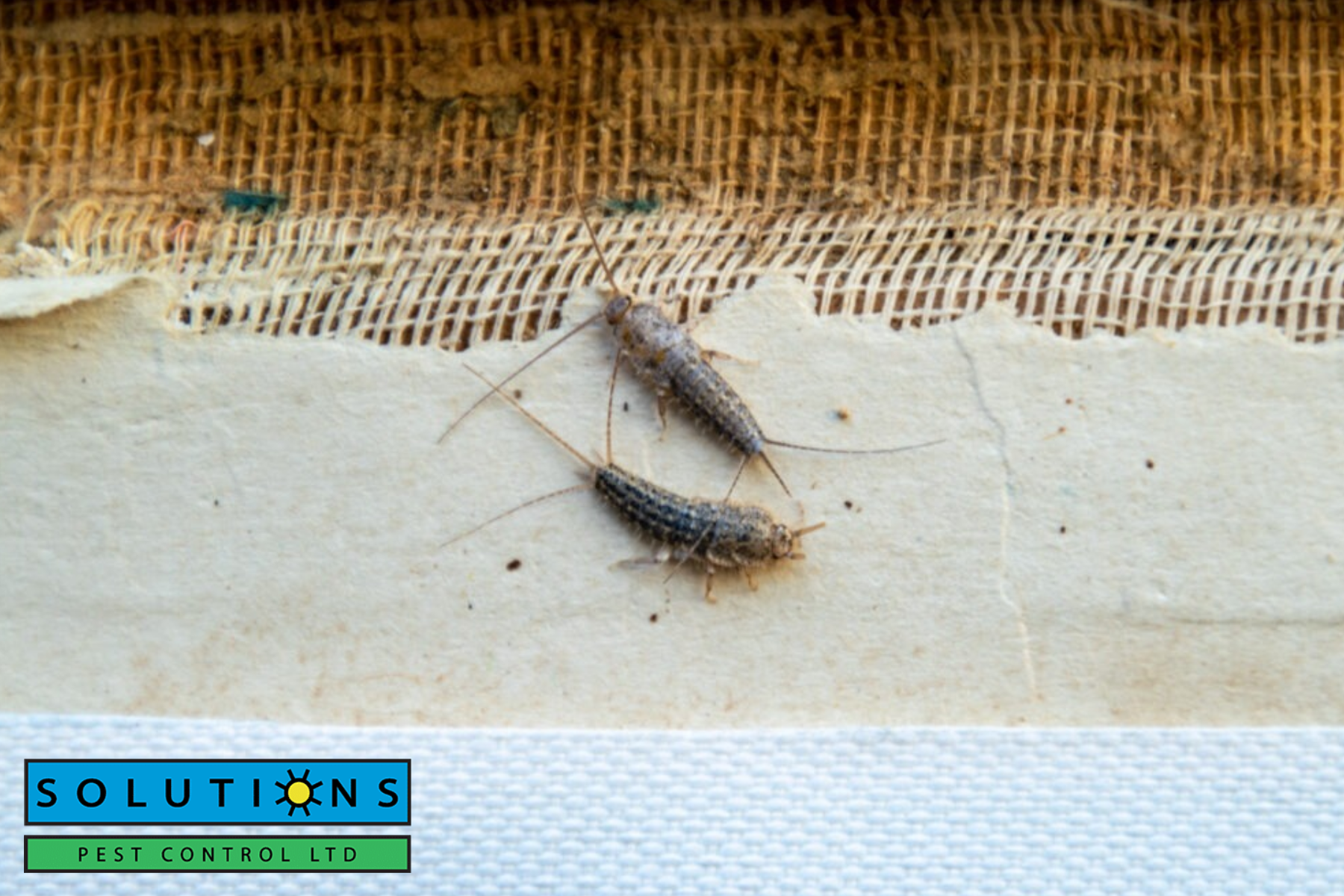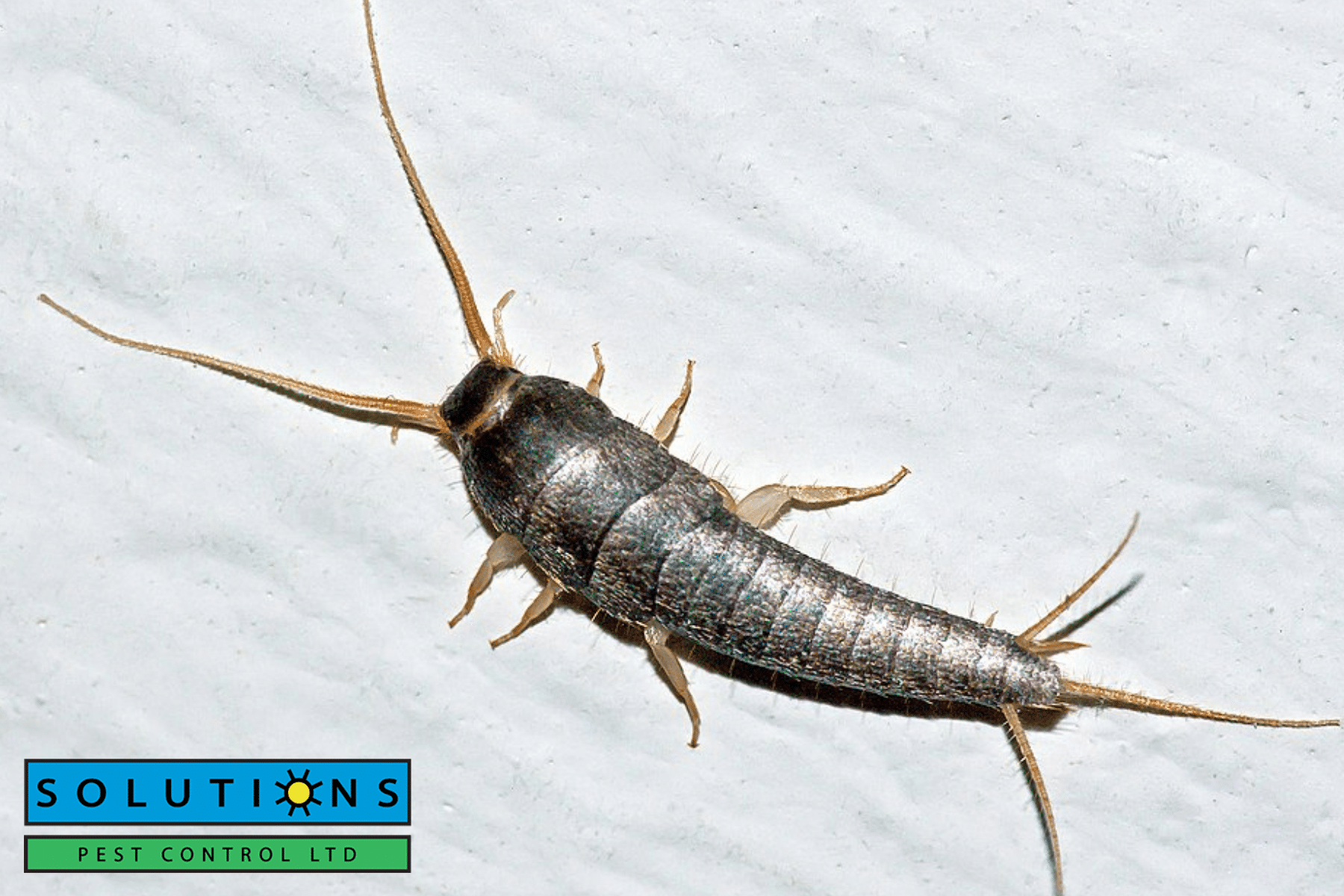


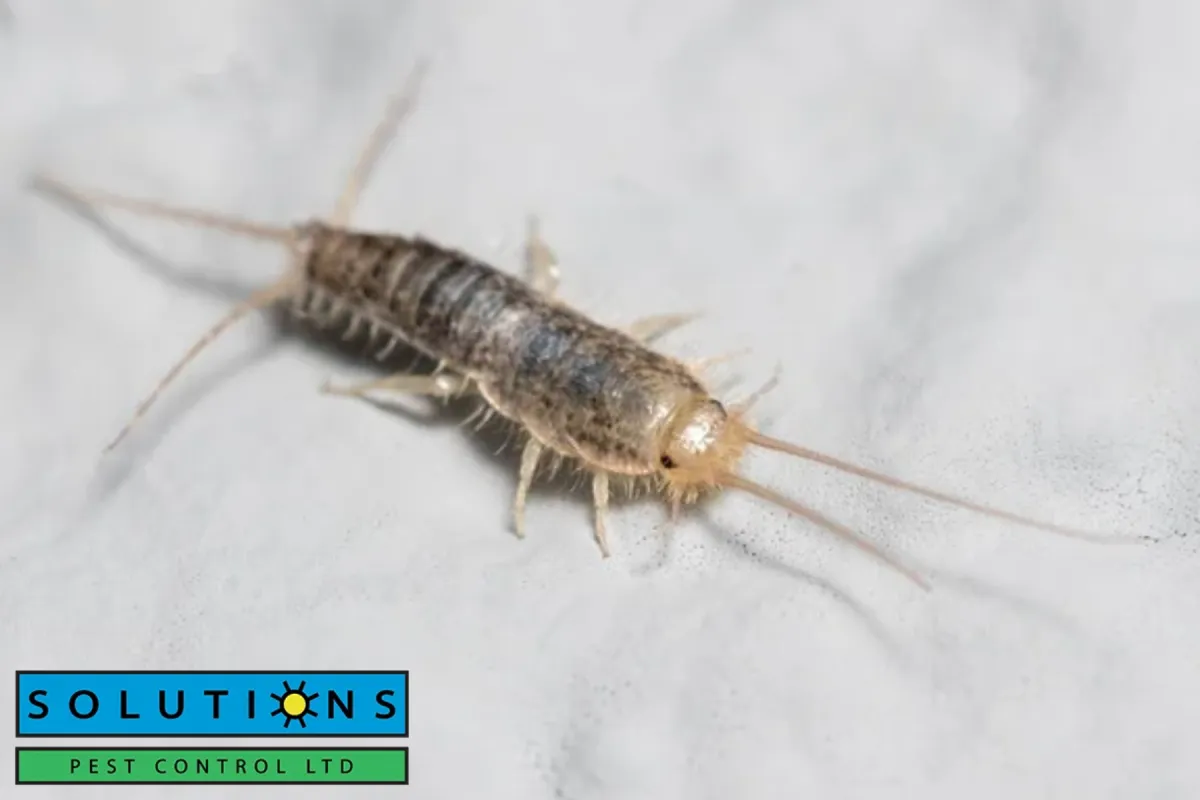

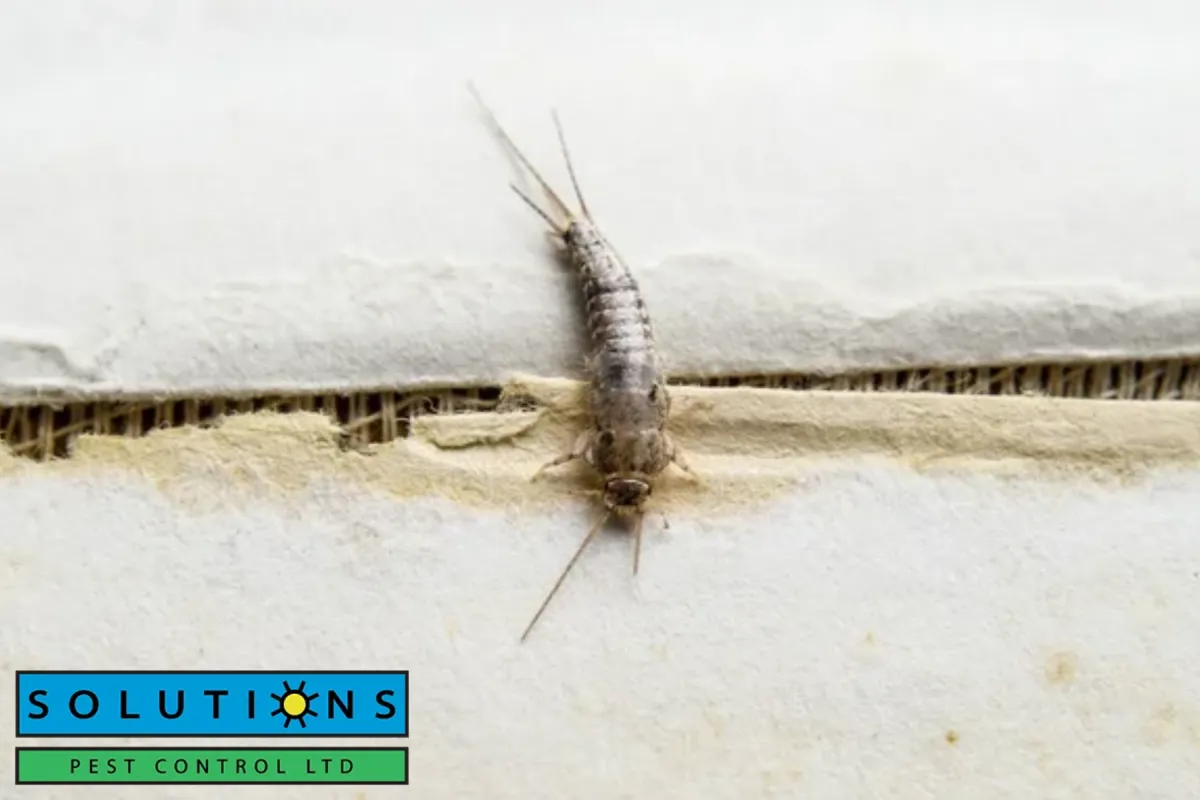
When you spot a fast-moving insect, it’s important to identify whether it’s a silverfish or a firebrat. Silverfish are shiny and prefer cool, damp areas like basements, while firebrats are grayish-brown and thrive in hot environments like attics. Though both pests destroy books, wallpaper, and dry goods, understanding their habitat preferences is key to effective treatment without introducing unnecessary chemical risks.
Visual and Environmental Differences
While both insects share a distinctive teardrop-shaped body with two long antennae at the head and three long tail appendages at the rear, their physical appearance and ideal living conditions are completely distinct. Knowing what to look for will tell you exactly where the core infestation is hiding.
| Feature | Silverfish | Firebrats |
| Color & Texture | Solid, shiny, metallic silver, or uniform pearl-gray scales. | Mottled, speckled grayish-brown with darker bands across the back. |
| Ideal Temperature | 70°F to 80°F (cool to moderate room temperatures). | 90°F to 105°F+ (extremely hot microclimates). |
| Preferred Moisture | Extremely high humidity (75% to 90%). | Moderate to high humidity, but can easily tolerate drier heat. |
| Common Hiding Spots | Damp basements, under bathroom sinks, wet crawlspaces. | Near furnaces, hot water heaters, boiler rooms, bakeries, and attics. |
| Primary Diet | Starches, glue, paper, wallpaper paste, and linen. | Starches, flour, book bindings, dog food, and rayon. |
During a recent property evaluation, a homeowner was frustrated by insect damage to old photographs stored in their attic. Because of the extreme summer heat trapped under the roof, we quickly identified the culprits as firebrats rather than silverfish, which allowed us to target the treatment safely and effectively. If you’re facing a similar issue, our expert exterminator in 100 Mile House, BC, can provide efficient, tailored solutions to protect your home and belongings.
4 Hidden Treatment Risks and Challenges
Treating these specific pests requires safely navigating the extreme environments they live in. Applying standard pest management methods without considering these unique conditions poses significant risks to your property and drastically reduces treatment efficacy.
- Flammability and Heat Hazards: Firebrats live directly next to intense heat sources like furnaces, industrial ovens, and commercial boilers. Applying certain liquid pesticides, aerosol propellants, or oil-based treatments in these high-heat zones creates a serious fire hazard. Furthermore, extreme heat can cause chemicals to rapidly vaporize into the air that your family or employees breathe.
- Moisture Degradation of Chemicals: Silverfish hide in constantly damp environments. If a technician applies standard synthetic liquid barriers in wet basements, weeping crawlspaces, or leaking sink cabinets, the moisture quickly dilutes the product. It is often washed away or broken down by naturally occurring mold and mildew, rendering the treatment useless within days.
- Food Contamination Risks: Both pests actively seek out complex carbohydrates and are frequently found in pantries, commercial bakeries, and residential kitchens. Treating these sensitive areas with broad-spectrum sprays risks contaminating human and pet food sources, compromising your household’s health and safety.
- Inaccessible Harborages: Because both insects are incredibly flat, they squeeze deep into wall voids, under heavy insulation, and behind tight baseboards. Surface-level treatments fail to reach the breeding population. In older buildings around 100 Mile House, these deep harborages make it difficult to reach the colony’s root without specialized equipment, leading to chronic, recurring infestations if not handled properly.
Debunking a Common Industry Myth: “Standard Baseboard Sprays Eliminate Both Pests Equally”
A prevalent, frustrating, and ultimately costly myth is that because silverfish and firebrats are closely related, a generic insecticidal spray applied along your baseboards will easily wipe out both populations.
The Reality: Standard liquid sprays are highly ineffective against both pests, but for opposite reasons. Because firebrats nest in extreme heat (often well above 90°F), standard liquid suspensions evaporate too rapidly, and their chemical bonds break down before the pests can even cross the barrier. Conversely, silverfish live in high-moisture zones where standard sprays are heavily diluted by condensation and dampness.
Furthermore, simply spraying baseboards does not address the eggs safely hidden deep inside your wall voids. To achieve total eradication, the treatment must be uniquely tailored to the specific temperature and humidity of the pest’s micro-climate. When you are looking for reliable pest control in 100 Mile House, BC, it is vital to choose experts who understand the science behind these microclimates rather than relying on a one-size-fits-all spray.
Applying our Environmental Control Protocol to Solve This
If you are struggling with a persistent bristletail infestation, we highly recommend an eco-friendly, highly targeted approach. Instead of blanket chemical applications, our proprietary protocol focuses on altering the specific environments where these pests breed.
- Step 1: Population Reduction and Inspection: The first phase is immediate reduction. We thoroughly inspect the property to locate the high-heat and high-moisture zones. By identifying these areas, we can physically remove adult populations using specialized vacuums and targeted, low-impact methods.
- Step 2: Elimination of Any Potential Attractants: Neither pest can survive without a food source. We work with you to eliminate any potential attractants. This means moving old cardboard boxes out of damp basements, storing seasonal clothing in airtight plastic bins rather than cardboard, and sealing dry pantry goods (like flour, oats, and pet food) in hard plastic or glass containers.
- Step 3: Non-Chemical Climate Disruption: We pride ourselves on offering Non-chemical solutions whenever possible. Because silverfish require high humidity to survive, the most effective long-term solution is to install a high-capacity dehumidifier in basements and crawlspaces to remove moisture from the air, creating a hostile environment for the insects.
- Step 4: Thermal Regulation: For firebrats, we recommend evaluating your home’s HVAC system and insulation. Using programmable temperature control to cool down typically hot zones (such as properly ventilating an attic or insulating boiler pipes) removes the extreme heat these pests need to reproduce.
- Step 5: Ongoing Monitoring: Finally, we strategically place specialized glue traps in the identified risk zones. These traps safely capture any remaining foraging insects and provide us with ongoing data to ensure the population has been completely eradicated.
Whether you need targeted silverfish removal or comprehensive 100 mile pest control, focusing on environmental modification ensures long-lasting, safe results.
People Also Ask
Do silverfish or firebrats bite humans or pets?
No, neither of these insects bites humans or animals. They do not carry venom, nor are they known to transmit diseases. Their mouthparts are designed exclusively for scraping and chewing starchy materials such as paper, glue, and dried foods. The primary threat they pose is property damage to your belongings.
How do firebrats and silverfish get into the house?
They are often brought inside accidentally. They can hitch a ride in cardboard boxes, old books, second-hand furniture, or stacks of infested paper. Alternatively, they can enter through tiny cracks in your foundation, gaps around plumbing pipes, or under poorly sealed doors in search of moisture or warmth.
Are these bugs harmful to my home’s structure?
Unlike termites or carpenter ants, they do not eat wood and will not compromise the structural integrity of your home. However, they will cause severe cosmetic damage to wallpaper, ruin important documents, chew holes in natural-fiber clothing (such as silk, linen, and cotton), and contaminate food in the pantry.
How long does it take to completely get rid of them?
Because their eggs are usually hidden deep in inaccessible wall voids, it can take several weeks of consistent environmental control (like using a dehumidifier) to break their life cycle. A professional exterminator can significantly accelerate this process through targeted, eco-friendly exclusion and trapping methods.
Secure Your Home with Trusted, Eco-Friendly Pest Experts
Dealing with pests that destroy your personal belongings and contaminate your living spaces can be incredibly stressful. As a professional and reliable company, our goal is to be the trusted experts that residents and business owners turn to for effective, tailored pest management. We bring a wealth of experience and a deep commitment to delivering high-quality, environmentally friendly solutions that prioritize your family’s safety and peace of mind.
At Solutions Pest Control, our core belief is that effective pest control shouldn’t have to come at the expense of the environment. Whether we are treating a property in Vancouver or helping a family in 100 Mile House, our eco-friendly services are customized to meet your exact needs. We focus on long-term prevention through environmental modification, ensuring your home remains pest-free while minimizing any environmental impact.
You deserve to feel confident and secure in your own home. Let our experienced team provide the swift, professional resolution you need to protect your property from silverfish, firebrats, and any other unwanted guests.
Ready to reclaim your space? Reach out to us today for a consultation or a personalized quote. We also invite you to follow us on social media for the latest updates, seasonal advice, and helpful tips!
Learn more here:
Do Silverfish Traps
Really Work? What You Need to Know Before You Buy
The Hidden Dangers of Silverfish Eggs: How They Can Damage Your Belongings