


Solutions Pest
Control Ltd
Control Ltd
Solutions Pest
Control Ltd
Control Ltd
Wildlife Control Services
Solutions Pest Control preferred approach to wildlife control is to gently nudge them back out into their natural surroundings to find an appropriate and permanent place to live.
Humane Wildlife Control Services
Allowing the wildlife to remain in its natural territory while excluding it from your home (or business) ensures the delicate balance between humans and animals is preserved.
Wildlife Control is defined differently by others in the pest control industry. However, at Solutions Pest Control, we define Wildlife Control as the humane removal of wildlife from your home and living areas; and then the prevention of future wildlife problems.
The “humane” part is simple. Solutions Pest Control avoids the use of live trapping and relocation if at all possible. When the animal is trapped and relocated, it is taken out of its territory and away from its family and food supplies. This greatly reduces the chances of survival. Find out more about our Wildlife Control Treatments.
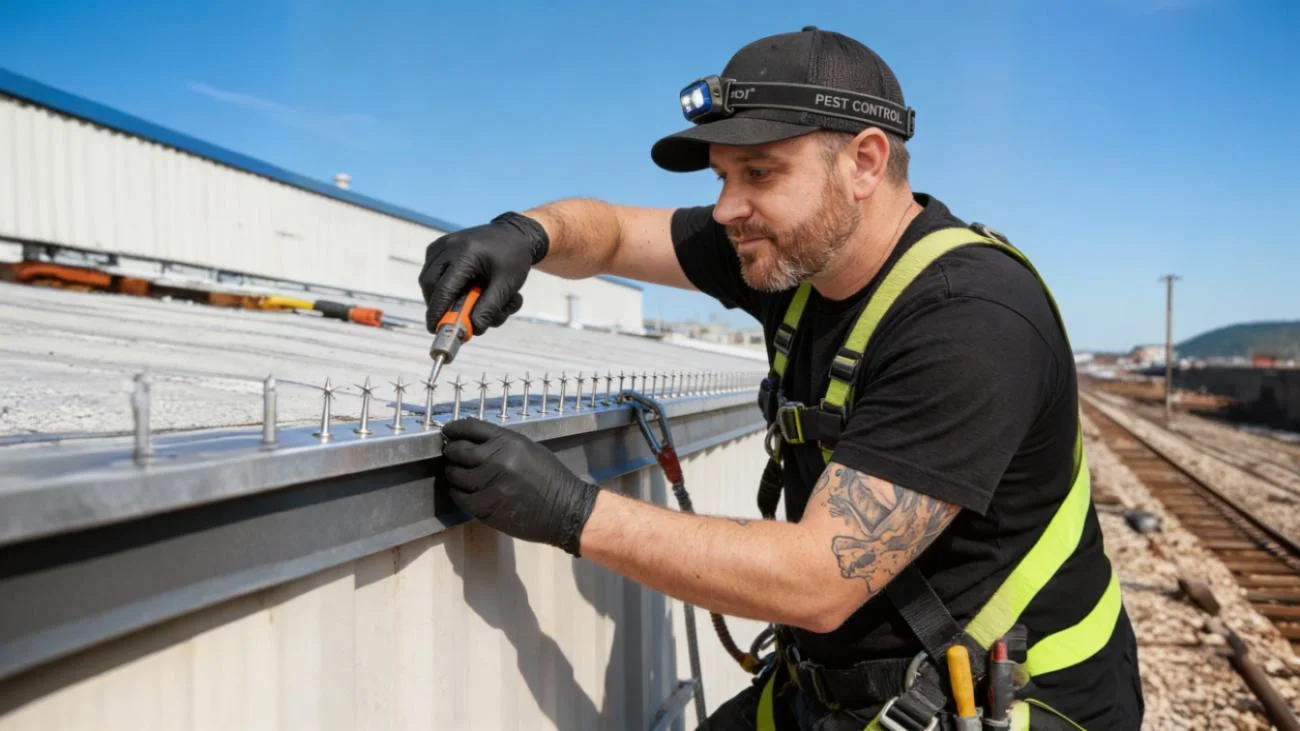
We all love to watch wildlife from a distance but having one live in the walls or rafters of your home is a bit too close for comfort.
Not only do they cause damage and make noise in the walls they are a health hazard to humans.
Local Wildlife Problems
The most common wildlife that home owners or businesses in Metro Vancouver are likely to encounter are Birds, Squirrels, Raccoons, Skunks and Bats.
Squirrels, Raccoons and Skunks can be found in every neighbourhood from Meto Vancouver to Whistler and Pemberton.
If you have one of “these guys” in your home right now, you may want to see our blog about “What To Do If A Wild Animal Gets Into Your Home”
Bats and some other wildlife species are protected under BC laws. You may want to give us a call before you consider wildlife removal a DYI project. At the very least we can give you some precautionary advice.
Birds are a complex issue because of the diversity in size, species and characteristics of birds. We have an entire page describing issues around controlling birds as pests.
Bats
Bats are beneficial to the environment, however, there are reasons for homeowners to be concerned.
Bat Fact: Bats play an important role in our environment as they can consume up to 3,000 insects in one night. F.Y.I Bats are protected under the Wildlife Act. For this reason, you should never attempt to deal with bats on your own but instead, call a profess
Seeing Bats enter or exit your home?
Obviously if you see them flying into a gap near the roof or coming out at dusk around your eaves, there is a very good chance you have bats nesting in your attic.
How to tell if you have Bats in the attic?
There are several signs that can alert you to the presence of bats in your home. Some will be obvious, others less so. Clearly, if you see bats flying to and from your home, that is a prime indicator, as is finding dead bats around your property. Here are some other signs to watch for:
- Bat guano. This is another name for droppings. To have bat guano present in your home, you need to have bats. Bat guano is long, thin, and dark, resembling mouse droppings, only larger, Bat guano can be dangerous to humans as it carries fungal spores which can cause a lung disease called histoplasmosis. If your bat infestation is relatively new, you might not notice them right away, but bats use what seems to be a designated area where their droppings will accumulate into an impossible-to-miss pile.
- Sounds in the attic. Bats are generally quiet, but you might hear them in your attic, especially if they become caught in something or get stuck behind the walls.
- Oily streaks. Bats produce oil on their skin that can leave dark marks when they squeeze through small holes to enter and exit your home. These entry points can be any space large enough for them to fit through, meaning they can be virtually anywhere in your home.
- A strong smell in the attic. If your attic has a strong, ammonia-type smell, you likely have a bat infestation. The mix of guano and bat urine produces a very powerful odour that you can’t miss, and which you should avoid breathing in. The presence of this odour can alert you to the presence of bats even when their droppings are out of sight.
- Stains on the ceiling. After your bats have been living with you for an extended period, their urine and droppings will create mildew and moisture that begins to seep through your ceilings. The stains will start small and possibly remain unnoticed for a time, but eventually they become obvious.
Should you be concerned with Bats in the attic?
The short answer is yes, you should.
The concern that most people tend to have with bats centres around rabies. While far fewer bats than you might think carry rabies, that doesn’t stop them from being the second largest threat of exposure for humans (following raccoons). While many will think first of the dangers of being bitten, one can also be exposed through fur, urine, and feces.
As mentioned above, bat guano can also cause histoplasmosis. Primarily a lung disease, it may also spread into the rest of the body, potentially proving fatal. If you discover bat droppings in your home, do not attempt to clean them up yourself. Trust a professional to do it for you.
Other potential issues involve having a bat die in your home, perhaps stuck behind a wall. When this happens, not only will you have to deal with the stench, but you will be attracting a host of insects that will lead to a secondary problem that may be just as complex to deal with.
What about Bats in Metro Vancouver?
The Greater Vancouver and Sea to Sky Region has 10 species of bats, with the largest colony existing in Deas Island Regional Park. While having them enter homes is a problem, not all bats will. They can also be found roosting in trees, particularly if they are older trees with peeling bark or damage that has resulted in cavities.
The following are some more bat facts for Vancouver homeowners: https://bcbats.ca/
It is illegal and ineffective to remove bats using:
- Pesticides
- Playing loud music
- Installing ultrasonic devices
- Scattering mothballs
- Setting up bright lights
Squirrels
Seeing Squirrels enter your home?
If you see them running along a wire or tree branch, onto the roof and disappearing somewhere, there is a very good chance you have a squirrel issue in your attic.
How to tell if you have Squirrels in the attic?
While bats may cause an involuntary shudder among some people, squirrels are sometimes viewed as harmless, if not actually cute. Unfortunately, squirrels are not as harmless as they might appear. Here are some signs that you might have these unwanted visitors in your home:
- Strange Noises. Squirrels are large enough to make considerable noise running around in your attic. You will usually hear them in the morning and again at dusk.
- Nests. Squirrels will build nests for themselves using your insulation in combination with natural elements that they bring into your home. If you spot items from outside your home and damaged insulation, you likely have squirrels.
- Odours. There may be foul odours in your home, coming from squirrel urine or even the decomposing body of a dead squirrel trapped in your walls.
- Droppings. As always, droppings are a sure sign that something has entered your home. Squirrel droppings are bacteria-ridden and should be avoided.
- Pinecones. This may seem a bit cliché, but squirrels actually do like pinecones. If you find a stash of pinecones in your attic, you can be sure that a squirrel has brought them there.
- Damage to your home. Squirrels may chew through just about anything, including beams and wires. Spotting this kind of damage can indicate their presence.
Should you be concerned with Squirrels in the attic?
Squirrels cause damage to roofs and other structures. Their goal is to nest in a warm, dry, secluded shelter spaces that provide protection from other animals and humans. The holes they make in roofs can let rain or snow enter the building.
Squirrels in your attic can be worrisome for a couple of reasons. Not only do you not want to deal with the noise and smell they bring, but they can also be a very real hazard by threatening your health, or potentially starting fires by chewing wires.
If you suspect that you have squirrels in your attic, take steps to have them removed before they become more difficult to remove.
Squirrels in your attic can be worrisome for a couple of reasons. Not only do you not want to deal with the noise and smell they bring, but they can also be a very real hazard by threatening your health, or potentially starting fires by chewing wires.
If you suspect that you have squirrels in your attic, take steps to have them removed before they become more difficult to remove.
What about Squirrels in Metro Vancouver
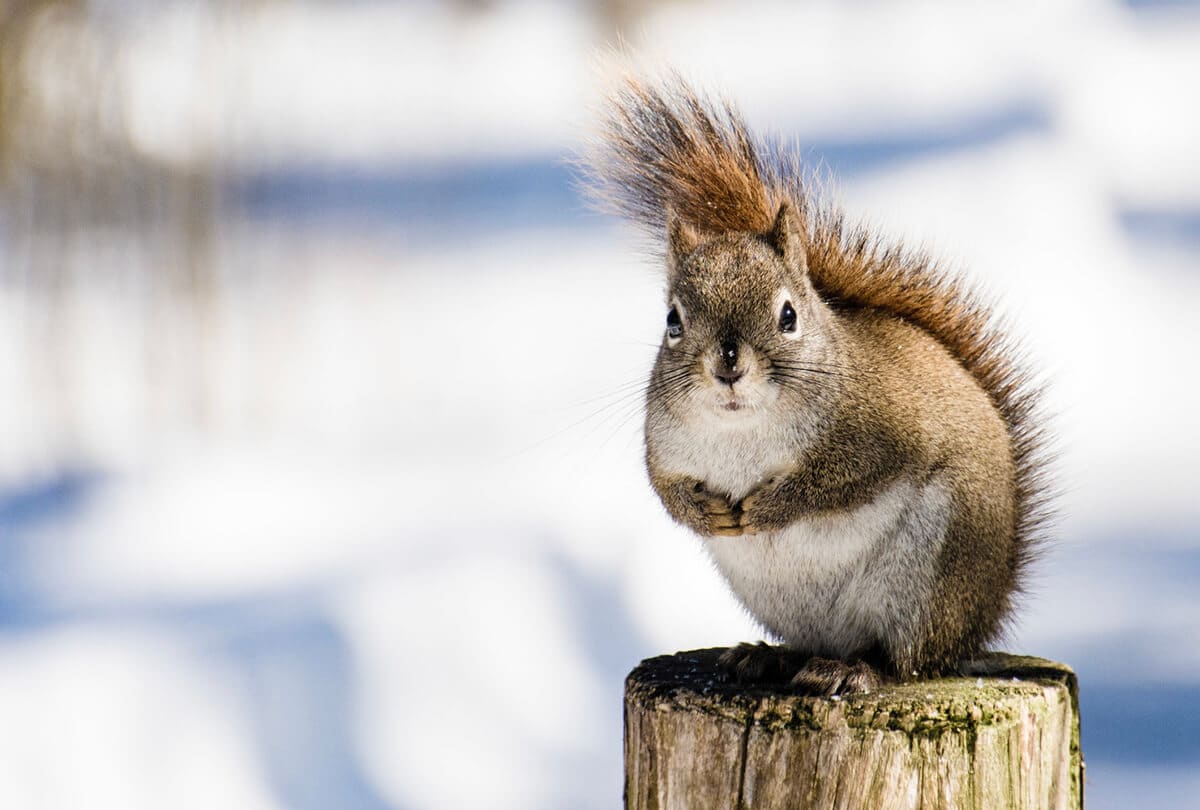
Although there are 4 types of squirrel in B.C. it is the Eastern Grey squirrel that is most common in cities. Despite their name, they may be grey or black and possess fluffy tails that are larger than their bodies.
Grey squirrels can often be found in back yards, munching on bulbs, seeds, fruit, and even the bark of certain trees and plants. They also happily help themselves to the contents of bird feeders. They have even been known to steal Christmas light bulbs.
Grey squirrels can often be found in back yards, munching on bulbs, seeds, fruit, and even the bark of certain trees and plants. They also happily help themselves to the contents of bird feeders. They have even been known to steal Christmas light bulbs.
Raccoons
Seeing Raccoons enter your home?
If you see them crawling on tree branches near your roof or climbing up a gutter and disappearing somewhere, there is a very good chance you have a raccoon issue in your attic.
How to tell if you have Raccoons in your home?
Like squirrels, raccoons are not the most silent or subtle animals when they enter your home. Many of the warning signs for squirrels are the same as other pests.
- Strange noises. Raccoons are the largest of the pests you will find invading your home. They will produce a fair amount of thumping and bumping, which will be more noticeable than the sounds of smaller animals, sometimes even sounding like a small person.
- Time of activity. Raccoons are nocturnal, meaning they will be at their most active in the late evening and overnight. In the spring, you might be able to hear the high-pitched squealing of babies calling their mother.
- Nests. Like squirrels, raccoons will bring nesting materials into your home to use in conjunction with whatever they can tear up in your attic.
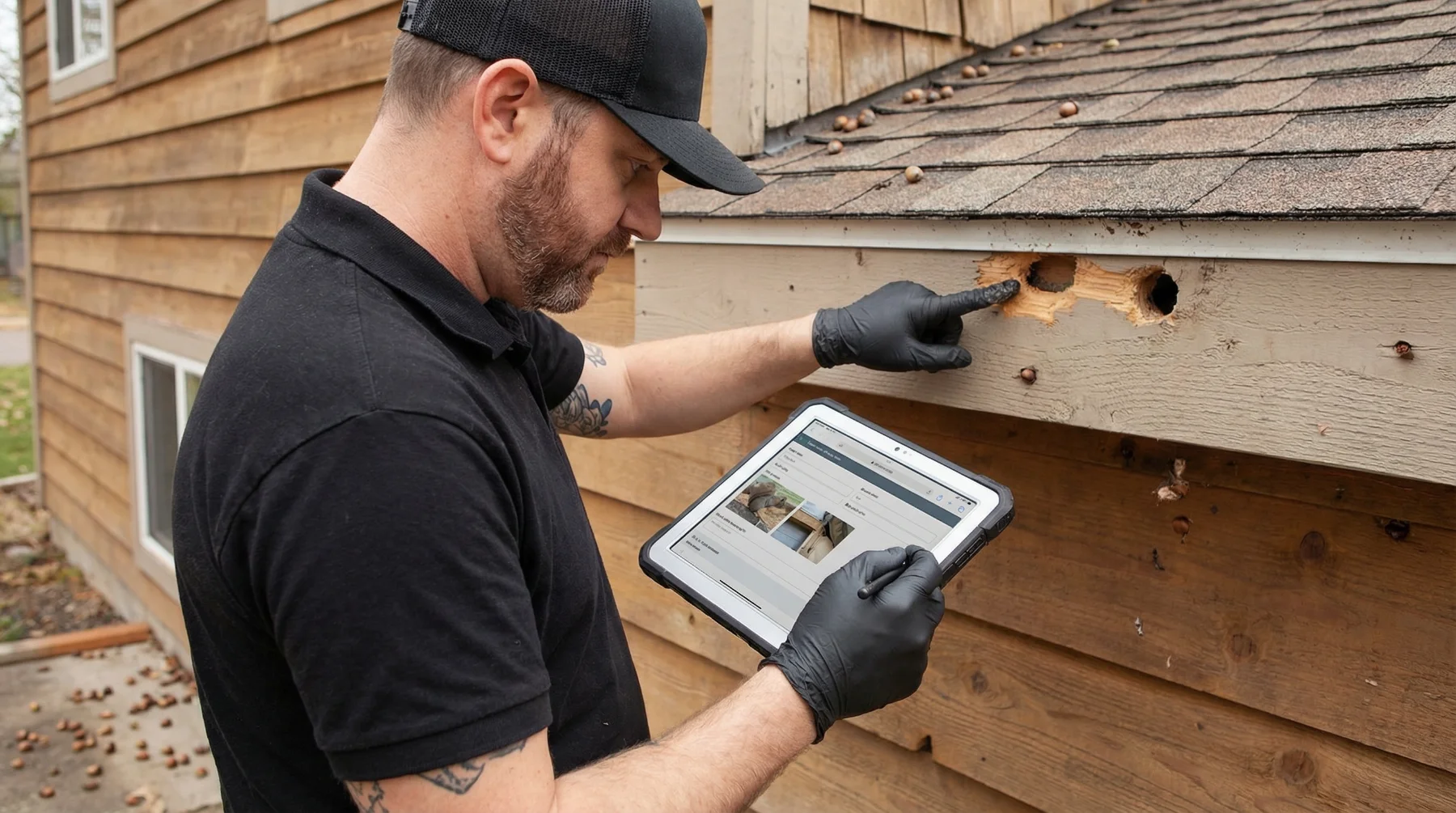
- Visible damage. While smaller pests might be able to squeeze through a small opening, raccoons may cause more visible damage to gain entry to your home. With their sharp teeth and claws, they can chew through roof tiles, support beams, and drywall.
- Droppings. Raccoons will designate one area as a latrine, and even a small buildup of feces may produce an odour that is noticed elsewhere in the house. Their feces are usually dark, two to three inches in length, and tubular. They may also contain undigested berries.
Should you be concerned with Raccoons in your home?
Raccoons, like many rodents, carry diseases that can harm humans. They may also have rabies. If you see one out and about during the day, however, contact animal control.
Raccoons could also prove a danger to your pet. They have been known to attack, even killing cats and small dogs. Your pet can also come into contact with their feces, which may contain roundworms. Raccoon urine contains the bacteria leptospirosis, which can damage human kidneys.
Like other pests, they can cause damage to your property, both through their waste, and their chewing.
What about Raccoons in Metro Vancouver
Raccoons are easy to find in many urban areas and have proven to be aggressive on multiple occasions. In Richmond in particular, they have attacked pets out for a walk or in yards and have left some residents hesitant to let their children venture out alone.
As a protected species, however, they leave homeowners in a difficult position of not being able to move against them. Calling for professional assistance is necessary.
As a protected species, however, they leave homeowners in a difficult position of not being able to move against them. Calling for professional assistance is necessary.
Trusted by Locals
What Our Clients Say
Thank you to all our customers who have left a review on our social media channels. We are humbled to say we have a 4.85 out of 5-star rating on 92 reviews across all our social platforms.



“Solution’s rapid and thorough response made it possible to get back to my normal life again. Knowledgeable and reassuring, they were always available to answer any further questions and offer suggestions to keep the pests away. I put my utmost trust in Solutions and feel grateful I made the right choice.“
Eve MNorth Vancouver
“We had a serious ant problem in our house, and these guys resolved the issue within just a few minutes of being in our home. The technician was very professional, friendly, polite, and we trusted him instantly. He provided the right solution that didn’t hurt our pocketbook either! I highly recommend Solutions Pest Control.”
Azita F.North Vancouver
“I wish I could give Solutions Pest Control 10 stars! Amazing customer service and really knowledgeable! Someone was sent out right away, and they were extremely quick to diagnose the problem and to fix it (even though I required a no chemical/pesticide solution)! Wouldn’t go to anyone else for pest problems! Best in Vancouver by far!”
Kate W.Vancouver
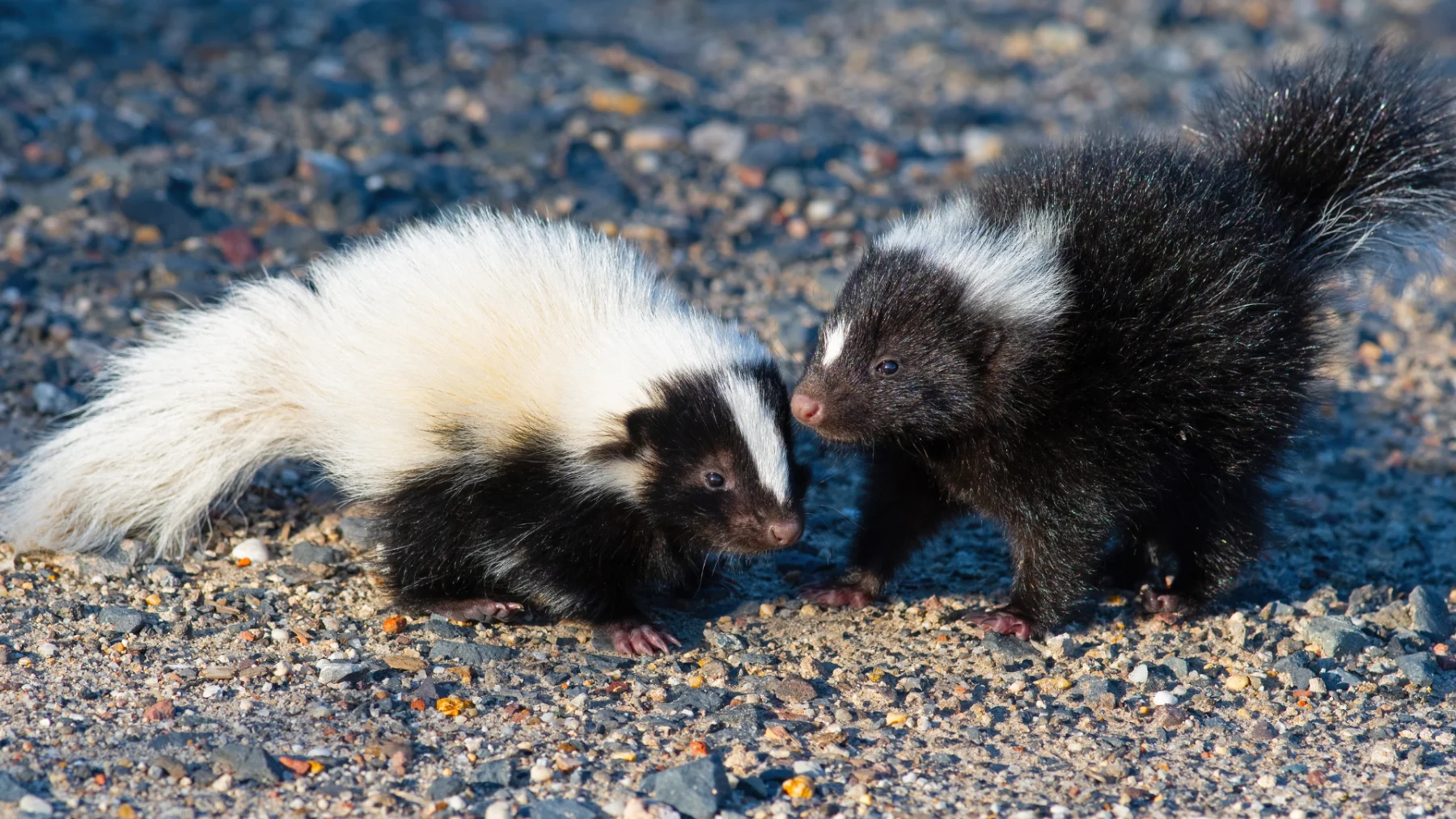
Skunks
Seeing Skunks in your yard?
How about smelling that distinct skunky odour? If you see them walking around your property or crawling under a deck and disappearing somewhere, there is a very good chance you have a raccoon issue around your home.
How to tell if you have Skunks in your home?
Most people will think immediately of the skunk’s signature smell, and this is, of course, a sign that they are around. Smell alone isn’t an indicator of a problem, however. The smell of skunk spray can be detected a good distance from where it was released.
In addition to smell, you might come across damage to your lawn. Skunks will dig three to four-inch depressions in the ground, shaped like a half-moon.
Skunk droppings are similar to those of a cat but can be easily differentiated by the presence of undigested foods, such as berries, seeds, and insects.
In addition to smell, you might come across damage to your lawn. Skunks will dig three to four-inch depressions in the ground, shaped like a half-moon.
Skunk droppings are similar to those of a cat but can be easily differentiated by the presence of undigested foods, such as berries, seeds, and insects.
Should you be concerned with Skunks in your home?
Skunks that choose to cohabitate with you will likely be found under porches or decks. The biggest danger on your mind is probably having the skunk spray you, a family member, or a pet, and that is certainly a concern, but skunks may also carry rabies, which can make them aggressive.
As with other pests, the feces of skunks possess harmful bacteria and may contain parasites that remain infectious for days or weeks. Skunks also carry fleas, lice, ticks, roundworms, and more. Even a dead skunk can prove harmful if precautions are not taken when disposing of them. Always turn to a professional.
As with other pests, the feces of skunks possess harmful bacteria and may contain parasites that remain infectious for days or weeks. Skunks also carry fleas, lice, ticks, roundworms, and more. Even a dead skunk can prove harmful if precautions are not taken when disposing of them. Always turn to a professional.
What about Skunks in Metro Vancouver
Skunks are very common especially in areas such as West End and Strathcona, with some commenting that West End has more skunks than humans. They can be found throughout Vancouver, even in developed areas. Stanley Park also offers skunks plenty of space to roam.
Whether in urban or suburban areas, skunks manage to adapt, making appearances in virtually every neighbourhood.
Whether in urban or suburban areas, skunks manage to adapt, making appearances in virtually every neighbourhood.
Possums
How to tell if you have Possums in your home?
Having a possum in your home will provide you with many of the same signs as other pests, though perhaps with some variation. Like raccoons, possums are noisy, but where raccoons thump and bump, possums shuffle and scrape. Also, like raccoons, they are nocturnal, so if the noise stops around dawn only to begin again after dark, you may have a possum.
Possums produce feces similar to those of dogs. It is about 3/4 of an inch thick, with smooth sides and tapered ends. Typically, dark brown or black, they may occasionally be curved. The smell of their feces and urine is quite strong, often giving a heads up to their presence.
Should you be concerned with Possums in your home?
Possums may not pose the same physical threat that other pests do. While they might bare their teeth, they are not likely to lunge and bite, nor do they typically carry rabies. That doesn’t mean that they are harmless, however. Virtually all wildlife can carry disease, including possums, which might carry leptospirosis, tuberculosis, toxoplasmosis, spotted fever, and more.
Possums may also cause structural damage to your home as they build themselves a place to nest.
Possums may also cause structural damage to your home as they build themselves a place to nest.
What about Possums in Metro Vancouver
Possums are not considered abundant in Vancouver, though they certainly are present in enough numbers to find their way into homes.
One particular incident saw police in Ladner remove a possum from a resident’s shower stall. With changing climates, possums may become a more familiar sight.
One particular incident saw police in Ladner remove a possum from a resident’s shower stall. With changing climates, possums may become a more familiar sight.
Moles
How to tell if you have Moles in your garden?
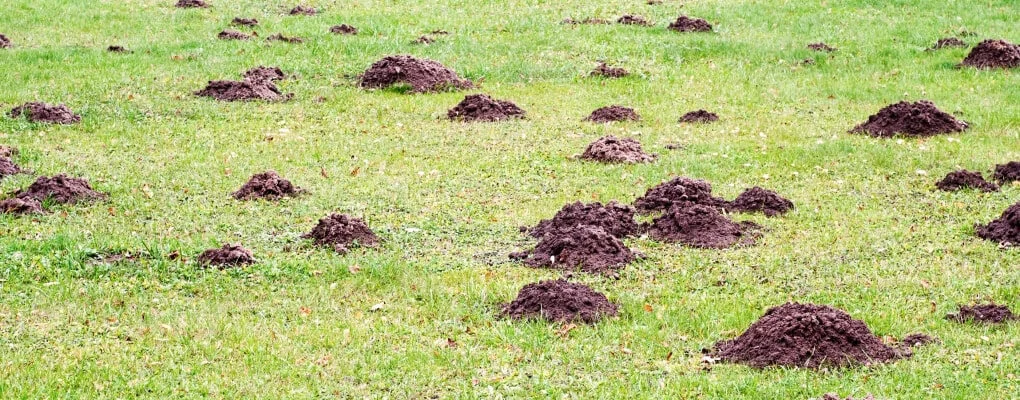
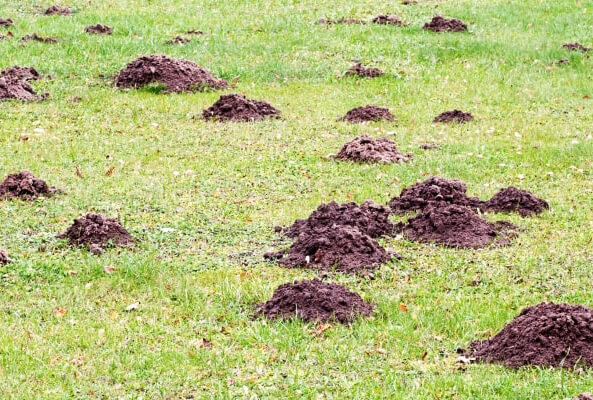
You won’t need to be Sherlock Holmes to find clues of a mole infestation. Sad but true, it will be hard to miss the many visible trenches, not to mention all that dug-up soil in your lawn or garden.
You can also expect some rather nasty mole feeding burrows and molehills (think miniature volcanoes) to add to the mix of the unsightly damage caused by this destructive pest. And that’s just what you can see.
Moles also create elaborate underground tunnels called runways which can run deep underground.
Should you be concerned with Moles in your home?
There is no doubt about it, moles are frustrating pests that are extremely tough to get rid of. And once they invade your property, all that hard work creating the perfect garden or lawn will be gone, seemingly overnight.
When moles search for food, they separate plants and flowers from the soil, preventing them from getting the nutrients they need to grow. Ultimately, your vegetation will die and you will be left with a huge mess to clean up, costing you time, money, and effort.
When moles search for food, they separate plants and flowers from the soil, preventing them from getting the nutrients they need to grow. Ultimately, your vegetation will die and you will be left with a huge mess to clean up, costing you time, money, and effort.
How do I get rid of Moles?
With a quick Google search, you can find countless home remedies, how-to videos, and DIY methods to help control moles. There is no shortage of products you can buy, from harmful poisons to dangerous traps (not the smartest choices to use for those of you with kids and pets). Sure, many of these options might sound great. But without the proper training and experience, you could be spinning your wheels or making matters worse.
Why would you waste your time with ineffective methods or harmful devices and toxins, putting you and the ones you care about at risk? When it comes to effectively and safely getting rid of moles, nothing compares to a professional pest control specialist. And our Mole Removal Services might just be the solution you have been looking for!
Why would you waste your time with ineffective methods or harmful devices and toxins, putting you and the ones you care about at risk? When it comes to effectively and safely getting rid of moles, nothing compares to a professional pest control specialist. And our Mole Removal Services might just be the solution you have been looking for!
Solutions Pest Control has a variety of pet-friendly, safe, discrete trapping methods to quickly remove moles and protect your yard
Call Solutions Pest Control for Wildlife Pest Problems
Whatever the job requires, Solutions Pest Control will get the job done, freeing your home or business property of all invaders so that you can rest easy knowing that your property, your family, and your employees are safe.
Proudly Canadian
Wildlife Control Treatments
Remove Wildlife From Your Home
While pests may range from potentially dangerous to mostly annoying, there are none that you will want to keep in your home. Solutions Pest Control appreciates that the safety of your home and family is of utmost importance, and we’re here to help you deal with all pest infestations.
At Solutions Pest Control we understand that our community lives in harmony with nature. When things get out of balance and nature encroaches into our home or endangers our family then we need to push back, but just to restore the balance. In general, our Wildlife Treatments are to:
- Remove the animal from your home back to their natural habitat
- Perform remedial exclusion, that is plug the holes and prevent the animal from entering the home again
- Customer education, identify what may be attracting the animal to your home so that the animal is not inadvertently “invited” to return.
The specifics of the Wildlife Treatment will vary depending on the species of the pest.
Dealing With Protected Species
Certain precautions must be taken with protected species like bats, due to their protected status. In such cases, simple extermination cannot be considered. Rather, a process of “exclusion” can be used to remove them.
This involves sealing up entry points and leaving a single exit which is fitted with one-way doors that allow the animal to leave, but not re-enter the home. In some cases, hand removal of the pests may be called for.
Planning a Pest-Free Future
Once the pest is gone, we continue to work with you, repairing access points, looking for other possible weaknesses that might allow ingress, and showing you ways to discourage pests from returning, such as eliminating food sources. Your property should be attractive to you, not to them!
Exceptional Service
Solutions to Your Pest Control Issues
Dealing with wildlife infestations can be a trying experience. That’s why when you have problems, you need Solutions. Protect your home and your loved ones with professional wildlife control solutions so that you can enjoy your environment without these nuisance pests.
Our team is ready to solve your pest issues. Call Solutions Pest Control today! Or schedule a service!
BBB Accredited
Why Solutions Pest Control?
We are your local pest control expert. Our friendly pest control techs live and work in your neighbourhood. We are very familiar with the local pest issues and are ready to help. Contact now and learn more about us today!

DIY Store
DIY Pest Control
If your pest issue is not too big, you may want to try one of these pest control products.
Trusted
Our Guarantee
Solutions Pest Control will solve your specific pest problem. If we can’t, we’ll help you find someone who can.
– That’s our guarantee to you.

Areas We Service
Be pest-free tomorrow!
Call us today
or you can
Proven and Tested
Pest Control Services
Read
Wildlife Control Blog
We gathered the following, most recent Wildlife Control posts from Solutions Pest Control’s. These are topical posts we’ve written over the years about wildlife pest issues in Metro Vancouver and Whistler Sea-to-Sky corridor area. If your neighbours had these issues in the past, our blog posts might be relevant to your concerns today.
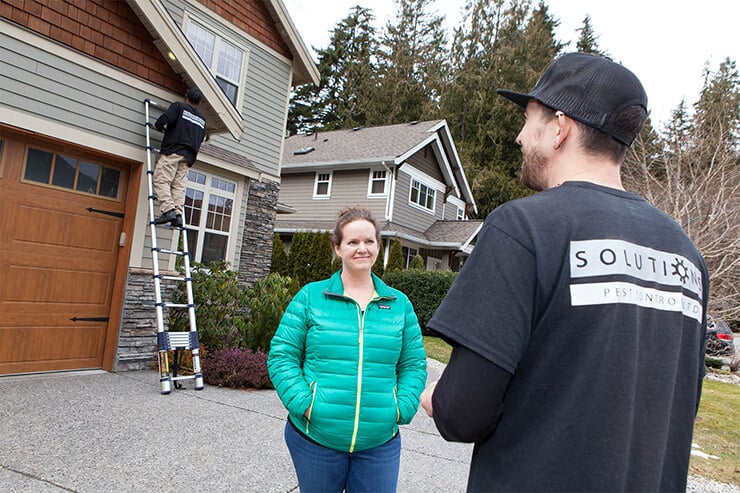
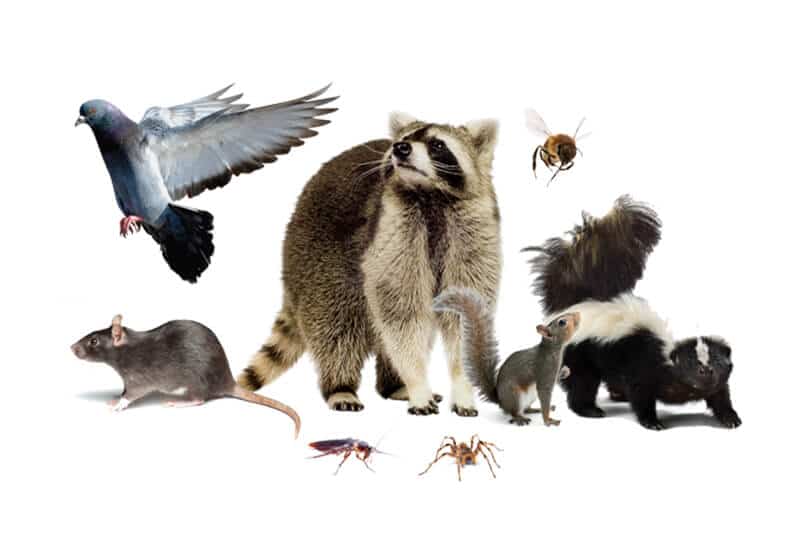
There is a great deal of information in our Bug Blog posts, perhaps one will address the pest issues you are experiencing today. Please have a look at our Blog page and give us a call if we can answer any questions.
FAQ
Frequently Asked Question
What types of wildlife does Solutions Pest Control handle?
We provide humane services for common issues involving raccoons, squirrels, skunks, birds, and bats. Our team helps safely remove them from homes and businesses while working to prevent future intrusions.
Does Solutions Pest Control use humane wildlife control methods?
Yes, humane control is our priority. Our approach focuses on safely encouraging them to leave the property and, whenever possible, preventing re-entry, rather than relying on harmful relocation practices.
Why is professional wildlife control important?
They can create serious problems inside homes and commercial properties, including damage to insulation, wiring, roofing, and walls. Animals may also leave droppings, bacteria, and parasites that can pose health and safety concerns if not properly addressed.
How can I tell if wildlife is inside my home or business?
Common signs of their activity include scratching noises in walls or attics, foul odors, droppings, damaged vents, nesting materials, and visible entry points around the property. Professional inspections can help identify the type and the extent of the issue.
How can I prevent wildlife from returning to my property?
Preventing problems often involves sealing entry points, securing garbage bins, trimming tree branches near the roof, and removing food or shelter sources around the property. We also offer preventative solutions to help reduce the risk of future intrusions.
Schedule a Pest Control Service Call
Are you ready to get rid of the pests? Click Here to schedule your pest service now!