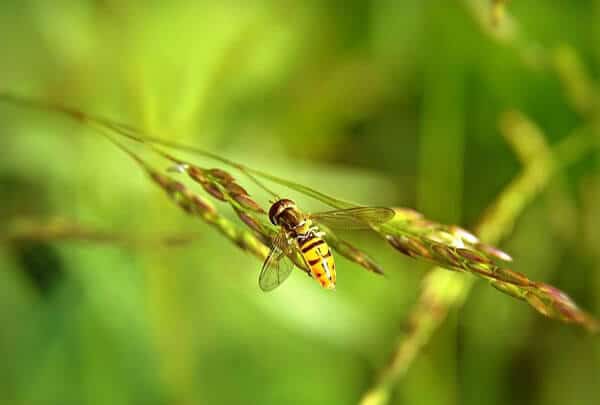



The wasp hovering over your deck chair in July is almost certainly not the same species as the one that drove your neighbor from the lawn in September. In Metro Vancouver and up through the Sea to Sky corridor, we deal with four types regularly, and they are not equally aggressive, not equally dangerous, and not treated the same way.
Getting the ID right before you act matters. Spraying a paper wasp nest under the eaves is a different job than dealing with a yellowjacket colony inside a wall void, and treating underground yellowjackets like a surface nest can turn a manageable situation into a very bad afternoon.
Here’s what each one looks like, where it nests, and what we see on the job.
The Four Wasps You’ll Encounter in BC
Not all wasps behave the same way. In Metro Vancouver and across British Columbia, homeowners are most likely to encounter yellowjackets, paper wasps, bald-faced hornets, and mud daubers.
Yellowjackets are usually the biggest concern because they can become very defensive around their nests, especially later in the summer. Paper wasps are generally calmer, bald-faced hornets can be highly defensive, and mud daubers are solitary wasps that rarely cause problems for people.
Knowing what type of wasp you are dealing with can help you decide whether you can leave the nest alone or whether you need professional wasp removal.
Yellowjackets: The Ones Responsible for Most Sting Calls
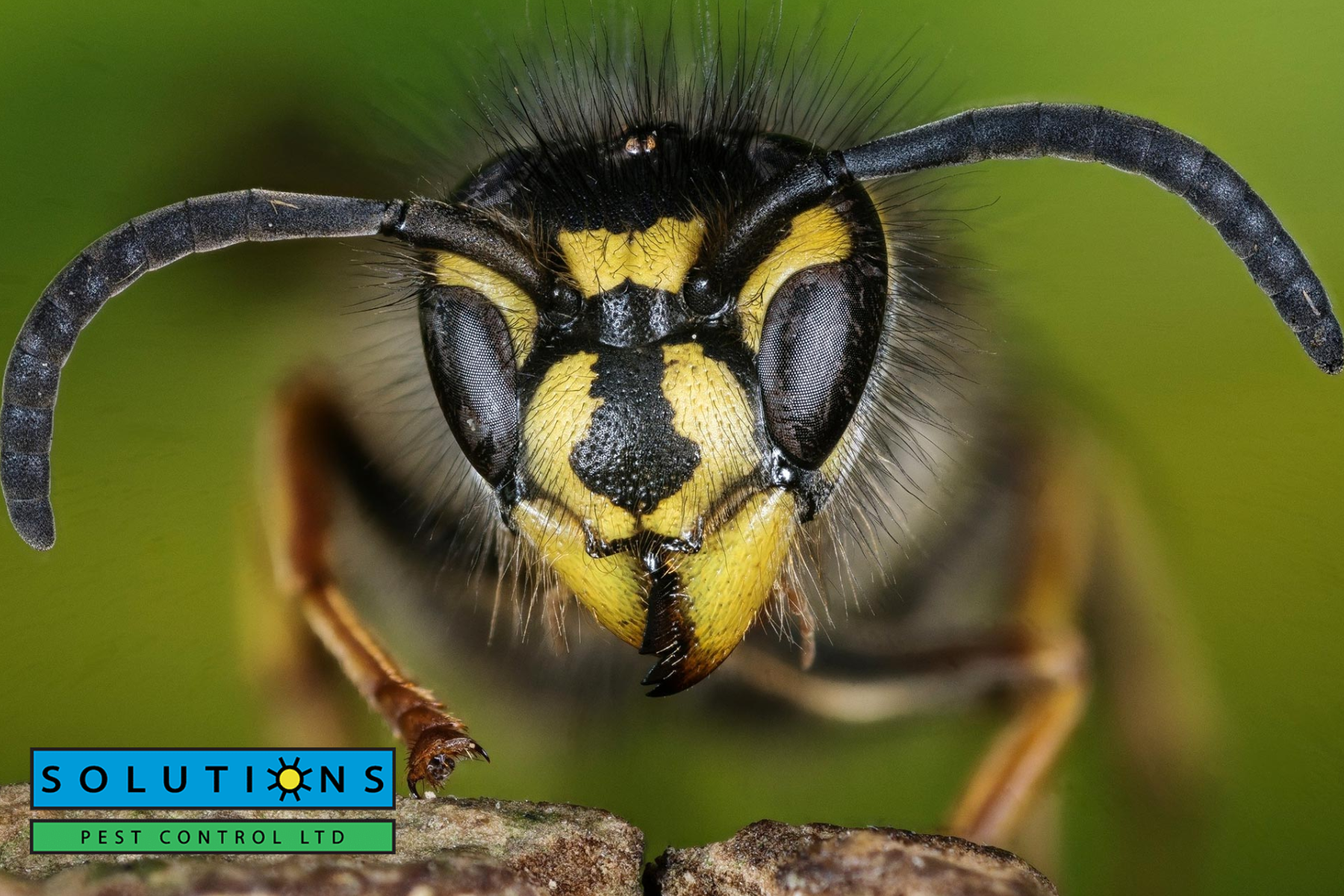
In Metro Vancouver, yellowjackets are responsible for many of the sting calls received by pest control companies. The two species we commonly see on residential properties are Vespula germanica and Vespula vulgaris.
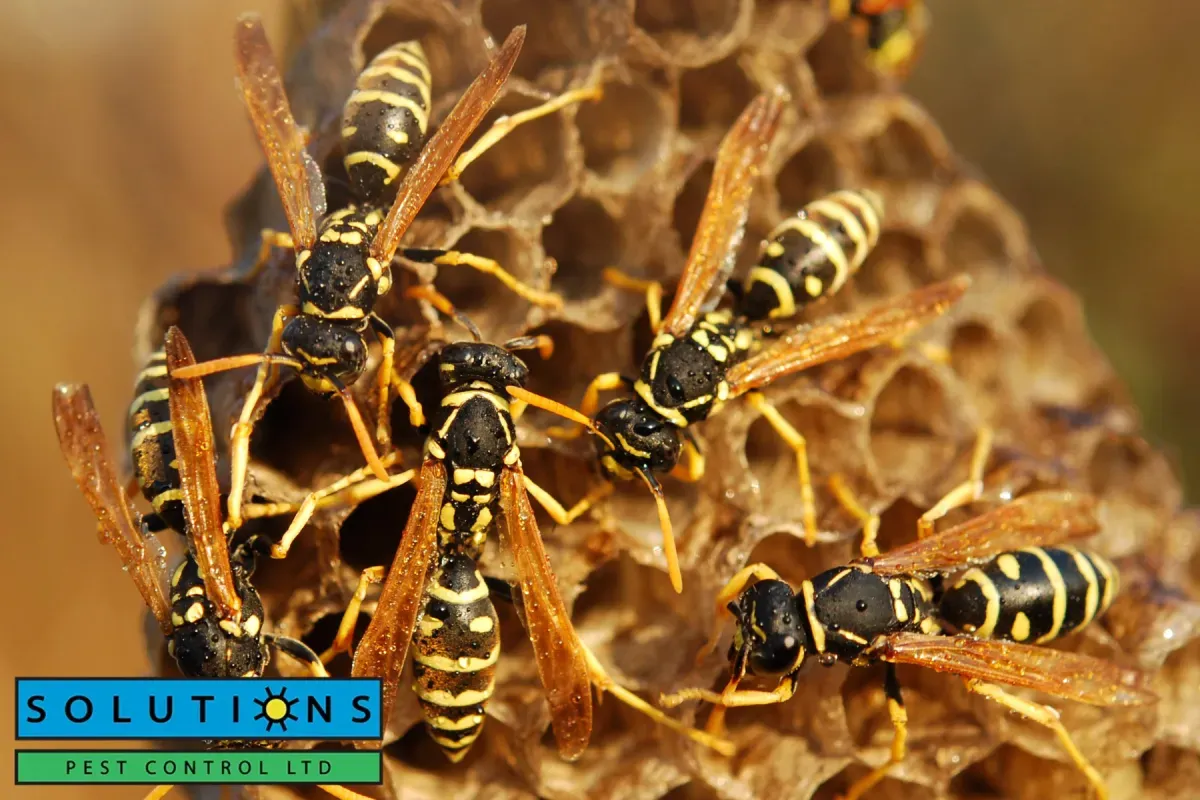
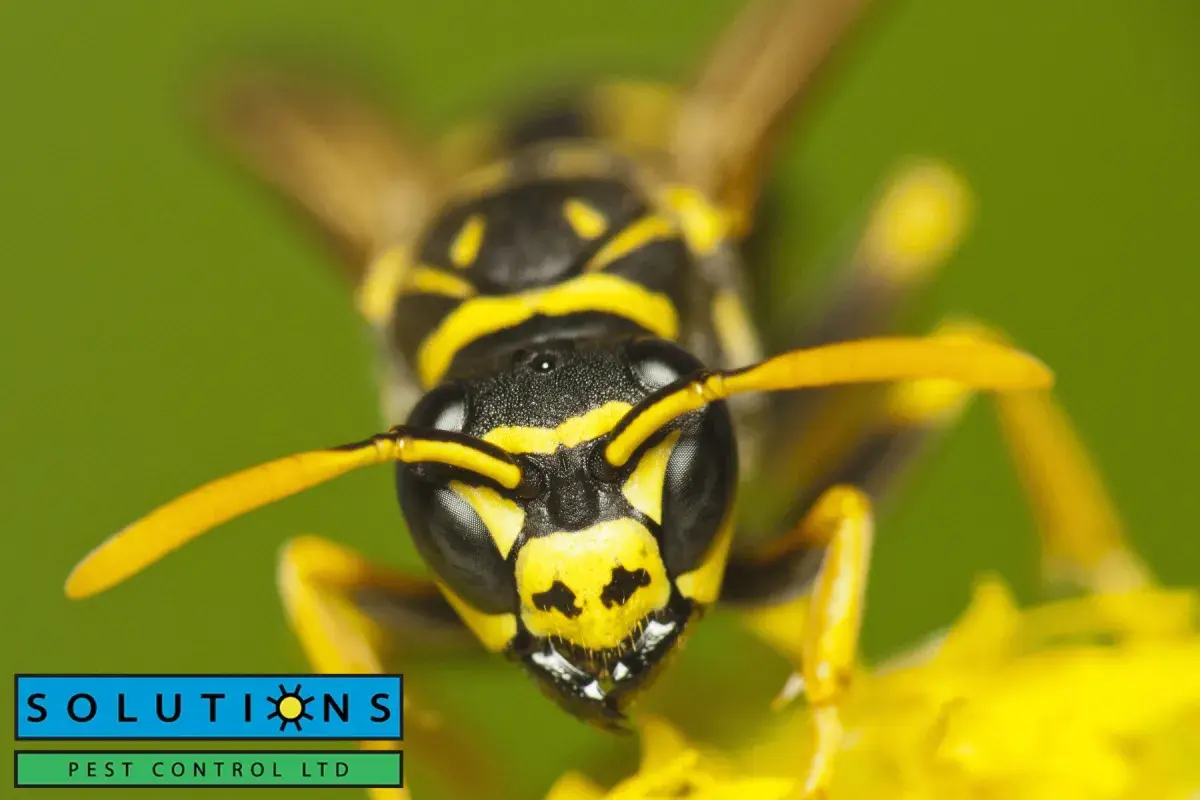
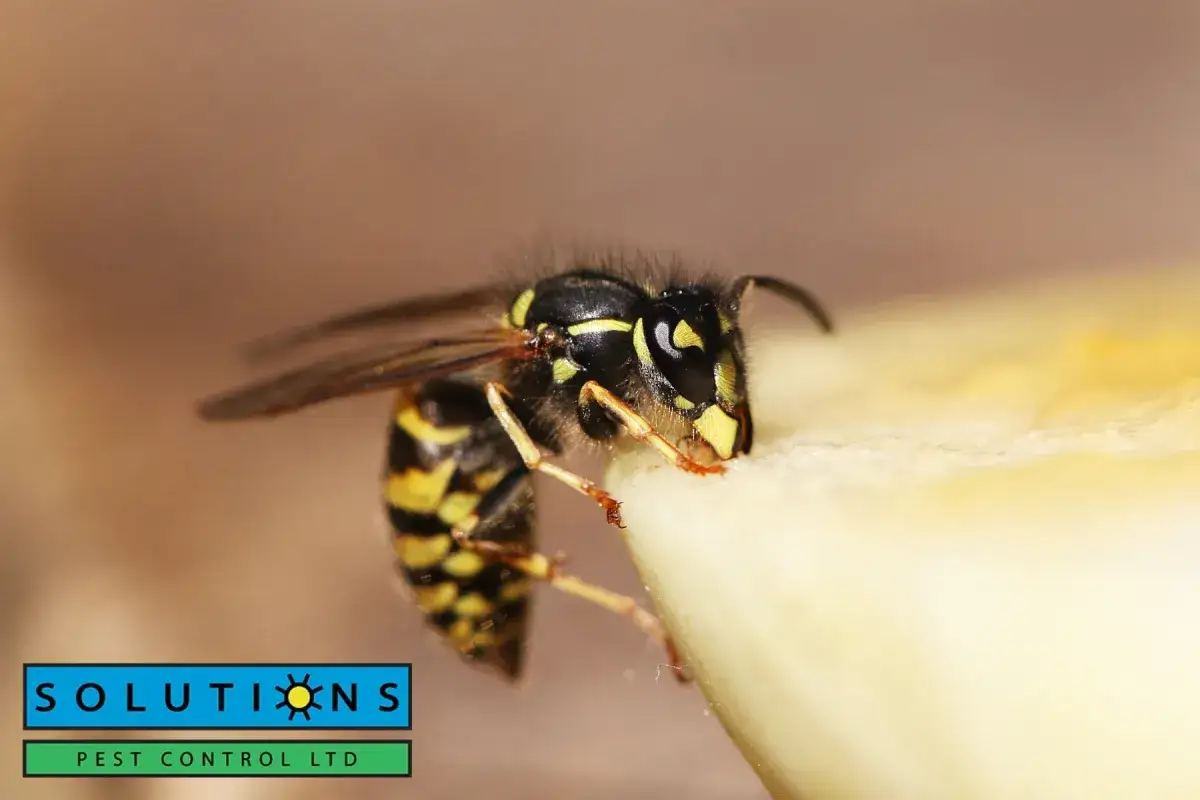
Yellowjackets are medium-sized wasps, usually around 12 to 16 mm long. They have the familiar yellow-and-black markings, quick movements, and a narrow waist that most people associate with wasps.
If a wasp is aggressively hovering around your garbage, recycling bin, outdoor food, or a child’s juice box, there is a good chance it is a yellowjacket.
Where Do Yellowjackets Build Their Nests?
Yellowjacket nests can be found in different places depending on the time of year. During July and August, we often find nests under deck stairs, inside wall voids, near roof lines, and behind gaps in exterior cladding.
By September, underground nests become a bigger concern. Yellowjackets may build colonies in old rodent burrows, holes in the ground, or soft areas of lawn.
The nest entrance may look like nothing more than a small hole in the grass. The problem is that the colony underneath can be much larger than the entrance makes it appear.
A colony that has been growing throughout the summer can contain thousands of workers. Many homeowners do not know an underground nest is there until they step near it, run over it with a lawnmower, or otherwise disturb the entrance.
Why Are Yellowjackets More Dangerous in September?
Yellowjacket colonies naturally begin to decline as fall approaches, but that does not mean the wasps become less defensive.
As the colony moves toward its natural end, alarm signals can cause the remaining workers to react strongly to perceived threats. This is why September and early October can be some of the riskiest weeks for accidentally disturbing an underground nest.
If you find wasps repeatedly entering and leaving a hole in your lawn, keep your distance. Professional Vancouver pest control can help identify the nest and determine the safest way to deal with it.
Paper Wasps: The Ones Most Homeowners Can Handle
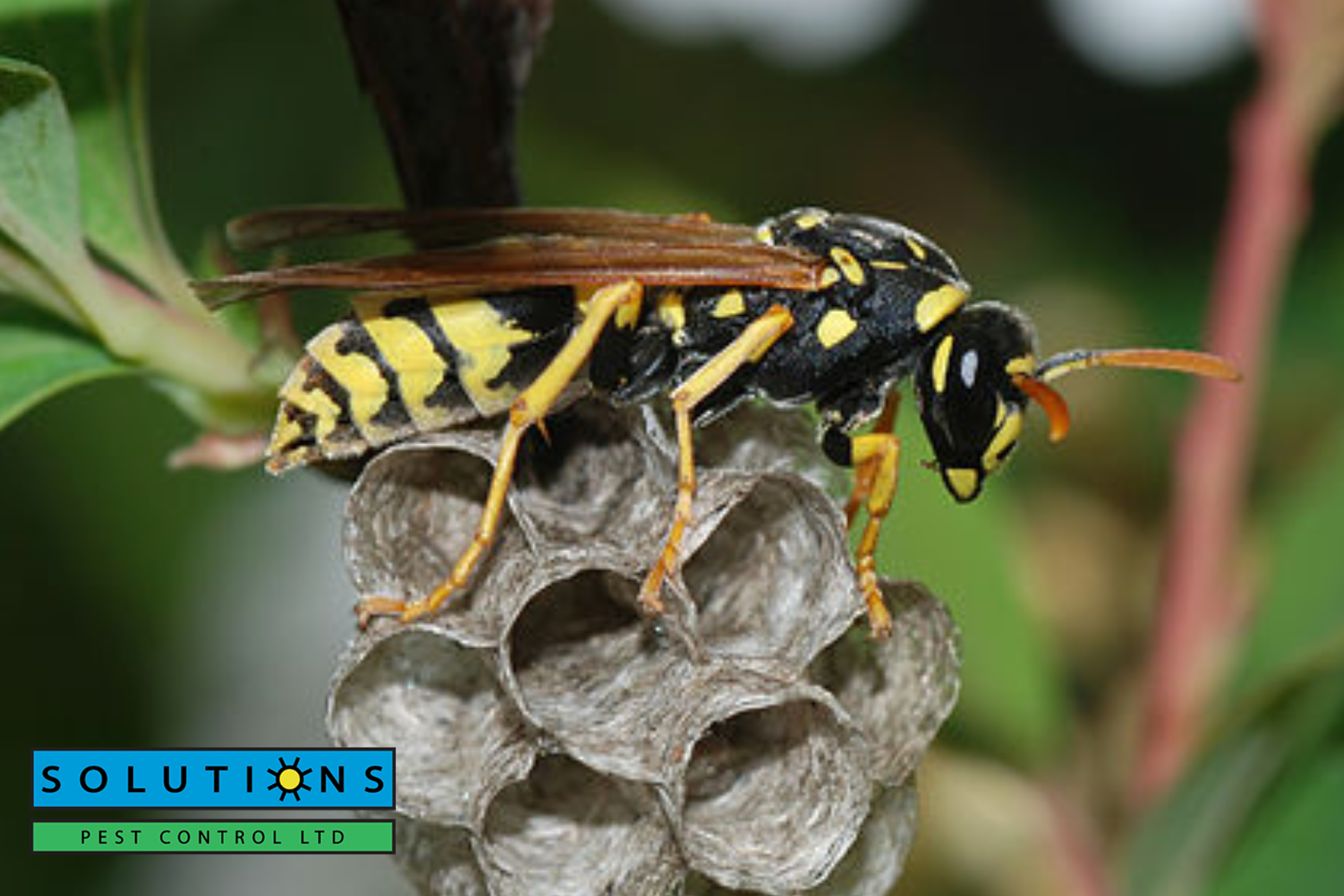
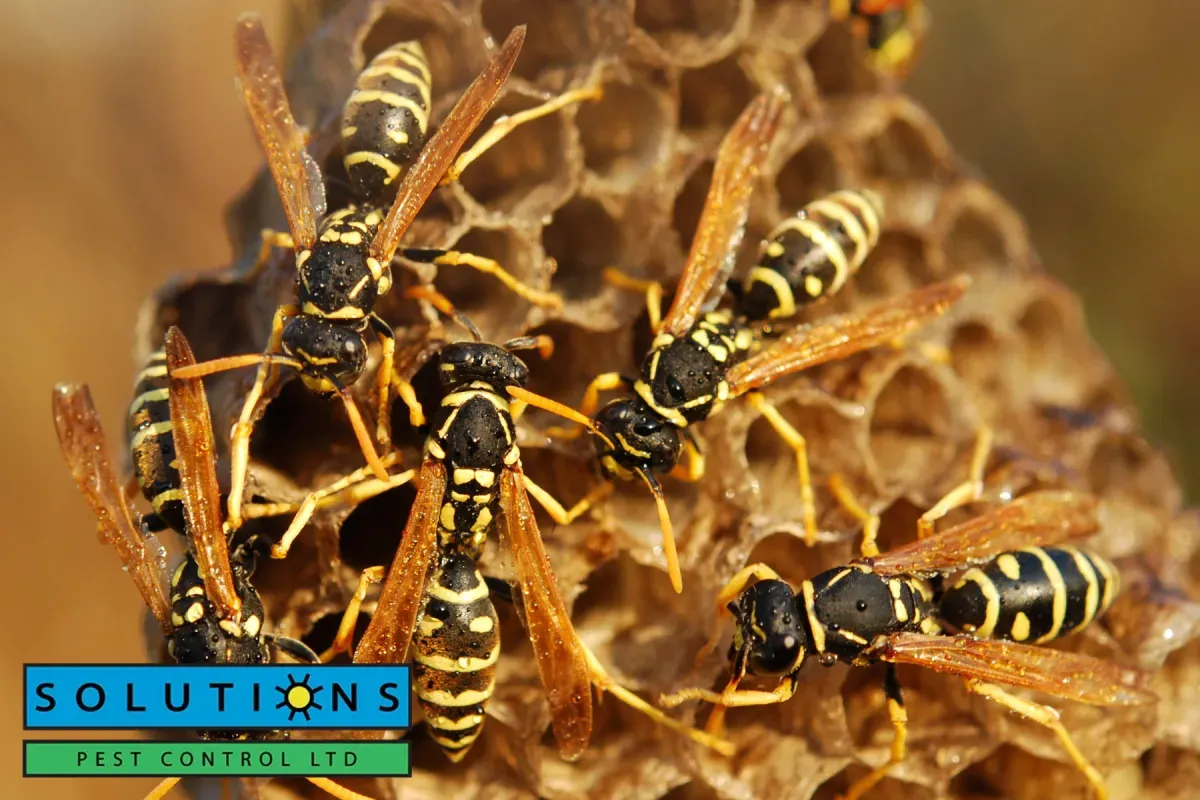
Paper wasps are longer and slimmer than yellowjackets. One easy way to identify them is by their long legs, which often hang down while they fly.
Their nests are also easy to recognize. Paper wasps build small, open-faced nests that look like umbrellas. The individual cells are usually visible from underneath.
You may find these nests under roof eaves, porch ceilings, deck railings, and other sheltered areas around the home.
Paper wasps are generally less aggressive than yellowjackets. They will sting when their nest is directly threatened, but they are not usually looking for a fight.
If a small paper wasp nest is tucked under an eave and is far away from doors, walkways, and play areas, some homeowners choose to leave it alone until fall. The colony will eventually die off naturally.
However, the location of the nest matters. A nest directly above a doorway or beside an area where children regularly play presents a greater risk and may be worth removing.
Do Paper Wasps Reuse Old Nests?
No. Paper wasps do not normally reuse old nests.
The papery structure you find on your home during late fall may look active, but it is usually an abandoned nest. The following spring, a new queen starts a new nest rather than moving back into the old one.
Bald-Faced Hornets: The Ones That Surprise People
Despite their name, bald-faced hornets are actually a type of yellowjacket rather than a true hornet.
They are larger than typical yellowjackets and have black-and-white markings instead of yellow-and-black bands. Their nests are usually large, gray, and enclosed, with a shape that can resemble a football or basketball.
These nests are often built in trees, large shrubs, or on the exterior of buildings.
We sometimes get calls from homeowners who think they have found a bee nest. A large gray paper nest with wasps flying around it is more likely to belong to bald-faced hornets.
Are Bald-Faced Hornets Dangerous?
Bald-faced hornets can be highly defensive when their nest is disturbed. They may defend a wide area around the nest and pursue something they believe is a threat.
For this reason, it is best not to knock down, spray, or otherwise disturb a bald-faced hornet nest yourself.
If the nest is high in a tree in an area where nobody walks, it may be possible to leave it alone until the colony dies in the fall. But if the nest is above a doorway, near a deck, or beside a children’s play area, professional wasp removal is the safer choice.
Mud Daubers: The Ones You Probably Don’t Need to Worry About
Mud daubers are very different from yellowjackets and bald-faced hornets. They are solitary wasps, which means they do not live in large colonies.
A female mud dauber builds her own nest using mud. She places paralyzed spiders inside the nest as food for her young, lays her eggs, and moves on.
Their mud nests are often found in sheltered locations such as garages, under eaves, around basement windows, and inside sheds.
Mud daubers are generally very calm around people. They usually only sting when they are physically handled.
Because of this, a few mud tubes in a quiet corner of your garage are usually not a pest problem that requires treatment. In most cases, it is best to simply leave them alone.
When Are Wasps Most Aggressive in Metro Vancouver?
The level of wasp activity changes throughout the season.
In May and June, colonies are still relatively small. Wasps are mainly focused on building their nests and finding food, so encounters are usually less concerning.
By July and August, yellowjacket and paper wasp colonies have grown significantly. Yellowjackets also become more noticeable around garbage, recycling, outdoor meals, sugary drinks, and other food sources as natural food becomes harder to find.
September is often the most concerning month for yellowjackets. Underground colonies can contain thousands of workers, while the entrance to the nest may be difficult to see.
As temperatures continue to drop in October, most wasp colonies begin to die off. In Metro Vancouver, this usually happens around October, although the exact timing depends on weather conditions. Colder areas such as Squamish and Whistler may see wasp activity end earlier.
Should You Remove a Wasp Nest Yourself?
Whether you should remove a wasp nest yourself depends on the type of wasp and where the nest is located.
A small paper wasp nest that is clearly visible under an eave and away from doors or play areas may be manageable for a homeowner who feels comfortable dealing with it.
The situation is very different with underground nests, nests inside walls, or bald-faced hornet nests. These should generally be left to a professional.
Underground nests are especially easy to underestimate. The opening may be only a small hole in the lawn, but the colony underneath can contain a large number of defensive workers.
We have responded to situations where homeowners tried to deal with underground nests themselves and were stung repeatedly before they could get back inside. What looks like a small hole in the ground can turn into a serious problem very quickly.
If you are not sure what type of wasp you have or cannot safely reach the nest, it is better to keep your distance and contact a professional.
When Should You Call for Wasp Removal?
Professional help is a good idea when a nest is underground, inside a wall, or located in a busy part of your property.
The same applies to large bald-faced hornet nests, especially when they are near doors, decks, walkways, or children’s play areas.
A professional can identify the wasp, find the nest, assess the risk, and recommend the right treatment. This is particularly important when the nest is hidden or difficult to reach.
For homeowners looking for pest control in Vancouver, BC, choosing a company with experience handling different types of wasps can help make sure the problem is handled safely.
Frequently Asked Questions
What is the most common wasp in Metro Vancouver?
Yellowjackets are among the most commonly reported wasps on residential pest control calls in Metro Vancouver. Paper wasps are also common throughout the summer.
Do wasps sting more than once?
Yes. Unlike honey bees, wasps can keep their stingers and sting multiple times. An alarmed yellowjacket can sting repeatedly in a short period.
When is wasp season in BC?
Wasp colonies usually begin forming in late April and May. Activity increases throughout the summer, with peak activity generally occurring from July through September. Most colonies die off after sustained cold weather, often around October in Metro Vancouver.
Are yellowjackets more aggressive than paper wasps?
Generally, yes. Yellowjackets tend to be more defensive around their nests and are more likely to become aggressive when their colony is disturbed or when food is nearby.
Should I remove a wasp nest in my yard?
Not necessarily. A nest in a quiet area may not require immediate removal, particularly if it is likely to die off naturally in the fall. A nest near a doorway, walkway, play area, or inside your home is a different situation and should be assessed carefully.
What should I do about an underground wasp nest?
Keep away from the nest and keep children and pets away from the area. Do not mow over it, step near the entrance, or try to disturb the colony. Underground yellowjacket nests can contain large numbers of workers and may respond quickly when disturbed.
Know Your Wasp Before You Act
A few mud tubes in a garage are very different from an underground yellowjacket nest beside your lawn. Likewise, a small paper wasp nest under an eave does not present the same risk as a large bald-faced hornet nest above your front door.
Knowing what you are dealing with is the first step. If the nest is hidden, difficult to reach, or located somewhere people regularly pass, Solutions Pest Control can provide professional wasp removal to help reduce the risk.
When homeowners need pest control in Vancouver, the safest approach is not to treat every wasp the same. Identifying the species, locating the nest, and understanding its behavior can make all the difference.
Need Help With a Wasp Nest?
Don’t risk getting stung. Solutions Pest Control provides professional wasp removal to help keep your home and family safe. Contact us today to get started.