

Pest exclusion is a more sustainable management strategy because it creates a permanent physical barrier that stops infestations before they begin, significantly reducing the long-term reliance on chemical pesticides. By sealing structural vulnerabilities and entry points, property owners achieve a high level of protection that does not degrade over time like traditional liquid treatments.
Understanding the Limitations of Liquid Treatments
For decades, the standard response to a sighting was reactive. Homeowners and business owners would wait until an infestation became visible, then call for a heavy application of liquid pesticides. While these chemical barriers are effective in the short term, they have significant sustainability drawbacks. Chemical treatments are inherently temporary; they are subject to “weathering,” where sunlight, rain, and temperature fluctuations break down the active ingredients. This creates a cycle of dependency where the property must be sprayed every few months to remain protected.
From an environmental perspective, repeated chemical applications increase the risk of runoff into local soil and water systems. This is a primary concern for those who prioritize eco-friendly living. Relying solely on chemicals also fails to address the “why” behind an infestation. If a mouse can find a quarter-inch gap under a door, it doesn’t matter how much product is on the ground; the structural flaw remains an open invitation for future generations of pests. Moving toward exclusion shifts the focus from managing the symptoms to curing the disease.
The Technical Superiority of Physical Barriers
Exclusion is the process of “pest-proofing” a building. It involves a meticulous inspection of the structure’s envelope to identify every possible entry point, cracks in the foundation, gaps around utility lines, poorly fitted door sweeps, and uncapped vents. Once identified, these gaps are sealed using professional-grade, durable materials. This proactive approach is the cornerstone of pest control in Whistler, BC, where the rugged environment demands a more robust defense than a simple chemical spray.
Comparison: Physical Exclusion vs. Chemical Barriers
| Feature | Traditional Chemical Barriers | Professional Pest Exclusion |
| Duration of Protection | 30–90 days (temporary) | Multi-year to permanent |
| Environmental Impact | Potential for runoff and non-target exposure | Zero chemical footprint; non-toxic |
| Primary Goal | Elimination after entry / Repelling | Complete prevention of entry |
| Maintenance Needs | Frequent reapplications required | Occasional inspection of seals |
| Cost Efficiency | Lower upfront, higher long-term cost | Higher upfront, lower long-term cost |
During a recent audit for a hospitality firm in Whistler, our team demonstrated that structural exclusion could reduce their long-term management costs by over 40% simply by eliminating the need for monthly reactive treatments. By blocking access points, the facility became naturally resistant to pests common in mountain climates.
How Structural Sealing Protects Local Ecosystems
Sustainability is not just about the longevity of the service; it is about the health of the surrounding environment. In high-density residential Neighborhoods, the use of broad-spectrum pesticides can inadvertently affect beneficial insects, such as bees and butterflies, or even local wildlife that may come into contact with treated surfaces. Exclusion offers a “zero-impact” alternative. Using copper mesh, stainless steel wool, and silicone-based sealants, we create an entirely mechanical barrier.
This method is particularly effective for those seeking pest control in Whistler who are concerned about their carbon footprint. Exclusion doesn’t just protect the interior of a home; it keeps the local wildlife where they belong in the wild. By making your home unattractive and inaccessible to pests, you encourage them to seek out natural habitats far from your living space, thereby maintaining the delicate balance of the local ecosystem without the use of harsh toxins.
Our Approach to Lasting Property Protection
To achieve true success in this field, a company must possess a deep understanding of biology and building construction. This is where our proprietary methodology sets us apart. We have spent over 18 years refining our techniques to meet the specific challenges of mountain and coastal environments. This extensive history allows us to predict behavior with high accuracy, enabling us to know exactly which corners of a foundation or roofline are most likely to fail.
Our focus is squarely on long-term prevention. We believe that a customer shouldn’t have to call an exterminator every month. Instead, our goal is to provide a solution that stands the test of time. This philosophy is carried out by our experienced and friendly team. Our technicians are not just applicators; they are structural experts trained to think like a pest. When you engage with our team, you are getting the benefit of nearly two decades of localized knowledge, ensuring that the exclusion work performed on your property is precise and effective.
Whether we are navigating the unique architecture of Whistler Village businesses or the residential homes in secluded Neighborhoods, our team brings a professional, reliable attitude to every job. We understand that your home is your sanctuary, and our mission is to ensure it remains a safe, clean, and pest-free environment for your family.
The Financial Benefits of Proactive Exclusion
While some may hesitate at the initial cost of professional exclusion compared to a one-time spray, the return on investment is undeniable. Traditional Whistler pest control often involves a recurring fee for “maintenance” sprays. Over five to ten years, these costs accumulate into thousands of dollars. In contrast, exclusion is an investment in the building’s infrastructure.
By sealing the building envelope, you often improve energy efficiency. Gaps that allow pests inside also allow conditioned air to escape and cold drafts to enter. Professional weather stripping and gap sealing serve a dual purpose: they keep mice out and heat in. This makes exclusion a win-win for both your wallet and your comfort. Furthermore, preventing a single rodent infestation can save a property manager thousands of dollars in potential repairs to chewed-through electrical wires, insulation, and drywall.
Debunking the Quick-Fix Chemical Myth
A common industry misconception is that the “strongest” chemicals are the only way to handle a severe problem. This “quick-fix” mentality often leads to frustration when the pests return just weeks after a treatment. The truth is that no chemical in the world can compensate for a hole in your wall.
True expertise lies in recognizing that chemicals are a tool for knockdown, but exclusion is the tool for a cure. Professional management requires a shift in perspective, moving away from the idea that we can simply poison our way out of a problem and moving toward the realization that we must outsmart and outbuild our pests. Relying on an experienced and friendly team ensures that you receive an honest assessment of your property’s structural needs, rather than just another temporary fix.
People Also Ask
What materials are used in pest exclusion?
Professional exclusion utilizes durable, pest-resistant materials such as copper or stainless steel mesh, heavy-duty caulking, metal flashing, and industrial-grade door sweeps. These materials are chosen because pests like rodents cannot chew through them.
Is pest exclusion safe for my pets?
Yes, exclusion is the safest form of pest management for households with pets and children. Because it relies on physical barriers rather than poisons, there is zero risk of accidental ingestion or exposure to toxic residues.
How long does pest exclusion last?
When performed by a team with over 18 years of experience using high-quality materials, exclusion work can last the building’s lifetime. However, it is recommended to have seals inspected annually to account for natural building settling or wear and tear.
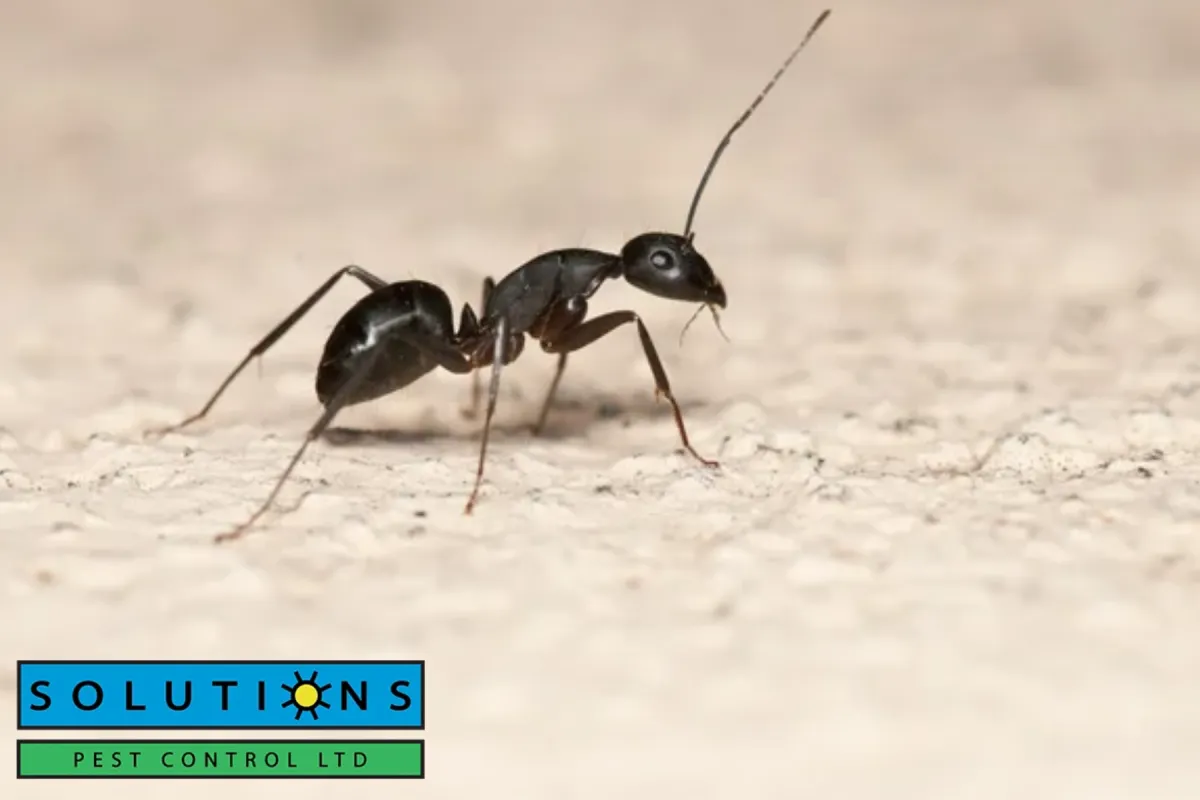
Can exclusion stop ants and small insects?
Absolutely. While often associated with rodents, exclusion involves sealing the tiny cracks and crevices (often as small as 1/16 inch) that ants and other crawling insects use to enter a structure.
Secure Your Property with Expert Solutions
Achieving a pest-free environment shouldn’t be a constant struggle against nature. By focusing on long-term prevention through high-quality exclusion, you can protect your home or business sustainably and effectively. At our core, we believe in delivering high-quality, environmentally friendly solutions that provide our customers with lasting peace of mind.
Our experienced and friendly team is ready to help you transition away from reactive chemical treatments and toward a proactive, structural defense. Solutions Pest Control stands out by offering customized services specifically tailored to our clients’ unique architectural and environmental needs. When you choose us, you are choosing a team committed to excellence and your complete satisfaction.
Take the next step in sustainable property protection today.
We encourage you to reach out for a consultation or a personalized quote. Let us show you how nearly two decades of expertise can transform your property into a secure, bug-free sanctuary. For more tips on keeping your home safe and the latest updates on eco-friendly pest management, be sure to follow us on our social media channels.