

Spotting a scuttling bug in your home can immediately trigger concern, especially if it resembles a cockroach. However, not all insects that look like cockroaches are actually roaches. Several species share similar colors, shapes, and behaviors, which can lead to false alarms. Understanding the differences can help you avoid unnecessary panic, apply the correct treatment, and safeguard your home more effectively.
In this article, we’ll break down the types of insects that resemble cockroaches, how to tell them apart, and what to do if you’re uncertain. We’ll also explain why professional support from pest control services is essential for persistent pest problems.
Why Accurate Identification is Important
Before diving into specifics, it’s crucial to understand why precise identification matters. While cockroaches are infamous for spreading germs and triggering allergies, not all similar-looking bugs present the same health risks. Some may be harmless or even beneficial in controlling other pests.
Treating the wrong pest could lead to wasted effort, ineffective methods, or unintended consequences, especially when applying DIY solutions. If you’re unsure whether you’re dealing with a cockroach or another pest, consider contacting professional pest control in Richmond to ensure an accurate diagnosis and solution.
Common Insects That Resemble Cockroaches
Here are some insects that are often mistaken for cockroaches:
- Crickets
Field crickets, for instance, can easily be confused with small cockroaches due to their brown or black color and long antennae. However, crickets have strong hind legs made for jumping, whereas cockroaches are faster runners. Crickets also produce a chirping sound, which cockroaches do not.
- June Bugs
June bugs (also called May beetles) are larger, rounder, and often metallic in color compared to cockroaches. They might seem similar at first, particularly during summer when they gather around lights, but June bugs are not indoor pests. They are typically harmless and stay outside.
- Ground Beetles
These dark-colored beetles have a flat body shape and move quickly, which can resemble cockroaches. However, ground beetles are usually glossy and found in basements or around foundations, not in kitchens or bathrooms. They are often beneficial, preying on other insects.
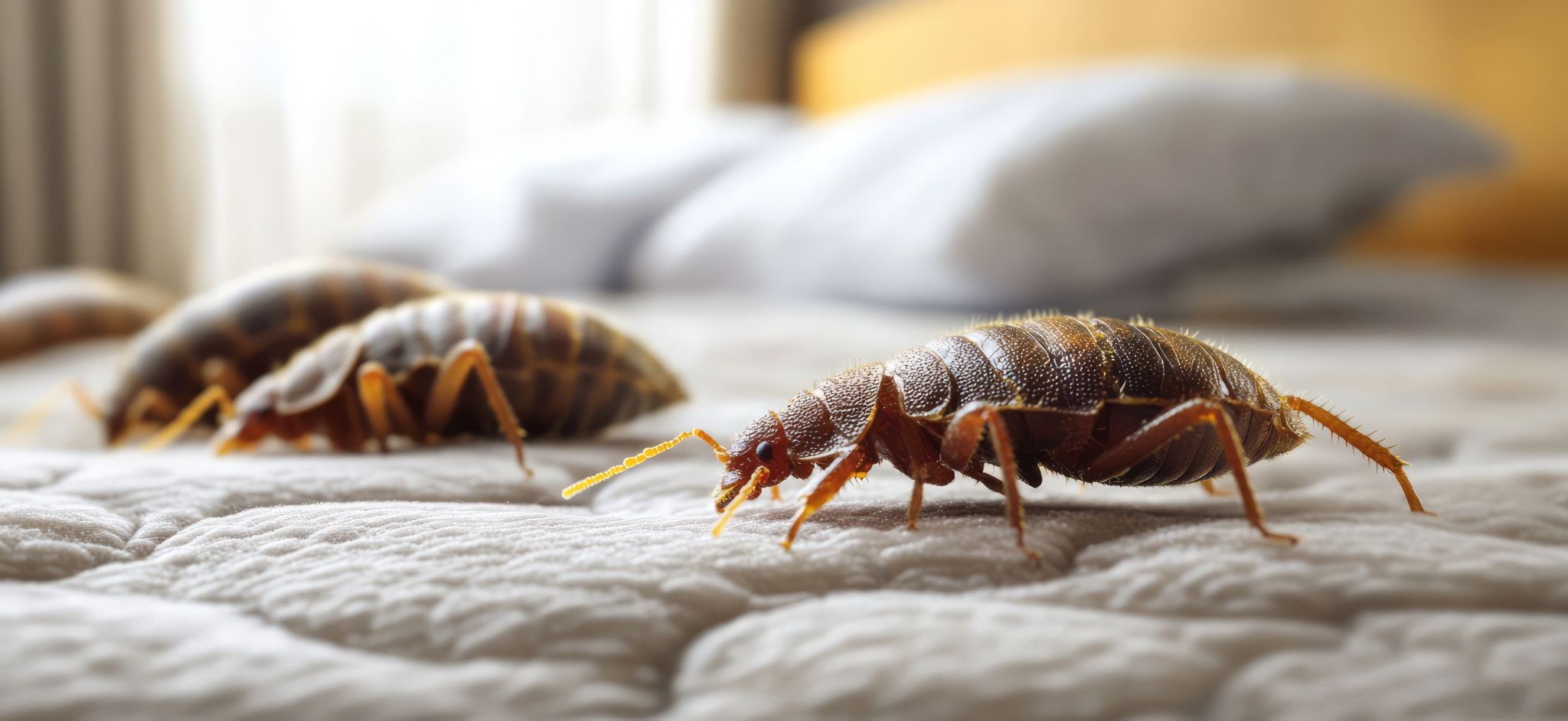
- Bed Bugs
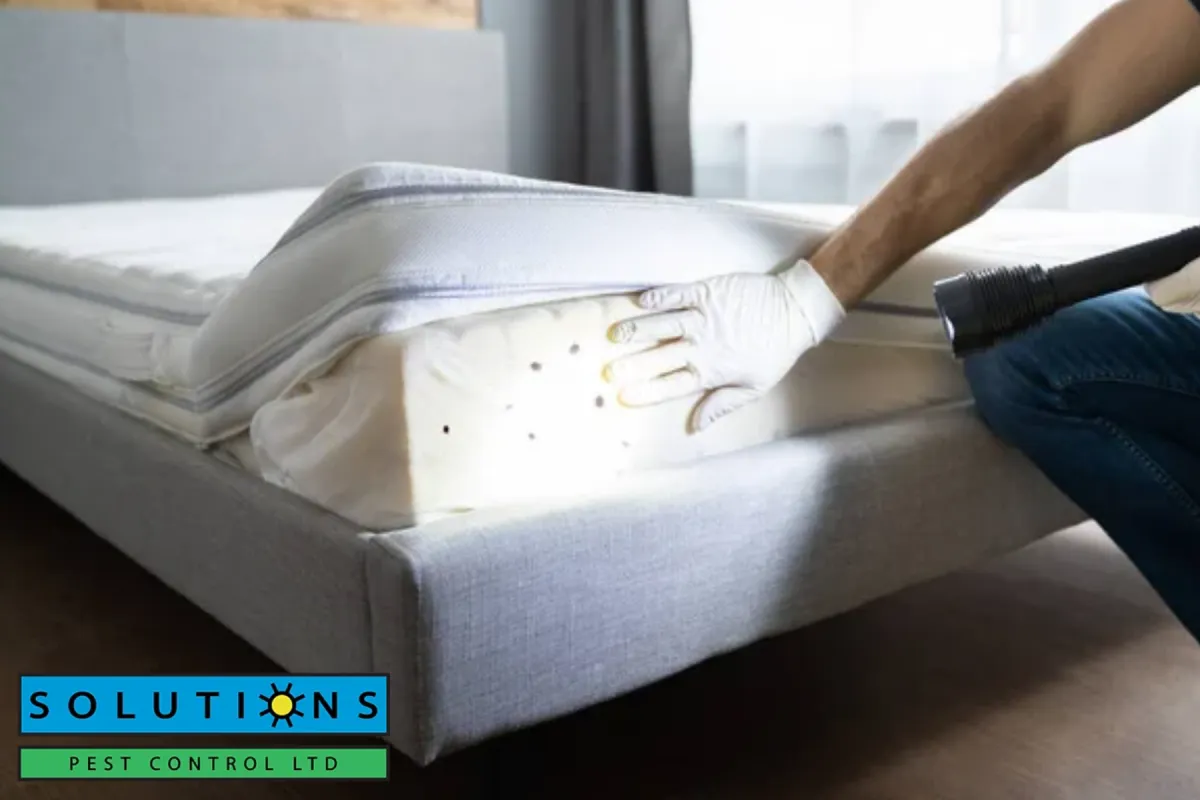
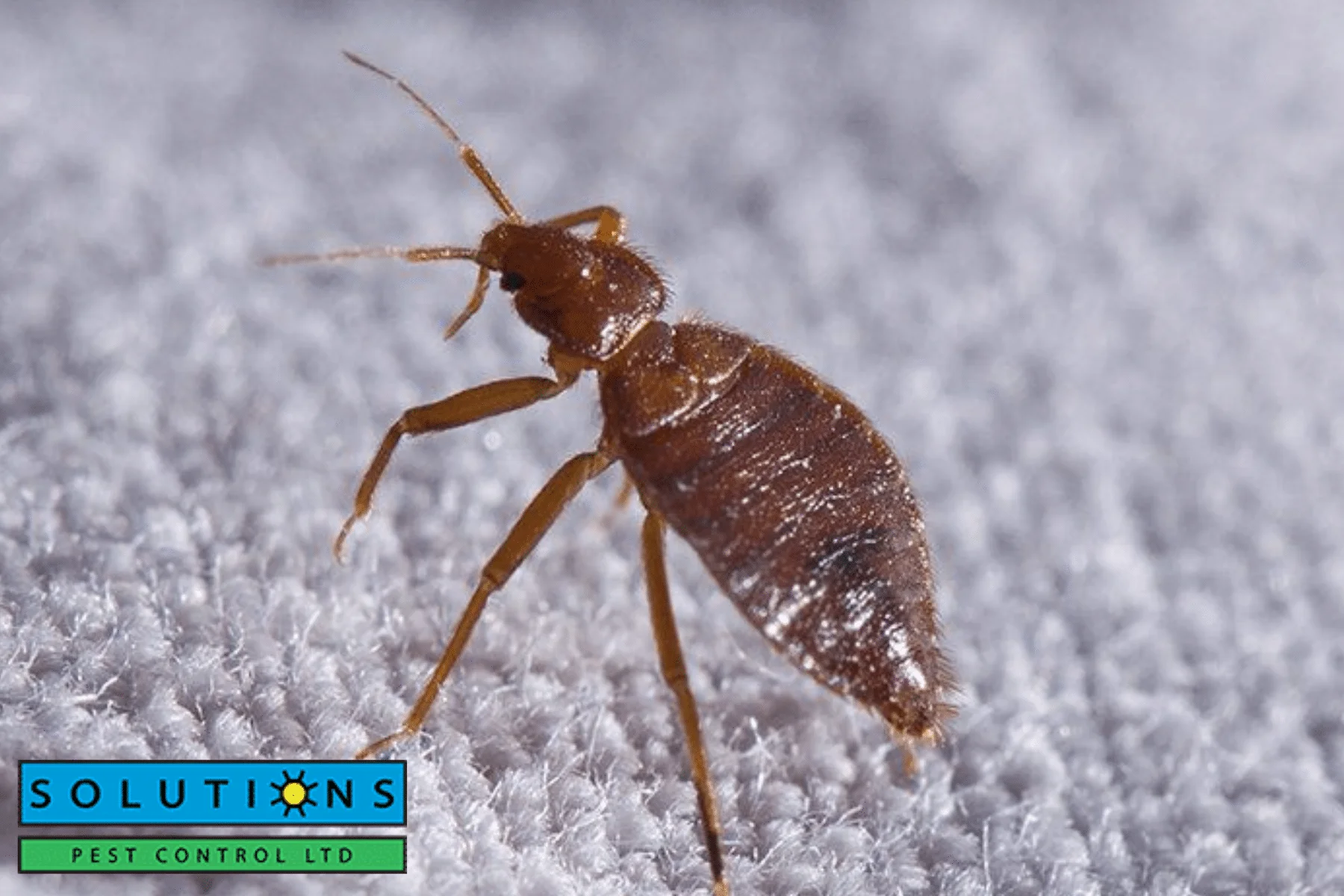
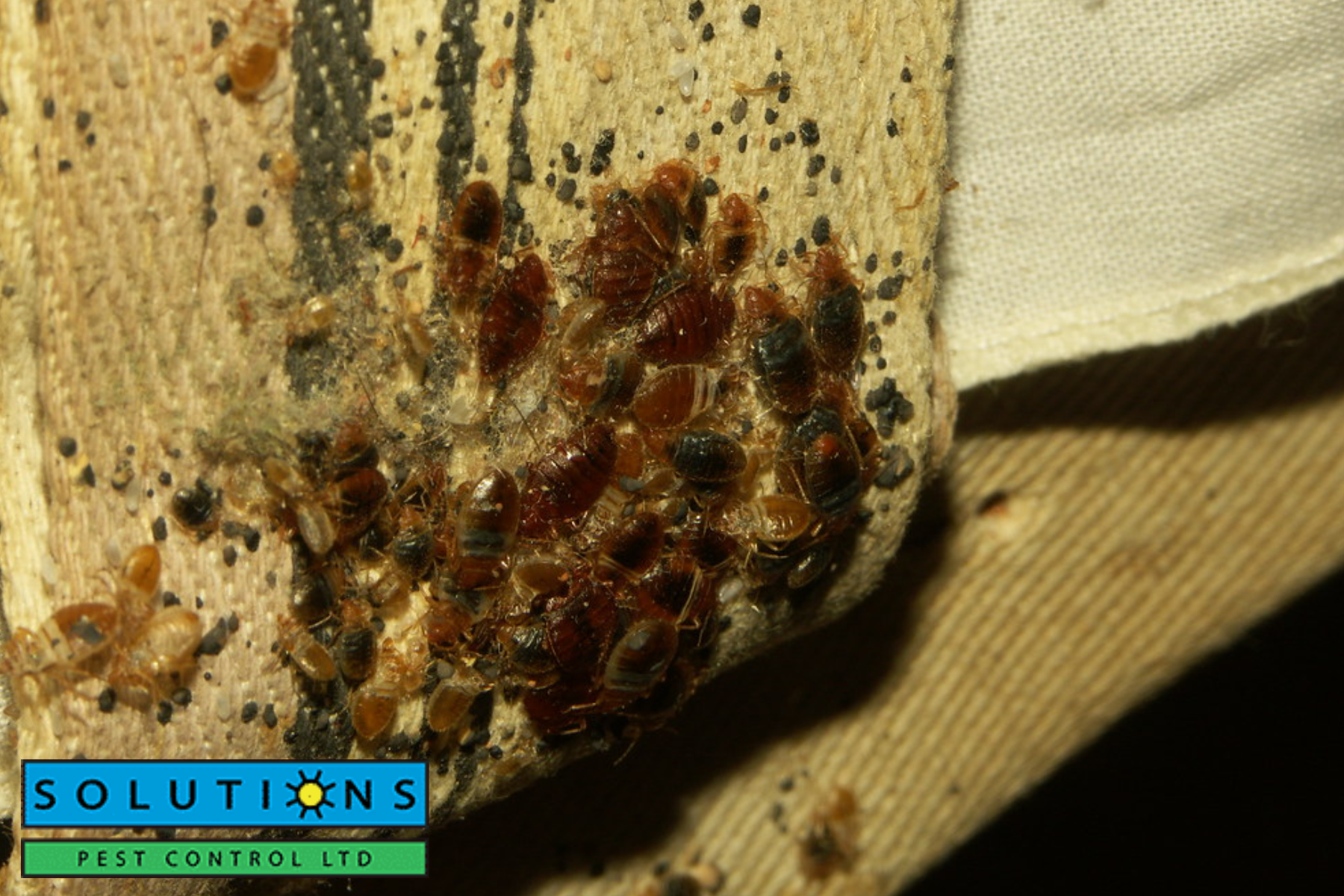
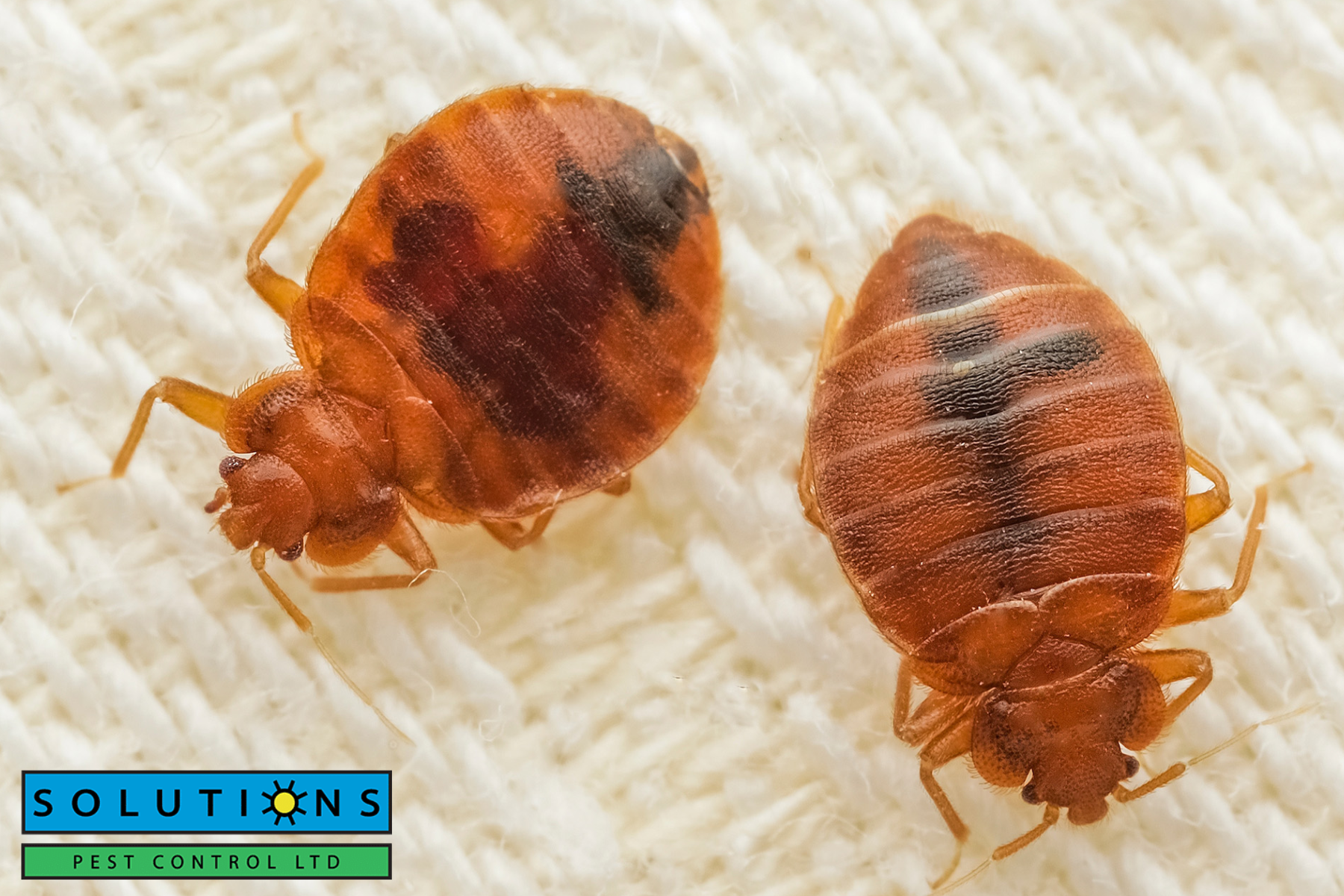
In some stages of development, bed bugs can resemble baby cockroaches. These small, brownish-red, flat-bodied bugs often hide in bedding or furniture. If you spot stains, bites, or shed skins, you might be facing a bed bug infestation rather than cockroaches.
- Water Bugs
The term “water bug” is often used for cockroaches, but true water bugs, such as the giant water bug, are aquatic and live in ponds or streams. Some cockroaches, like the American cockroach, are nicknamed “water bugs” because they thrive in damp environments.
- Wood-Boring Beetles
Wood-boring beetles are typically dark brown to black and may resemble cockroaches when crawling along wooden surfaces. These beetles are more likely to be found in attics or basements, and they pose a risk of damaging wood rather than posing health hazards.
- Earwigs
Earwigs have a flat, elongated body similar to cockroaches, but they are easily distinguished by the pincers at the end of their abdomen. Despite their intimidating appearance, earwigs aren’t harmful and prefer moist, dark environments.
How to Differentiate Them
To distinguish cockroaches from look-alike bugs, consider the following features:
- Movement: Cockroaches run quickly, while crickets jump.
- Body Shape: Cockroaches have long, oval bodies with flat backs; beetles are often rounder or more rigid.
- Color: Cockroaches are usually matte brown or black, while beetles and June bugs tend to be shinier.
- Habitat: Cockroaches prefer kitchens and bathrooms, while ground beetles and earwigs are usually found outdoors or in basements.
If you’re still unsure, pest control experts in Richmond, BC can help with proper identification and treatment.
Don’t Ignore Misidentified Bugs
Even if the insect isn’t a cockroach, it might still signal a larger issue. For example, crickets and earwigs can indicate moisture problems, and beetles may point to foundation cracks or other structural vulnerabilities. If you’re dealing with bed bugs, immediate intervention is necessary. Consult a Richmond pest control expert to properly address the situation.
DIY vs. Professional Help
Although online resources can aid in bug identification, it’s often difficult to tell the difference based on sight alone. Many insects change appearance as they mature, and treating them incorrectly can worsen the problem. For hard-to-spot pests like bed bugs, professional bed bug control is critical to effectively manage the situation and prevent further issues.
About Solutions Pest Control
At Solutions Pest Control, we help homeowners and businesses in and around the area identify and treat a range of pest problems. From cockroaches to bug-like pests, our team uses eco-friendly, effective pest management techniques to keep your home or business pest-free.
Need help identifying or controlling pests in your home? Contact us today for a thorough inspection and effective treatment!
FAQs: People Also Ask
1. What bugs look like cockroaches but aren’t?
Common pests mistaken for cockroaches include crickets, June bugs, ground beetles, and bed bugs. They share similar shapes but differ in movement and appearance.
2. How can I tell if the bug in my home is a cockroach or something else?
Look at movement (cockroaches run, crickets jump), body shape (cockroaches are oval and flat), and color (cockroaches are matte brown or black).
3. What should I do if I find bugs that look like cockroaches in my home?
Identify the bug first. If unsure, contact a professional to identify the pest and determine the appropriate treatment.
4. Are bugs that look like cockroaches harmful?
Most are harmless, but pests like bed bugs can pose health risks. Misidentified bugs may also indicate other issues, like moisture problems.
5. How do I prevent cockroaches and lookalike insects from entering my home?
Seal cracks, keep areas clean, and address moisture. Regular inspections and professional help can help prevent infestations.
Other related blogs:
How to Spot Baby Bed Bugs Early
Is It a Roach or Something Else? Common Bugs Mistaken for Cockroaches